Habitats
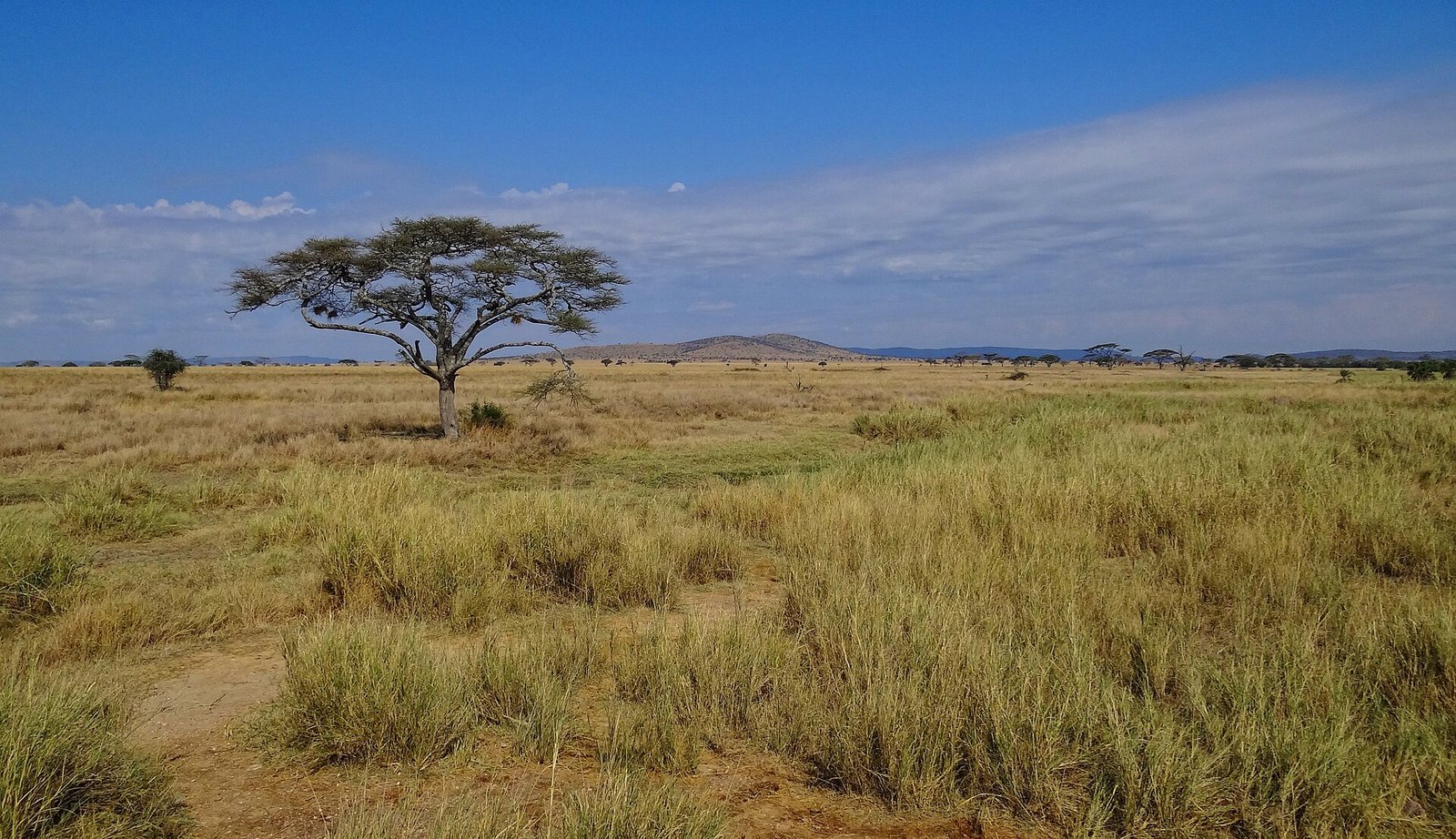
The Tanzanian park covers approximately 14,750 square kilometres: open grasslands, rocky outcrops known as kopjes, woodland, riverine vegetation and seasonal water sources. Wildlife moves in response to rainfall, food and water.

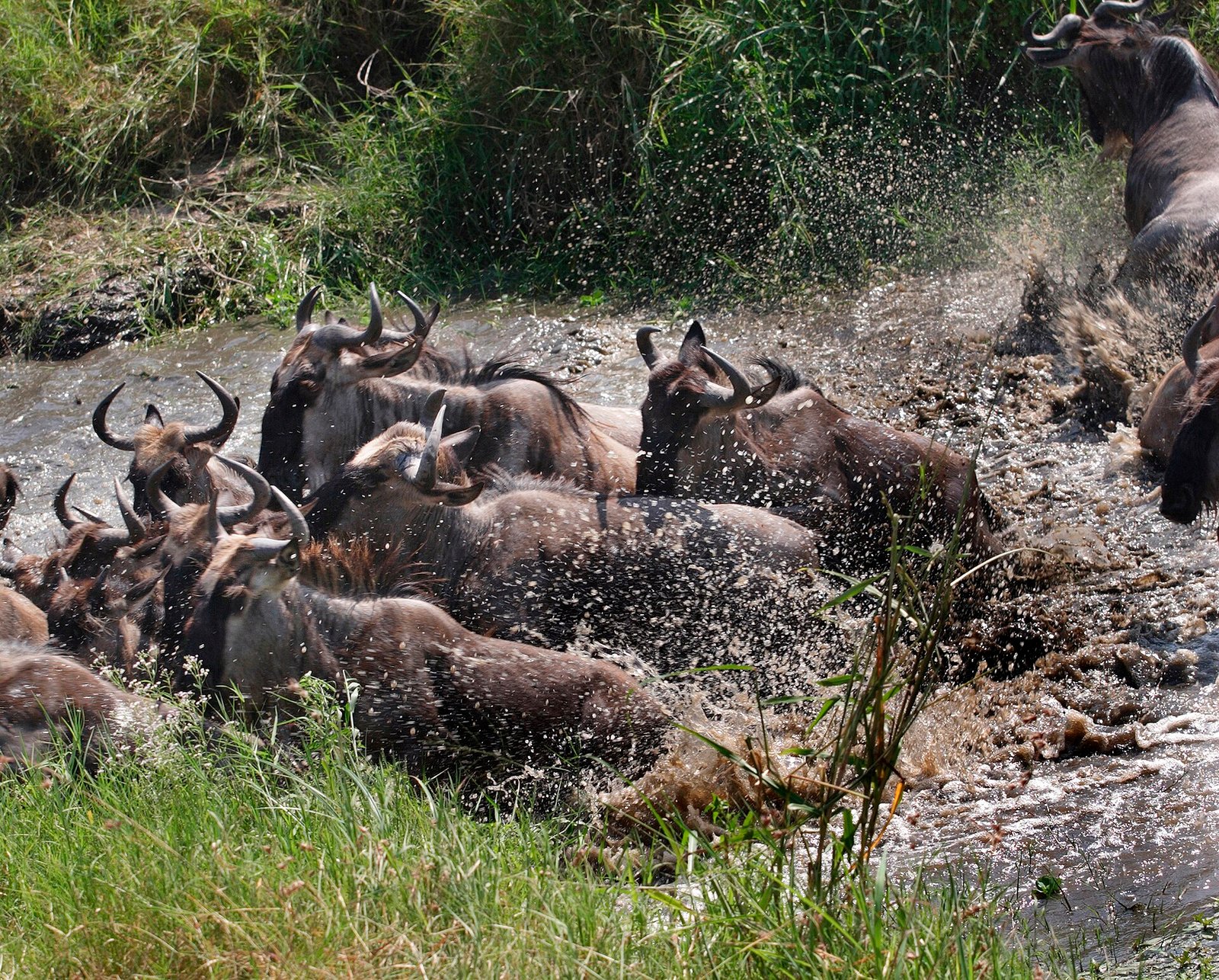
Great Wildebeest Migration
The Complete Tanzania Safari Guide
One of Africa’s most famous wildlife destinations, celebrated for its vast savannah plains, extraordinary animal diversity and the spectacular Great Wildebeest Migration in northern Tanzania.
Northern Tanzania, stretching north to the Kenyan border and joining Kenya's Maasai Mara.
INTRODUCTION
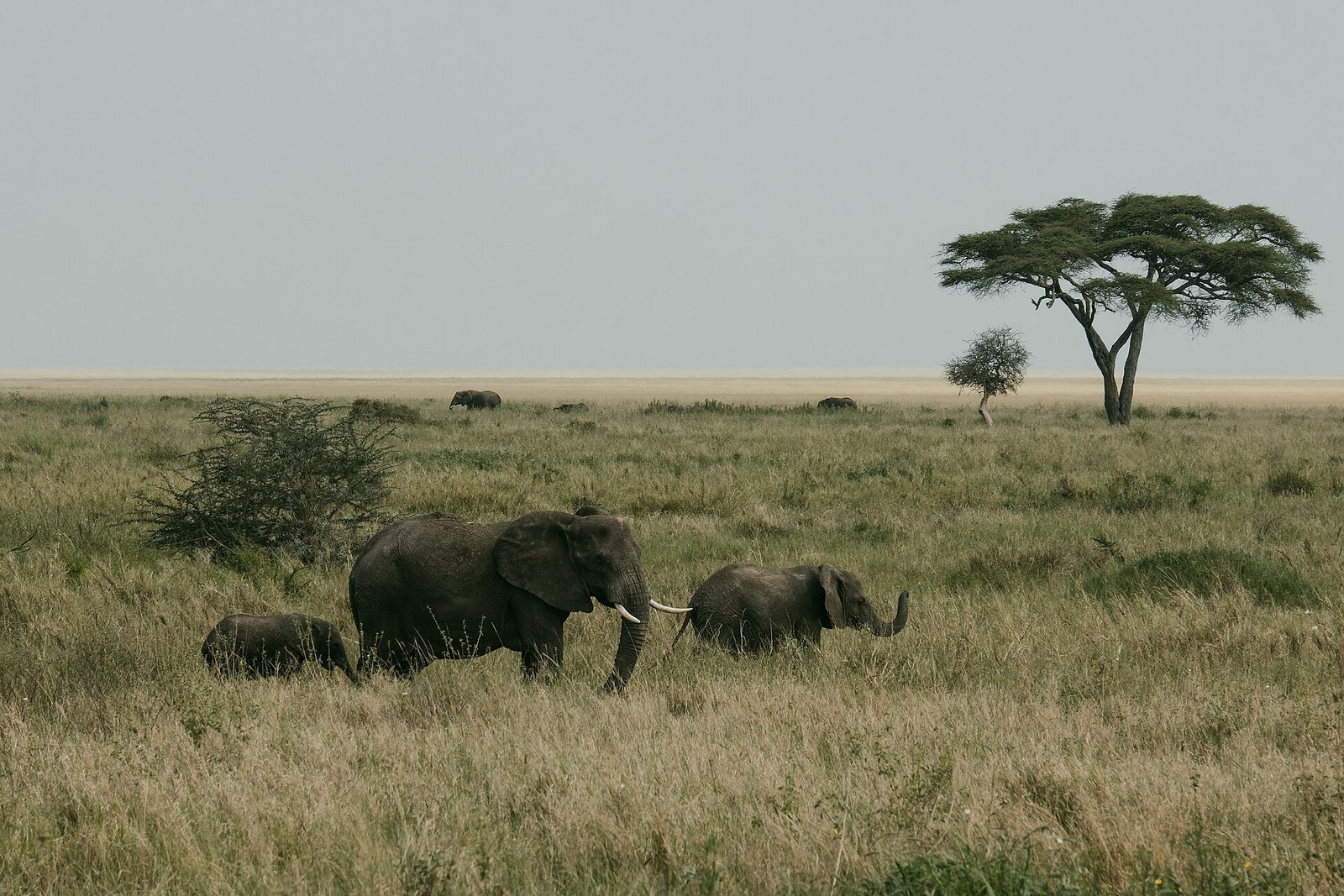
Visitors come to watch thousands of wildebeest cross the plains, to photograph big cats, to explore the African wilderness, or to see the landscapes change through the year. You can see lions, elephants, cheetahs, leopards, buffaloes, giraffes, zebras and many other species in their natural habitats.
Planning a successful Serengeti safari requires more than choosing a month. The park is enormous, wildlife movements change with rainfall, and different regions offer different experiences.
LOCATION
In northern Tanzania, within the Northern Safari Circuit. It forms part of the larger Serengeti–Mara ecosystem, which extends into Kenya’s Maasai Mara region.
The Tanzanian park covers approximately 14,750 square kilometres: open grasslands, rocky outcrops known as kopjes, woodland, riverine vegetation and seasonal water sources. Wildlife moves in response to rainfall, food and water.
Most travellers begin in Arusha, a major tourism hub. Road journeys can take several hours and may be combined with other destinations.
A scheduled or charter flight to a suitable airstrip reduces travel time but adds to the budget and may have baggage restrictions.
Choose your route carefully. The best route depends on your arrival airport, the region of the Serengeti you want and whether you plan to include Ngorongoro, Tarangire or other parks.

WHY IT’S FAMOUS
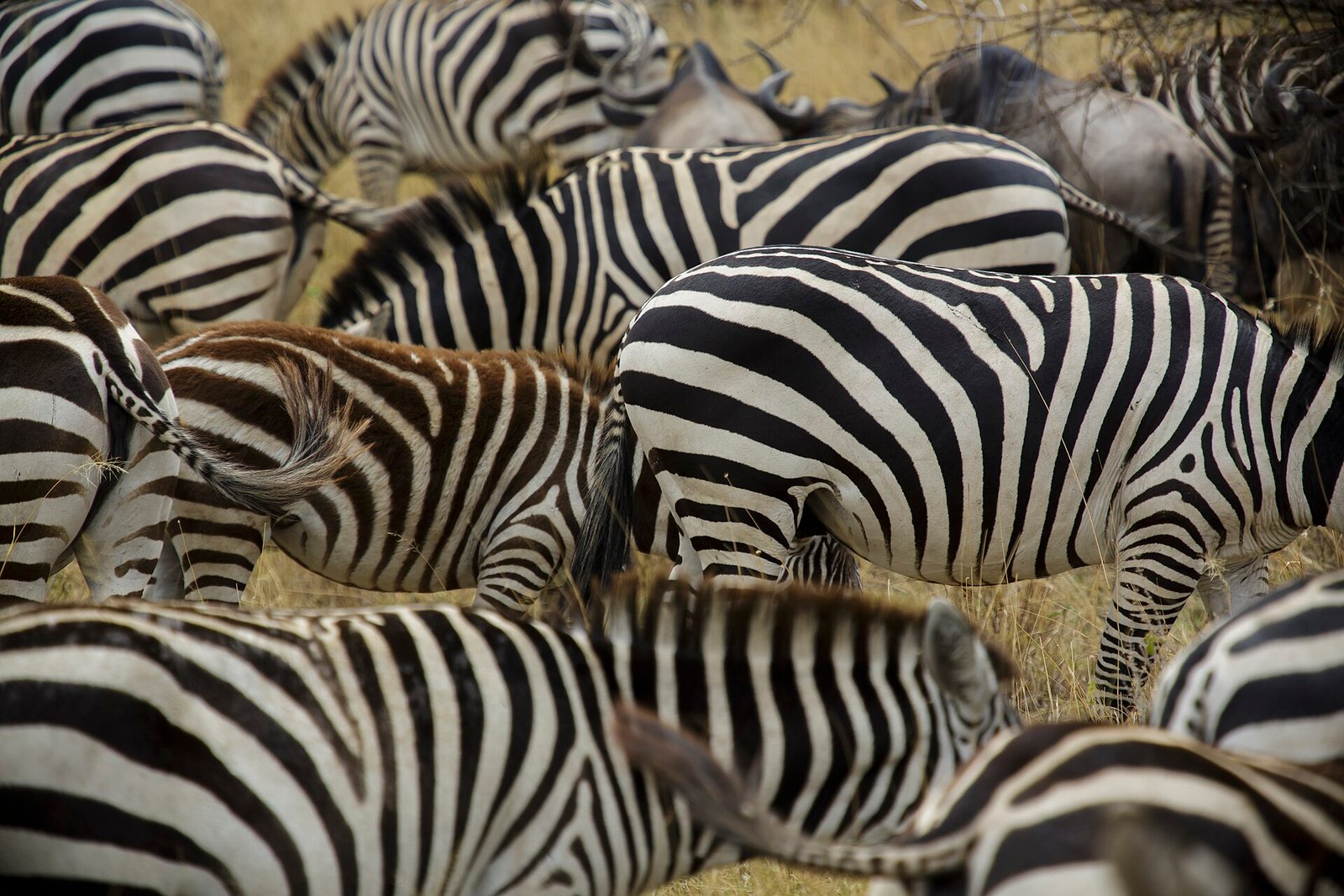
One of the world’s most remarkable wildlife movements. Wildebeest, with zebras and gazelles, move through the ecosystem following rainfall and fresh grazing: calving on the southern plains, travel through central and western areas, and seasonal movement towards the northern Serengeti and Kenya. Timing varies from year to year.
Lions, cheetahs, leopards and spotted hyenas. Open plains can offer cheetah opportunities, while wooded areas and river corridors may reveal more elusive animals. A knowledgeable guide can improve the experience by interpreting tracks and habitats.
Not a uniform grassland: open plains, rocky kopjes, woodlands and river systems offer different backdrops for wildlife photography throughout the year.
THE GREAT MIGRATION
A year-round movement across the wider ecosystem. The herds follow no exact timetable, so choose your destination by seasonal pattern rather than expecting an event on a guaranteed date.
The southern plains and nearby Ndutu are associated with calving, often peaking around late January and February depending on rainfall. Newborns attract predators, and the green landscapes suit photographers.
Ndutu is not entirely inside the park. Some areas fall within Ngorongoro Conservation Area, so confirm your camp’s location and fees.
Seronera is popular for resident wildlife and varied habitats. Migrating herds can also pass through, depending on conditions.
A practical option for fixed dates or a broader wildlife experience.
Relevant during seasonal movements towards the northwest. The Grumeti region has river systems that can feature in the journey.
Herd location changes with rainfall. Confirm current conditions.
Associated with movements near the Mara River. Crossings can be dramatic but are unpredictable: herds may wait, cross elsewhere or move on.
No responsible operator can guarantee a crossing on a given date.
Select the region first, then choose accommodation and activities that fit your dates.
BEST TIME TO VISIT
It can be visited all year. The best time depends on wildlife priorities, weather, budget and tolerance for busier periods.
Green landscapes and calving-season activity in the south.
Good for newborn wildlife and predator behaviour.
Lush scenery, with more challenging road conditions.
Check access, weather and camp operating dates.
Conditions often become drier, with herds moving through western or central areas.
Useful for wildlife and migration planning.
Generally drier, with popular safari months.
Consider demand, availability and northern migration movements.
Short rains may refresh the grasslands.
Can suit flexible travellers and birdwatchers.
Broad seasonal patterns, not a guarantee of weather or wildlife sightings at a specific camp.
June to October is popular because vegetation may be less dense in some areas and wildlife can be easier to spot around water. It is also busy in many parts of the park. If the Great Migration is your priority, the best region depends on where the herds are expected to be, not simply whether the month is dry.
Yes. The rains can bring lush scenery, dramatic skies and good photography. Conditions vary and some roads may become more challenging. Check weather, road access and camp operating arrangements before confirming plans.
WILDLIFE
The animals you see depend on habitat, season, time of day and how long you spend exploring.
Often seen resting, socialising or hunting in suitable habitats.
Elusive; may be spotted around trees, riverine vegetation and rocky areas.
Present in suitable habitats across the ecosystem.
Found in herds of varying sizes.
Black rhinos occur, but sightings are rare and should never be assumed.
No guarantees. A visit may offer several Big Five species, but no operator can guarantee all five on every safari.
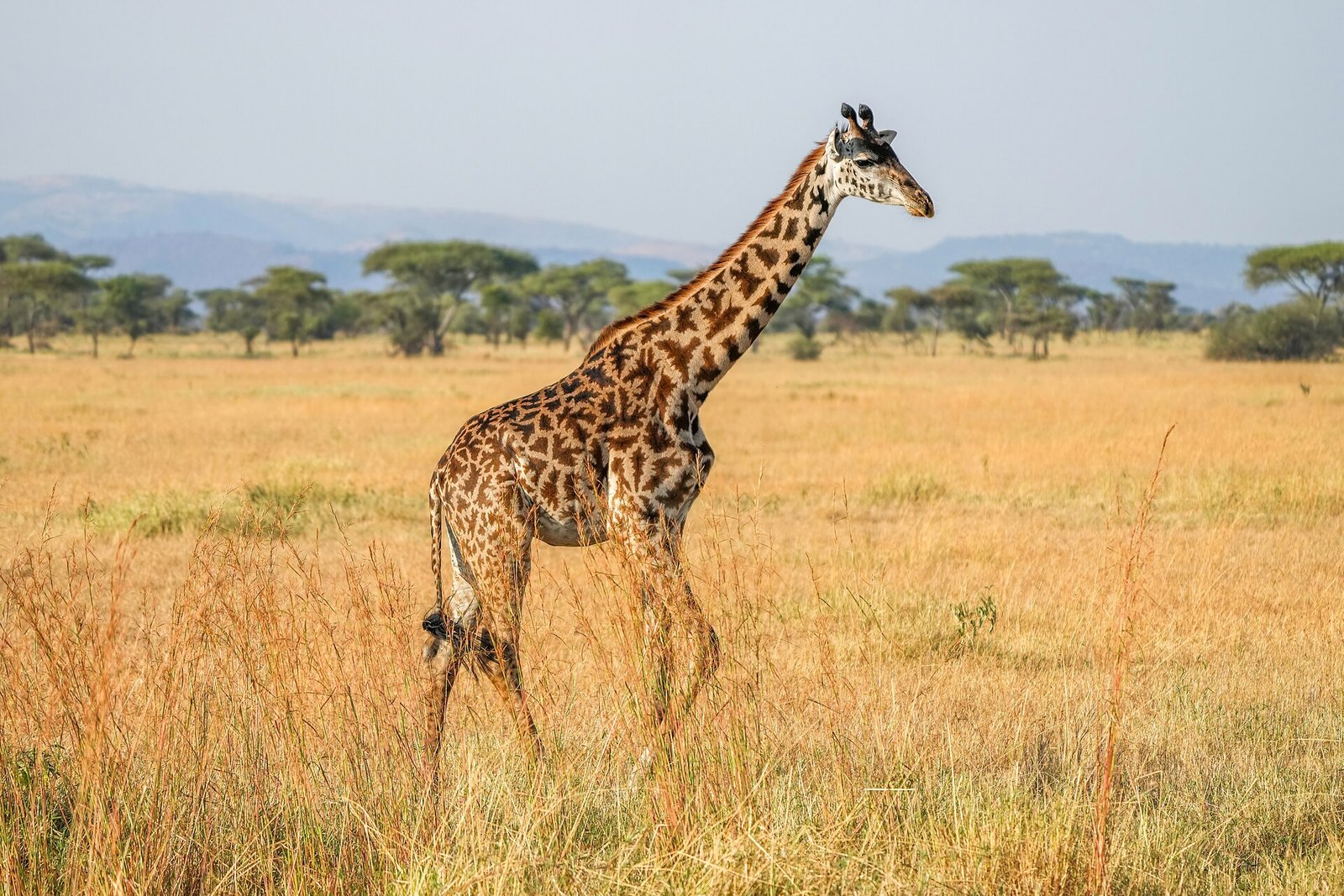
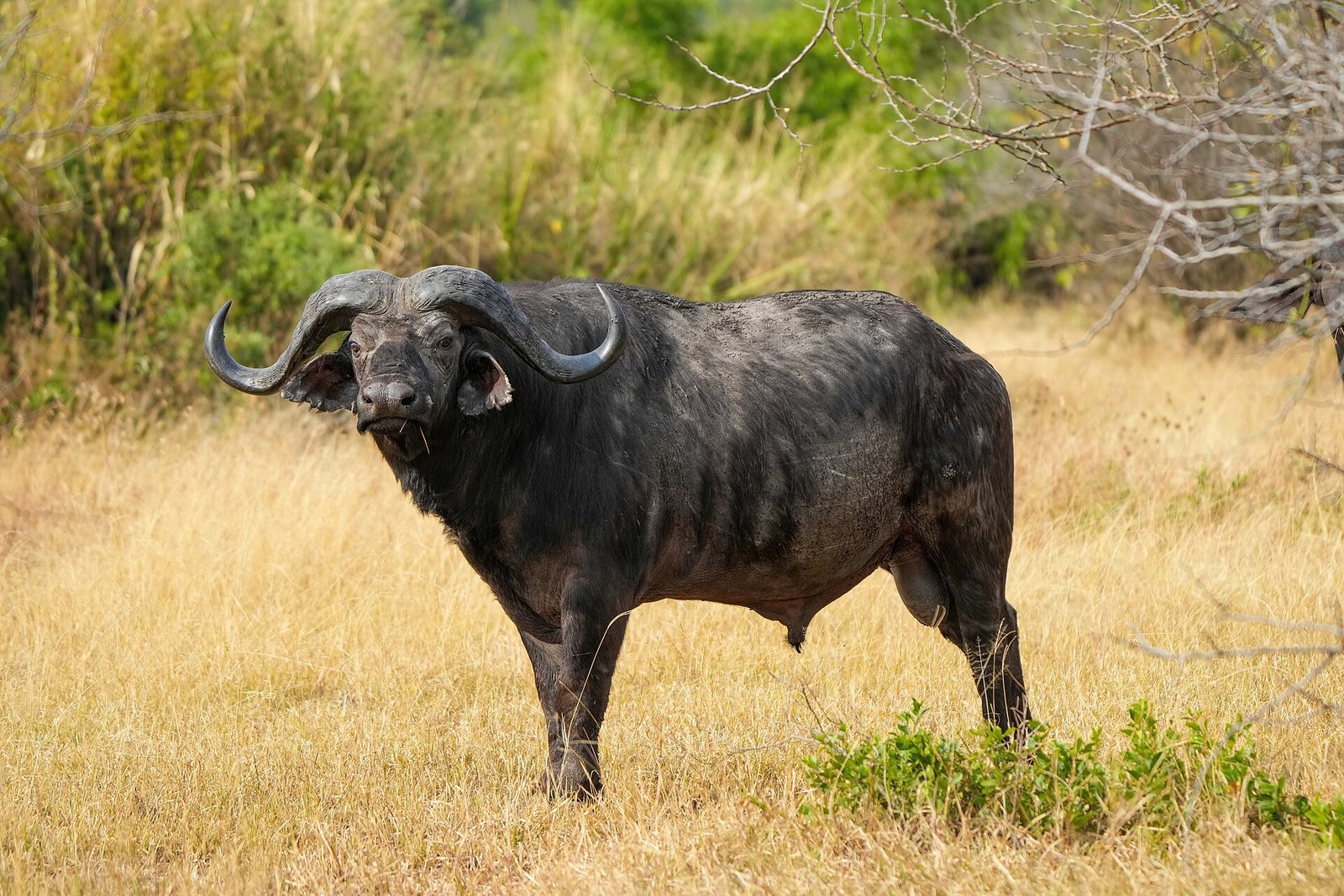
A diverse bird community, including raptors, ground-dwelling birds, waterbirds and species of grassland and woodland. Rewarding all year, though presence and activity vary by location and season.
Tell your guide beforehand so the itinerary reflects your interests.
REGIONS
Because the park is so large, choosing the right region is an essential part of planning.
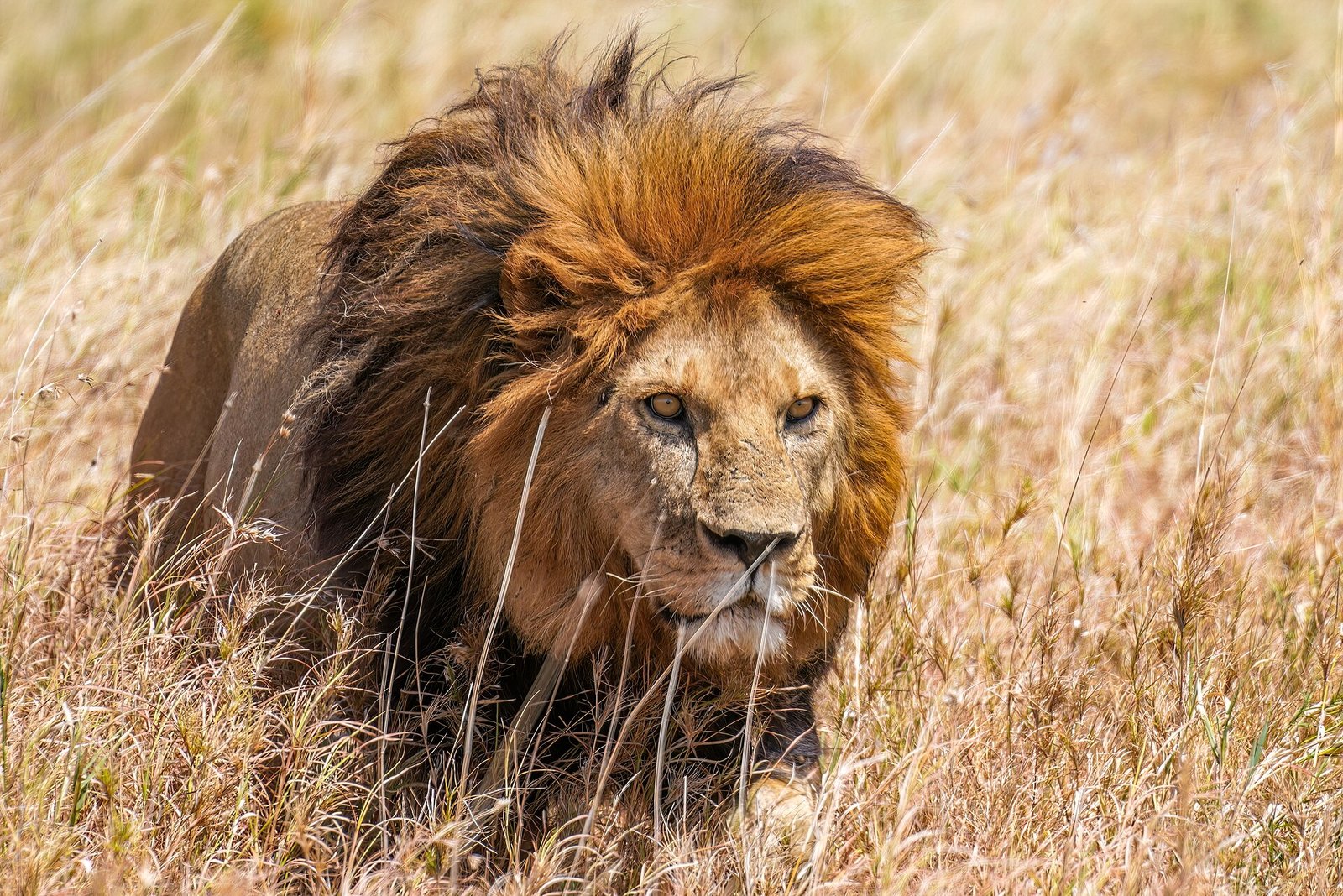
01Especially Seronera: varied habitats, resident wildlife and a range of accommodation. A popular choice for first-time visitors who want a broad experience without planning around one migration event.
Relevant for seasonal migration movements near the Mara River. May involve longer road journeys or extra flight costs. Choose accommodation by the likely location of the herds on your dates.
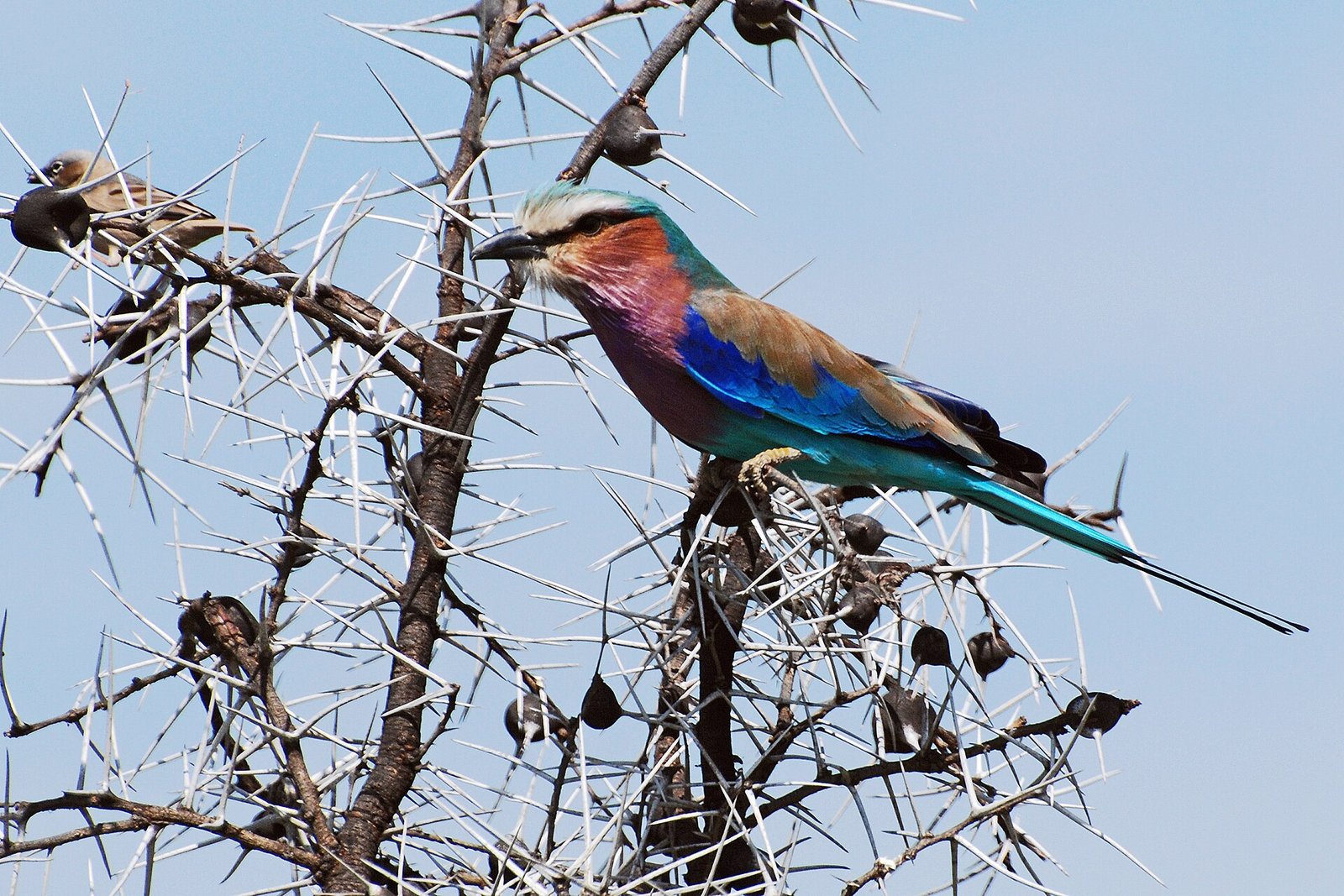
03River systems and habitats used during seasonal movements. Attractive when herds are passing through. Suitability depends on season, road access and preferred accommodation.
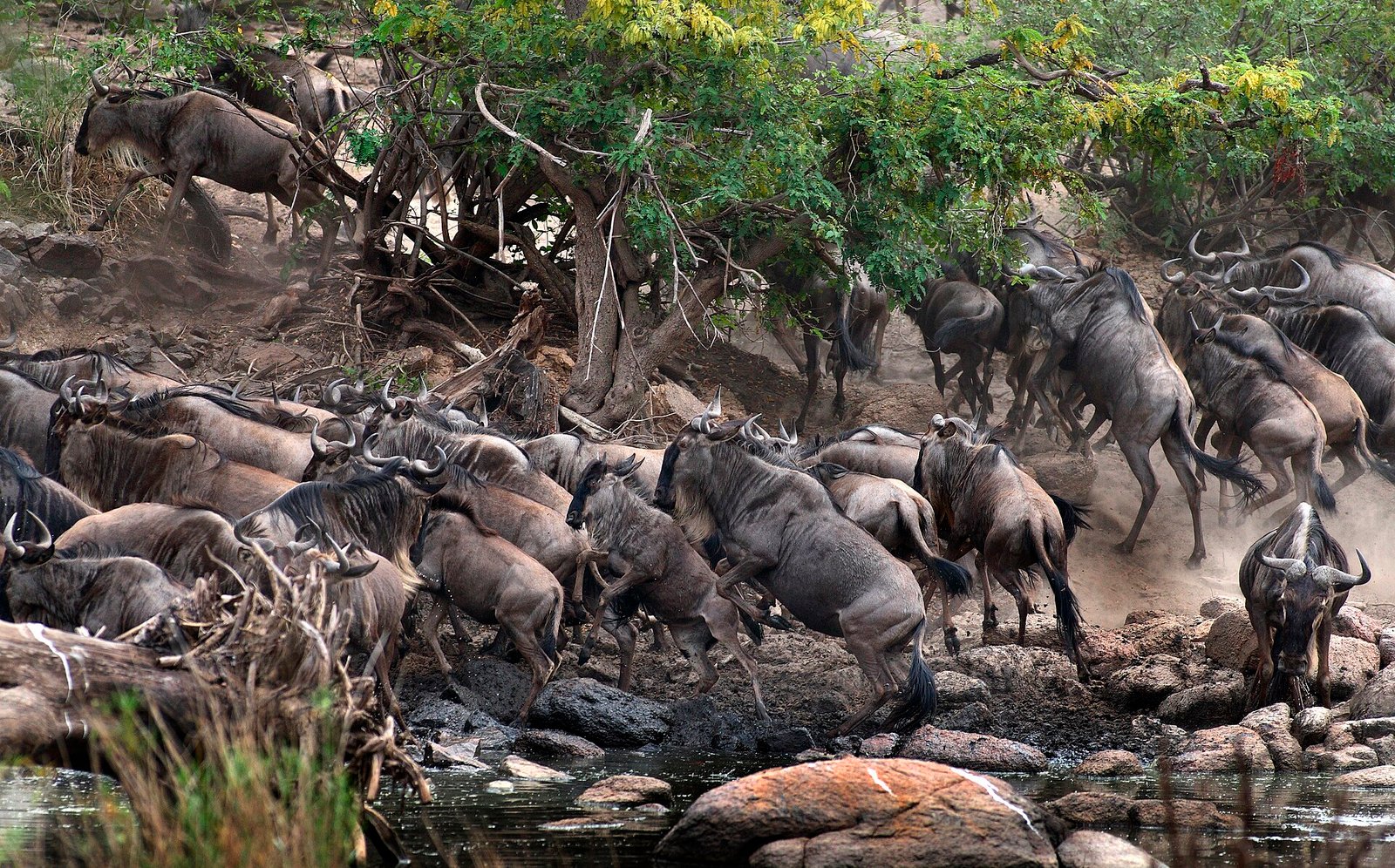
04Associated with the green season and calving. Check whether your camp is inside Serengeti National Park or in the neighbouring Ngorongoro Conservation Area.
SAFARI COST
There is no single price. A camping safari and a luxury fly-in safari have very different cost structures, and even similar trips differ by dates, vehicle arrangements and locations.
Entry and other charges depend on the rules, visitor category and dates. Verify current rates with Tanzania National Parks before booking.
Public campsites, permanent tented camps and luxury lodges offer different comfort levels and prices.
Private vehicles, shared safari arrangements and domestic flights have different costs.
Confirm whether meals, drinking water, guide services and game drives are included.
A hot-air balloon safari or other specialised activity may add substantially to the total.
High-demand periods and longer itineraries can increase the overall price.
Confirm whether the price is per person or per vehicle, shared or private, and whether it includes all the nights and activities you expect. Do not rely on old blog posts for current park fees.
PLAN YOUR TRIP
If your goal is the migration, the right region is often more important than adding extra nights in a location far from the herds.
Travel time can reduce the hours for wildlife viewing. Best considered as part of a carefully planned itinerary.
More time for game drives and different habitats. Works well for a meaningful Serengeti experience within a limited holiday.
Suits photography, wildlife behaviour or migration-focused travel, and makes exploring several regions easier if the route is planned efficiently.
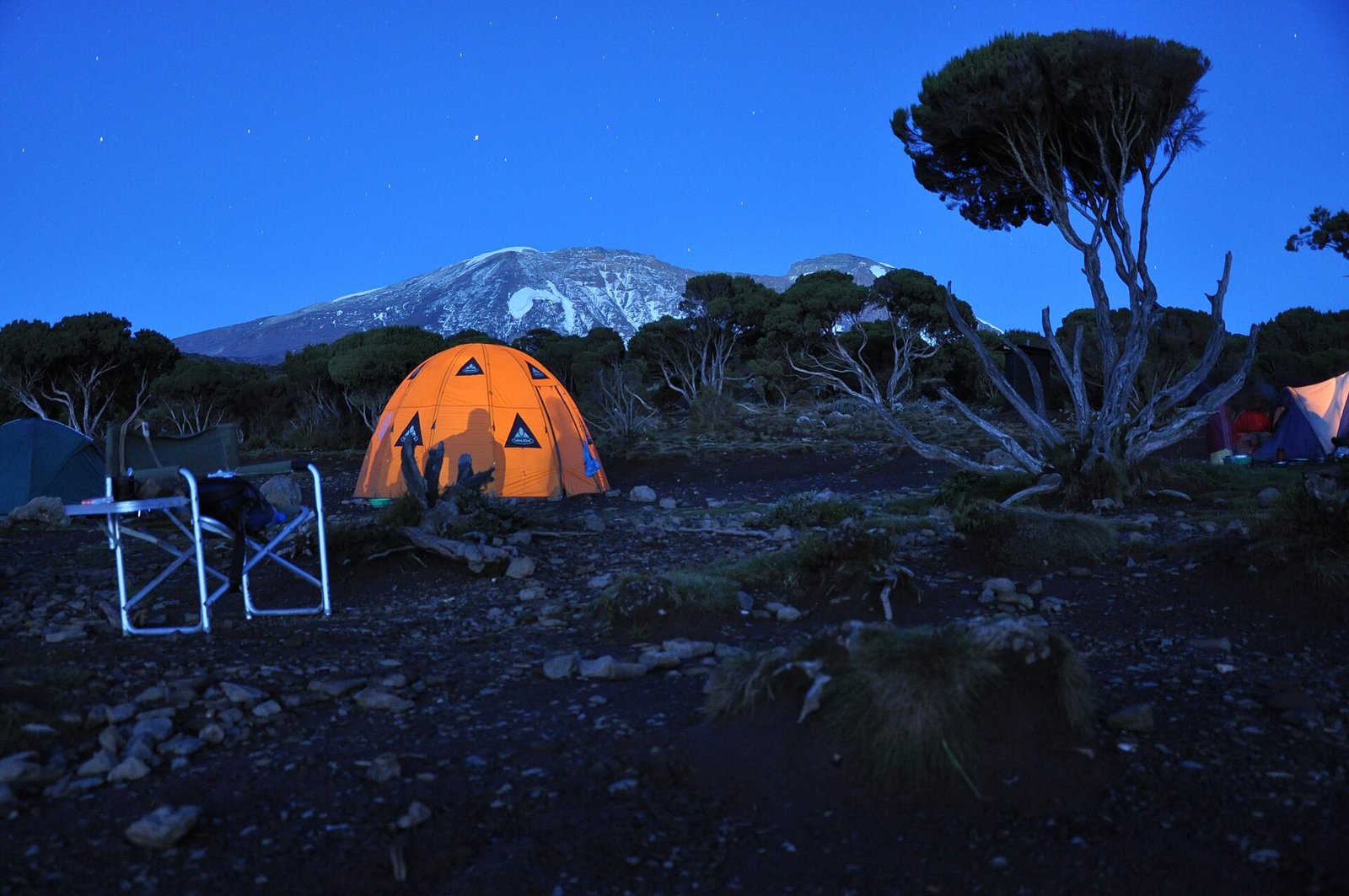
01A budget-conscious option for travellers comfortable with simpler facilities. Confirm equipment, meals, showers and other facilities provided.
Comfortable rooms or tents, meals and convenient access to game-drive areas. Camp location matters most when your stay is short.
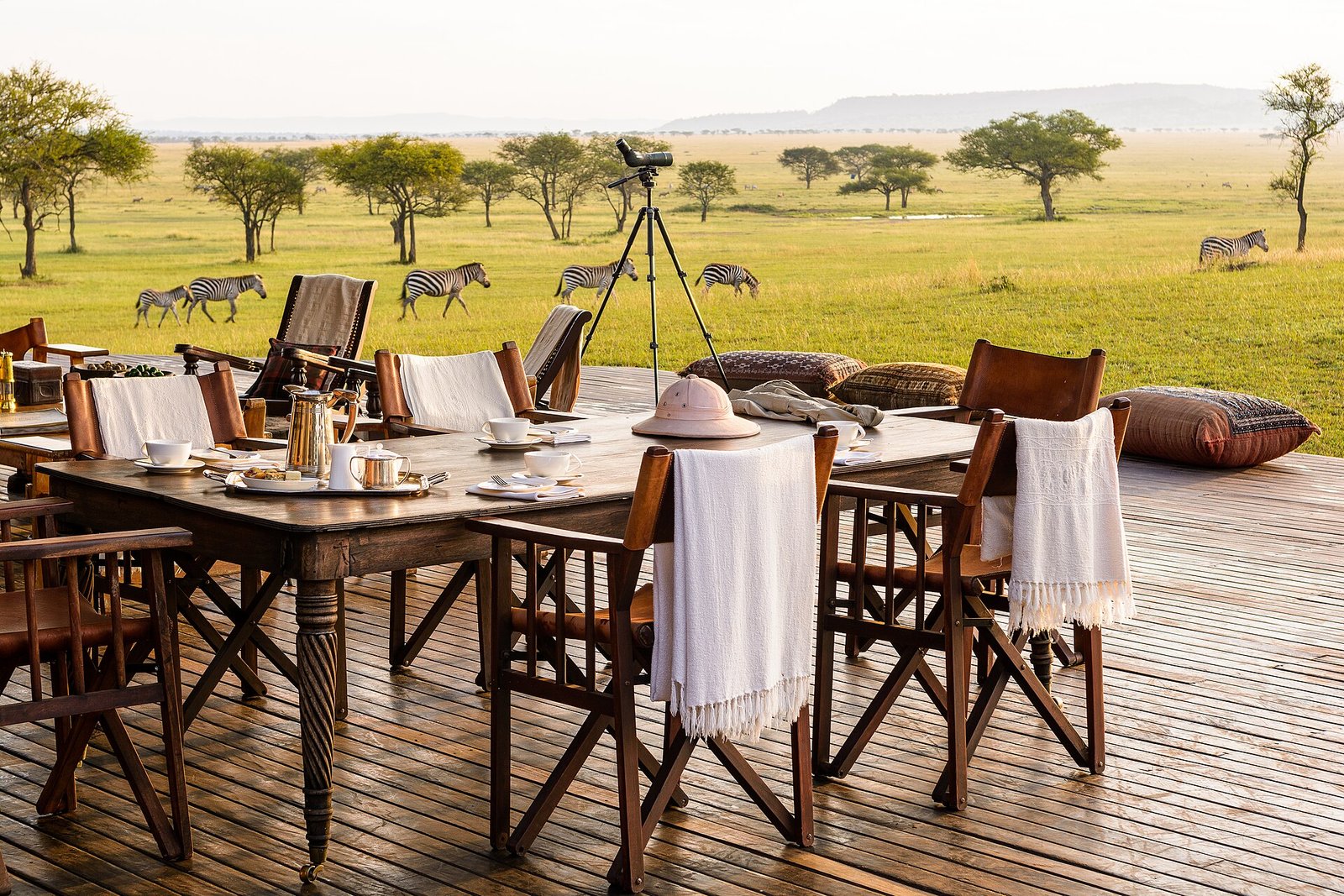
03Spacious tents, personalised service and premium dining. Some camps operate seasonally or serve specific wildlife-viewing regions.
Choose location before luxury. Ask where the camp is, which areas it serves, how long transfers take and whether it operates on your dates. For a migration-focused safari, location can matter more than the most expensive accommodation.
THINGS TO DO
All activities must follow park rules and guide instructions. Confirm that any specialised activity is permitted in the area you plan to visit.
The main activity for most visitors. Early mornings and late afternoons can be productive, depending on conditions and park rules. A knowledgeable guide helps locate animals and explain behaviour.
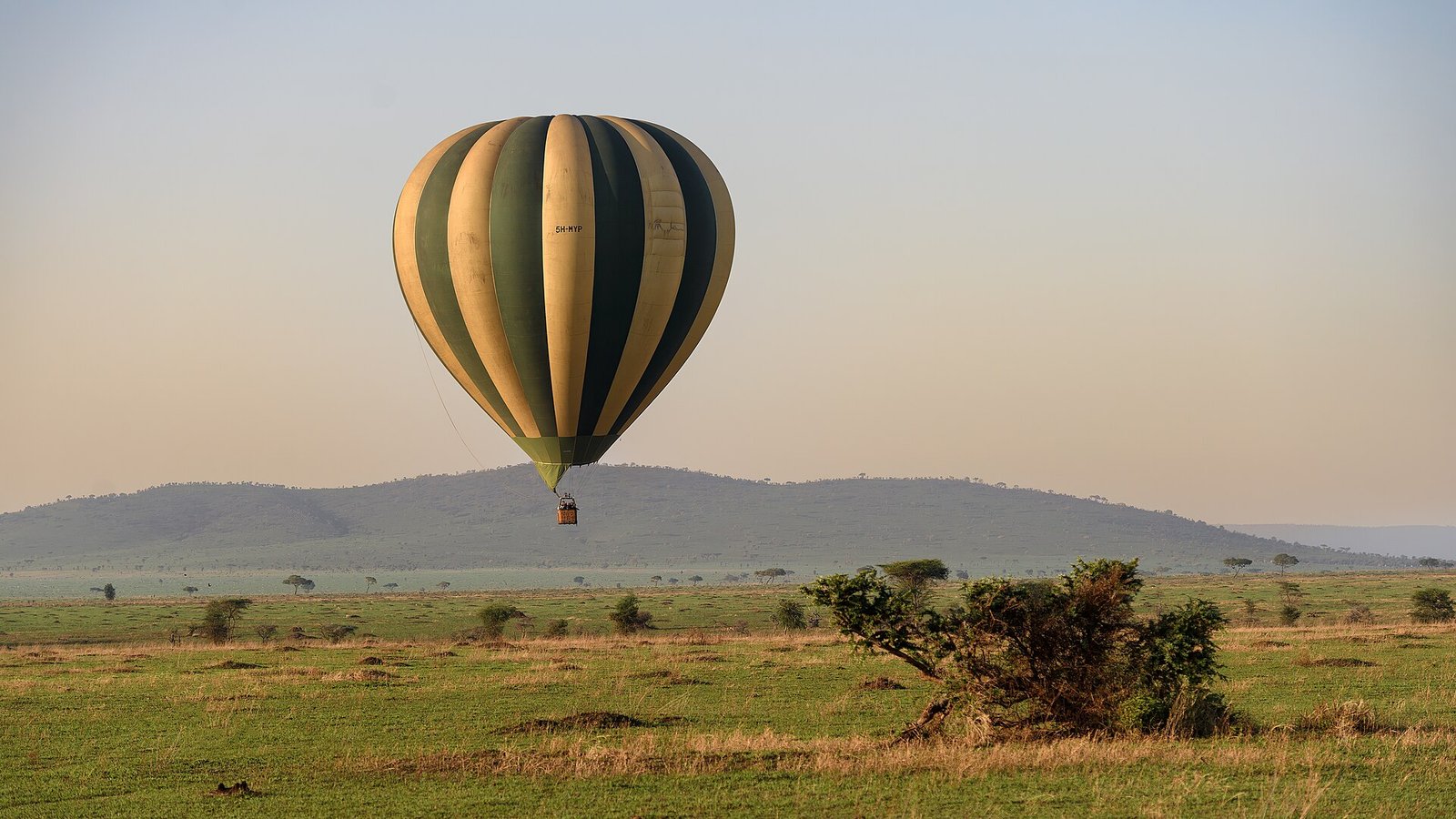
A different perspective on the plains, usually around sunrise. Availability, launch locations, weather, age requirements and prices vary. Confirm arrangements before booking.
An excellent way to explore the park’s ecological diversity. Allow enough time and consider a guide with relevant experience.
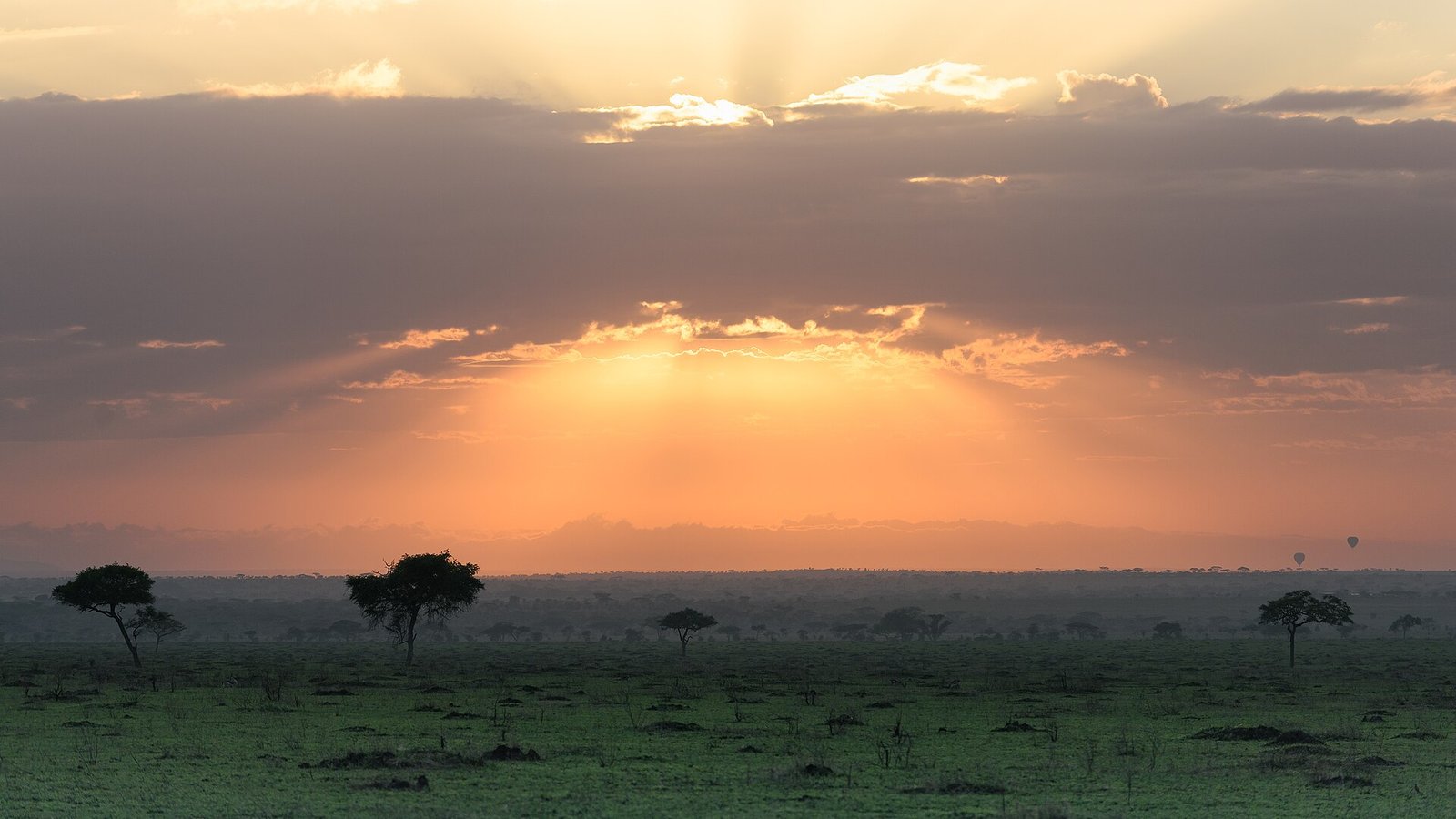
Open plains, rocky kopjes and riverine vegetation make striking backdrops. Bring suitable equipment, spare batteries and binoculars if available.

BEFORE YOU GO
A successful safari is not only about the number of animals seen, but about observing wildlife responsibly and supporting the ecosystem’s long-term conservation.
Taking a domestic flight? Check the airline’s baggage allowance, including soft-bag and total weight limits.
COMBINE YOUR TRIP
Allow enough time for travel and transfers so game drives are not rushed.
Expansive plains contrasted with the distinctive landscapes of Ngorongoro Crater. Plan travel time and accommodation carefully.
Read the guideElephants, baobab landscapes and seasonal wildlife concentrations add different habitats to a northern safari.
ExploreA different landscape that complements a northern Tanzania itinerary. The best route depends on days and priorities.
ExploreA wildlife safari followed by a beach holiday. Allow time for flights and transfers and confirm schedules.
ExploreFAQ
Quick answers about Serengeti National Park.
The Serengeti is best known for the Great Wildebeest Migration, abundant wildlife, large predator populations and expansive savannah landscapes.
There is no single best month for every traveller. January to March is often associated with calving activity in the southern ecosystem, while July to October can be important for migration viewing in the north. Conditions vary each year.
The migration is a continuous seasonal movement across the wider Serengeti-Mara ecosystem. However, the herds occupy different regions at different times, so the location you choose matters.
Prices depend on accommodation, transport, season, duration, activities and applicable fees. Request an itemised quotation and verify current official charges before booking.
Two to three days can provide a useful introduction, while four or more days may suit travellers who want more time for photography, wildlife viewing or migration-focused travel.
It can be suitable for families, but parents should consider driving times, accommodation policies, children's needs and activity restrictions. Confirm age requirements before booking specialised activities.
Your arrangements must comply with current park rules and access requirements. Confirm the latest visitor information with TANAPA and ensure that transport, permits and activities are properly arranged.
No. Serengeti National Park is in Tanzania, while Maasai Mara is in Kenya. They are part of the same wider ecosystem, and wildlife moves across the landscape according to seasonal conditions.
PLAN YOUR SAFARI
The Serengeti offers much more than the Great Migration. Its diverse wildlife, changing landscapes and year-round game viewing make it a destination worth planning carefully.
The right safari depends on your dates, budget, preferred accommodation and the wildlife experiences that matter most. Choose your region before selecting a camp, and allow time to explore without rushing between destinations.
Safari Best aims to provide useful Tanzania travel information based on reliable sources and practical trip-planning considerations. Wildlife movements, accommodation availability, regulations and park fees can change, so verify time-sensitive details with the relevant official authority or service provider before travelling.