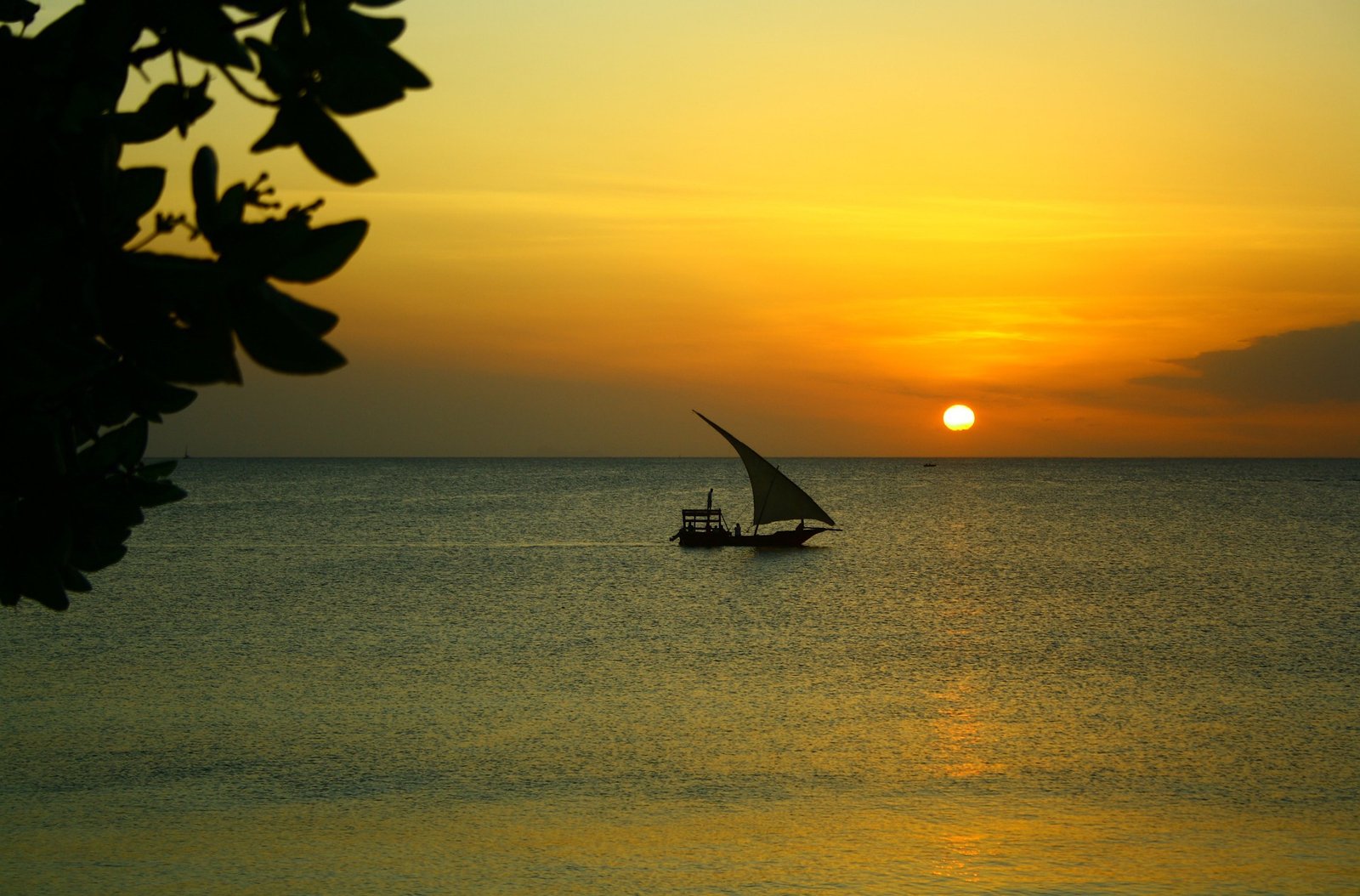
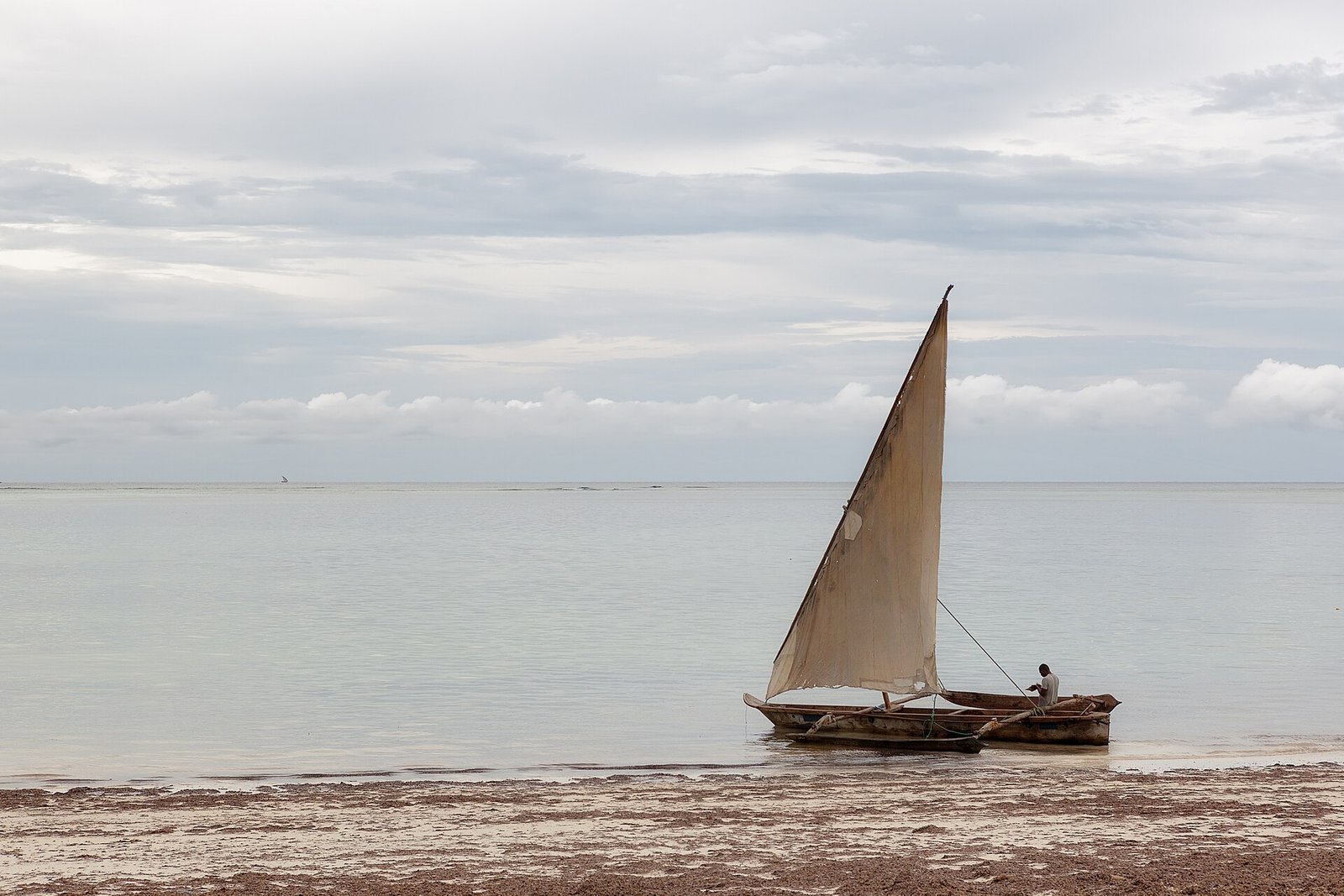
Traditional dhow sailing on turquoise water off Zanzibar

Indian Ocean archipelago

Zanzibar, Tanzania

The Complete Travel Guide

White-sand beaches, warm Indian Ocean waters, historic Stone Town and rich Swahili culture: a tropical archipelago of beach relaxation, marine adventures and centuries of trading history.

Off Tanzania’s coastIndian Ocean
Stone TownUNESCO World Heritage Site
4–7 daysCommon trip length
Jun–Oct, Jan–FebOften favourable periods
Where is it?Zanzibar archipelago, Tanzania

An island group in the Indian Ocean off the coast of mainland Tanzania, made up of Unguja and Pemba.

View on map

INTRODUCTION

More than a beach holiday

Zanzibar is one of Tanzania’s most celebrated destinations, combining beach relaxation, marine adventures, cultural experiences and centuries of Indian Ocean trading history. Whether you want to swim and snorkel, walk narrow historic streets, discover the spice-growing heritage or unwind at a beachfront resort, there is a style of trip for you.

It also works beautifully as an extension to a wildlife safari: after Serengeti, Ngorongoro or Tarangire, a few days by the sea make a welcome change of scenery.

At a glance

  1. Location: Indian Ocean, off the coast of mainland Tanzania.
  2. Main islands: Unguja (commonly called Zanzibar Island) and Pemba.
  3. Historic centre: Stone Town.
  4. Best known for: beaches, Swahili culture, spice tours, marine activities and historic architecture.
  5. Popular activities: snorkelling, scuba diving, dhow cruises, spice tours, cultural walks and forest visits.
  6. Best general periods: June to October and January to February often offer favourable conditions.
  7. Common trip length: four to seven days for a varied holiday.
  8. Arrival: Zanzibar’s international airport and ferries from mainland Tanzania.

Weather, sea conditions, activity availability and transport schedules vary. Check current arrangements before confirming your travel dates.

LOCATION & ACCESS

Where is Zanzibar, and how do you get there?

An archipelago in the Indian Ocean off the eastern coast of mainland Tanzania, part of the United Republic of Tanzania with its own semi-autonomous government.

The islands

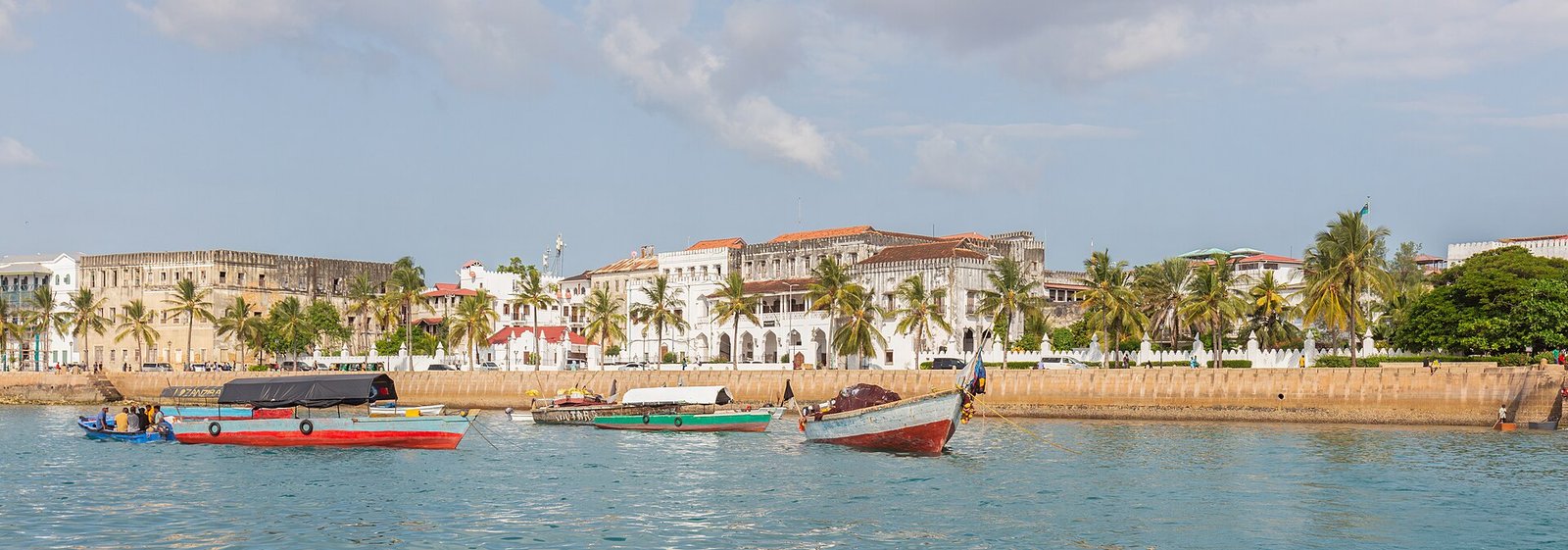
The two principal islands are Unguja, the main island most visitors call Zanzibar, and Pemba to the north, with green landscapes, coastal communities and marine tourism. Zanzibar City, on Unguja, is the main urban centre, and its historic district, Stone Town, is a UNESCO World Heritage Site.
By air

Abeid Amani Karume International Airport receives domestic and international flights. You may arrive directly or connect through other airports, depending on your airline and itinerary. From a safari, scheduled or charter flights may be available depending on departure location.

By ferry

Passenger ferries connect Zanzibar with Dar es Salaam on mainland Tanzania. Schedules, journey times, ticket classes and baggage arrangements depend on the operator.

Before you travel. Confirm your flight or ferry schedule, baggage allowance, transfer arrangements and current entry requirements.

Stone Town waterfront, Zanzibar
Stone TownUNESCO World Heritage Site

WHY IT’S FAMOUS

Beaches, history, spices and sea

Its appeal is the combination of natural beauty, history, culture and marine experiences.

  • White-sand beaches & turquoise water

    Pale sand, palm trees and warm tropical water. Some beaches have broad sand and easy swimming, while others see pronounced tides that expose coral flats and shallow lagoons. The north suits beach swimming and resorts; the east and south-east suit scenic coastlines, quieter surroundings and marine excursions.

  • Stone Town’s historic architecture

    Narrow streets, carved wooden doors, merchant houses, mosques and churches reflecting Swahili, African, Arab, Persian, Indian and European influences. Exploring on foot reveals shops, markets and courtyards that vehicles pass by.

  • Spice farms & the spice trade

    Often called the “Spice Island”. Guided tours introduce cloves, cinnamon, nutmeg, vanilla and other crops, and show how they grow, are harvested and used in cooking, and how they link to local livelihoods and trade history.

  • Coral reefs & marine life

    Reefs, tropical fish and other marine life support snorkelling and diving, though visibility, currents and tides vary. Choose responsible operators who explain safety, respect marine protected areas and avoid damaging coral.

  • Swahili culture & cuisine

    Centuries of contact between coastal East Africa and Indian Ocean communities. Try seafood, rice dishes, coconut curries and tropical fruits; respectful cultural experiences give insight beyond the resort areas.

BEST PLACES

Best places to visit in Zanzibar

Historic towns, beaches, forests, islands and coastal conservation areas. The best places depend on whether you prioritise relaxation, history, marine activities or nature.

Stone Town waterfront, Zanzibar01

Stone Town

Zanzibar’s most important cultural destination: narrow lanes, carved doors, old trading buildings, markets and landmarks. A guided walk explains the history and the influences behind it. Places to explore include the Old Fort, Forodhani Gardens, the former Sultan’s Palace (now associated with the Palace Museum), the Anglican Cathedral area, merchant houses and local markets. Some buildings may be under restoration or have restricted access, so confirm opening arrangements.

Best for: History, culture, architecture, photography, food

White sand beach and calm sea at Nungwi, Zanzibar02

Nungwi Beach

At the northern end of Unguja, one of Zanzibar’s best-known beach destinations, with varied accommodation, restaurants, beach activities and boat excursions. Swimming depends on tides, weather and the stretch of coast, so follow local safety guidance.

Best for: Beach holidays, swimming, resorts, sunsets, boat trips

03

Kendwa Beach

Also in the north, known for its sandy beach and resort atmosphere. Often chosen for relaxing by the ocean, beach dining and selected marine excursions. Often described as less affected by tides than some eastern beaches, but conditions still vary, so check the sea before swimming.

Best for: Relaxation, couples, resort holidays, sunsets

04

Paje Beach

On the south-east coast, with a long sandy shoreline and conditions that can attract kitesurfers. Wind and tides make it appealing to water-sports fans, but beginners should use reputable instructors and follow local safety rules.

Best for: Kitesurfing, beach walks, laid-back stays

05

Jambiani

A south-eastern coastal village with a village-oriented atmosphere, guesthouses, small hotels and restaurants. Visitors can learn about coastal livelihoods and walk the shoreline; tides strongly shape the beach and reef flats through the day.

Best for: Relaxed stays, cultural interaction, beach walks

06

Matemwe

On the north-east coast, a quieter setting with access to marine excursions. A useful option to relax away from busier resort areas; plan swimming and boat activities around the tides.

Best for: Couples, peaceful stays, snorkelling and diving where conditions permit

07

Jozani Forest

A protected forest on Unguja known for its habitats and Zanzibar red colobus monkeys. A guided visit introduces forest ecology, endemic wildlife and conservation. Animals are wild, so sightings cannot be guaranteed; stay on authorised trails and never feed or touch wildlife.

Best for: Nature lovers, families, wildlife beyond the beach

08

Prison Island (Changuu)

A short boat excursion from Stone Town, known for its history, coastal scenery and giant Aldabra tortoises. Commonly a half-day trip, depending on weather and boats. Choose responsible operators and follow instructions around the animals.

Best for: Short island excursions, history, wildlife

09

Mnemba area

Waters well known for snorkelling and scuba diving, usually organised through licensed or appropriately authorised local operators. Access restrictions, conservation rules and sea conditions can change, so confirm exactly where a trip goes and what is included before paying.

Best for: Snorkelling, diving, marine life

10

Pemba Island

The second major island, with a different feel from the heavily visited parts of Unguja: green landscapes, coastal communities and marine environments. Needs extra planning, so check flights, ferries and local transfers before building it into an itinerary.

Best for: Divers, nature lovers, quieter and longer island holidays

THINGS TO DO

Best things to do in Zanzibar

Follow local guidance, your guide’s instructions and conservation rules at all times.

Explore Stone Town with a local guide

A guided walk is one of the best ways to understand the history and architecture: carved doors, historic buildings, trading routes and religious landmarks. Dress respectfully at religious sites and ask permission before photographing people.

Take a spice farm tour

A hands-on introduction to cloves, cinnamon, nutmeg, vanilla and tropical fruits, sometimes with local food or demonstrations. Ask what the tour includes, how long it lasts and whether transport is provided.

Go snorkelling

See tropical fish and coral habitats in suitable locations. Choose a trip by sea conditions, swimming ability and the operator’s safety arrangements, and tell the operator if you are inexperienced. Never stand on coral, remove marine life or chase sea animals.

Try scuba diving

Opportunities for different experience levels, subject to conditions and suitable operators. Beginners may arrange introductory experiences with qualified professionals; certified divers should ask about sites matching their certification. Check equipment, safety procedures, insurance and medical fitness guidance.

Traditional dhow sailing on turquoise water off Zanzibar

Take a traditional dhow cruise

Experience the maritime heritage and coastal scenery, from sunset trips to sailing, swimming or meals, depending on operator and weather. Confirm departure point, duration, safety equipment and inclusions; trips can be adjusted for sea conditions.

Visit Jozani Forest

A guided walk adds a wildlife and conservation dimension to a beach holiday. Zanzibar red colobus sightings are not guaranteed; keep a respectful distance and never feed animals.

Sample Swahili cuisine

Local restaurants, markets and guided food experiences with seafood, rice, coconut, spices and seasonal produce. Communicate food preferences, allergies and dietary needs clearly.

Explore local markets

See local produce, spices, crafts and everyday commerce. Be respectful when photographing, agree prices before buying, and avoid wildlife products or items made from protected species.

Sunset over a Zanzibar beach

Enjoy a beach day

Swim where safe, read in the shade, take a coastal walk or eat near the sea. The best beach depends on your atmosphere, accommodation and tides; some suit swimming at certain times of day more than others.

Experience coastal conservation areas

Marine and coastal areas support coral reefs, seagrass, mangroves and other habitats. Some offer carefully managed ecotourism; check current access and choose operators who follow local conservation rules.

BEST TIME TO VISIT

Best time to visit Zanzibar

Zanzibar is warm and tropical all year. Seasons differ mainly in rainfall, humidity, sea conditions and visitor demand, so the best time depends on whether you prioritise beach weather, diving, lower prices, culture or a mix.

Jun – Oct

The main dry season

One of the most popular periods. Rainfall is often lower, with conditions favourable for beach days, sightseeing, comfortable Stone Town walks and snorkelling or diving (subject to sea conditions). Convenient with a northern safari.

Demand is high: book accommodation and popular activities early.

Jan – Feb

The short dry period

Often warm and sunny, though humidity can be high and weather varies. Attractive for swimming, beach relaxation and marine activities when sea conditions suit.

Prepare for tropical heat and drink water regularly.

Mar – May

The long rains

April is often among the wetter months. Rain can affect beach plans, road transfers and outdoor activities, and some providers adjust operations in heavy rain. May suit quieter conditions or potentially lower prices.

Weigh any savings against possible disruption.

Nov – Dec

The short rains

Commonly around November and possibly into December, with timing and intensity varying. Showers may alternate with sunshine, and culture, restaurants and suitable excursions remain enjoyable.

Keep plans flexible.

Which month is best? For many first-time visitors June to October is a strong choice for a beach holiday, and January and February can also appeal. There is no universally perfect month: check the forecast close to departure and confirm sea conditions with your activity operator.

HOW LONG

How many days do you need in Zanzibar?

It depends on whether you want a beach break, a cultural visit or a combination.

2–3 days

A short visit

Stone Town, a spice tour or island excursion, and some beach time. Best when Zanzibar is part of a larger Tanzania itinerary; consider travel time between Stone Town and distant beaches.

4–5 days

A good balance

Culture, beach relaxation and one or two organised excursions. A sample plan: Stone Town, a spice tour, a forest visit and a beach stay.

6–7 days

A relaxed week

A slower pace and time to explore different parts of the island: Stone Town, northern beaches, eastern villages and selected marine or nature activities.

8+ days

A longer stay

For several coastal areas, multiple dive days or adding Pemba. Allow time for transfers and avoid over-tight scheduling.

HOLIDAY COST

How much does a Zanzibar holiday cost?

It depends on the season, accommodation, meal plan, transport, activities and length of stay. A budget trip with guesthouses and local transport has a very different cost structure from a luxury beachfront holiday with private transfers and organised excursions.

Accommodation

Guesthouses, boutique hotels, mid-range resorts and luxury properties differ in comfort and service. Beachfront locations may cost more than properties farther inland.

Flights & ferries

Depend on departure city, route, airline, baggage allowance and booking date.

Transport

Airport transfers, private drivers, taxis, rental vehicles and local transport vary in price and convenience.

Food

Local establishments can cost less than eating every meal at a high-end resort. Prices vary by location and menu.

Activities

Spice tours, boat trips, snorkelling, diving, forest visits and cultural tours may carry separate fees.

Season

Prices and availability can change significantly in popular holiday periods.

To get an accurate budget, calculate

  • Return transport to Zanzibar
  • Airport or ferry transfers
  • Accommodation and meals
  • Planned activities
  • Local transport during the stay
  • Applicable taxes or mandatory charges
  • Travel insurance
  • Personal expenses and an emergency reserve

Ask accommodation providers and operators to state clearly what is included, and do not rely on old prices from unrelated websites. Insurance and entry requirements can also affect the total.

WHERE TO STAY

Where to stay in Zanzibar

The best area depends on your travel style: beach swimming, history, restaurants, marine activities or a quieter environment.

Stone Town waterfront, Zanzibar01

Stone Town

Ideal for history, architecture, markets and food, and easy to explore on foot, with selected boat and cultural excursions. Classic resort-style beach holidays may call for extra nights on the coast.

White sand beach and calm sea at Nungwi, Zanzibar02

Nungwi & Kendwa

The north coast offers beaches, accommodation choices, restaurants and marine excursions, suiting couples, families and a mix of relaxation and activities. Compare beach access, noise, transfers and services.

03

Paje & Jambiani

The south-east appeals for scenic beaches, water sports, village life and a laid-back feel. Tides shape the shoreline, so check it suits your swimming and water-sports plans.

04

Matemwe & the north-east

For a quieter stay with access to marine excursions. Check transport distances, tides, dining options and where your activities are before booking.

One hotel or several? For a short holiday, one well-located property reduces transfer time and simplifies logistics. For a longer stay, splitting between Stone Town and a beach gives a broader experience; account for transfer time and cost between locations.

GETTING AROUND

How to get around Zanzibar

Attractions and beach areas are spread across the island, so transport planning matters.

Private transfers

Convenient between the airport, Stone Town and beach resorts. Confirm the price, waiting arrangements, luggage capacity and whether it is private or shared.

Taxis

Available in major visitor areas. Agree the fare before starting if the price is not part of a clearly stated booking.

Rental cars

Flexible for independent exploring. Check driving requirements, insurance, vehicle condition and any local permit or documentation rules, and consider whether you are comfortable on unfamiliar roads.

Local public transport

Can be more economical but less convenient for visitors with limited time or luggage. Ask locally about routes, schedules and fares before relying on it.

Ferries & domestic flights

Connect Zanzibar with mainland Tanzania and other islands, depending on the route. Verify departure times, baggage limits and transfers with the provider.

PRACTICAL TIPS

Zanzibar travel requirements and tips

Requirements differ by nationality, purpose of travel and current government rules. Check the latest information before departure.

Entry documents

Confirm passport validity, visa or entry requirements and supporting documents through official government sources for your nationality. Do not rely solely on an accommodation provider or social-media post for immigration advice.

Mandatory travel insurance

Zanzibar has introduced a mandatory travel-insurance requirement for visitors under its own arrangements. Requirements, coverage, exemptions and details may change. Check the current official instructions via the Zanzibar government’s visitor information service, and do not assume a policy bought elsewhere automatically meets the local requirement.

Money & payments

Confirm which payment methods your accommodation and activity providers accept. Carry an appropriate mix of payment options, keep cash secure, and check exchange rates and fees first.

Clothing & cultural respect

Zanzibar has strong Swahili and Muslim traditions. Beachwear suits the beach and resort pool, but modest clothing is advisable in Stone Town, villages, markets and religious sites. Ask permission before photographing people.

Health & sun protection

The climate can be hot and humid. Drink water regularly, use sun protection and seek medical advice before travel if you have health concerns. Use reputable marine operators and follow their safety instructions.

Tides & swimming safety

Tides can substantially change how beaches look and what is accessible, especially on the east coast. Check tide information, observe warning signs, ask staff or guides about safe swimming spots, and never enter the water in unsafe conditions.

FOOD

Zanzibar food: what should you try?

The food reflects Swahili traditions and the island’s history of Indian Ocean trade.

Seafood

Menus may feature fish, prawns, octopus, squid and more, depending on location and season. Choose places that handle and store food well, and mention allergies before ordering.

Pilau & biryani

Well-known spiced rice dishes with different meats or other ingredients. Recipes vary by cook and establishment.

Urojo

Also called Zanzibar mix, a popular street-food dish that commonly combines a tangy sauce with potatoes, fritters and toppings, though versions differ. Ask about ingredients if you have dietary restrictions.

Tropical fruits

Depending on season: mangoes, coconuts, pineapples, bananas and more. Choose food and drinks from places with good hygiene.

Spices & tea

Cloves, cinnamon, cardamom and other spices define the culinary identity. A spice tour or cooking experience shows how they are used.

RESPONSIBLE TRAVEL

Responsible tourism in Zanzibar

The beaches, coral reefs, forests and cultural heritage are important assets. Responsible travel helps protect them.

  • Protect coral reefs. Do not stand on, break or remove coral; avoid touching marine animals and follow local conservation advice.
  • Choose responsible marine tours. Ask about safety, environmental practices and wildlife-interaction rules; avoid chasing, feeding or harassing animals.
  • Respect wildlife. At Jozani and other natural areas keep a safe distance, follow your guide and never feed animals.
  • Respect local communities. Dress appropriately away from resort beaches, ask before photographing people and respect customs.
  • Reduce waste. Carry reusable items, avoid littering and use refill services where safe.
  • Support local businesses. Consider locally owned accommodation, guides, restaurants and crafts, and ask how an experience is organised before paying.

ZANZIBAR OR SAFARI?

Zanzibar vs a Tanzania safari: which to choose?

They offer very different experiences, so the best choice depends on what you want from your holiday.

Zanzibar

For coastal relaxation, marine activities, historic architecture and Swahili culture. Suits couples, families, honeymooners and beach-focused holidays.

Serengeti

For vast savanna landscapes, predators and the Great Wildebeest Migration: the better fit when wildlife viewing and classic game drives come first.

Serengeti guide

Ngorongoro

A dramatic volcanic landscape with a variety of wildlife in the crater ecosystem, often combined with Serengeti and other northern parks.

Ngorongoro guide

Kilimanjaro

Africa’s highest mountain and a major trekking destination; a climb needs preparation, time and care with altitude.

Kilimanjaro guide

Combine them. For many international visitors, a wildlife safari plus Zanzibar offers the best variety: wild animals and dramatic inland landscapes, then beaches, marine experiences and cultural exploration.

SAMPLE ITINERARY

A suggested seven-day Zanzibar itinerary

Balances culture, nature and beach time. Adjust the order to your accommodation, dates and transport.

  1. Day 1

    Arrive in Zanzibar

    Arrive at the airport or ferry terminal and transfer to Stone Town or your chosen accommodation. Depending on arrival time, settle in and enjoy a relaxed evening.

  2. Day 2

    Explore Stone Town

    Join a guided walking tour of the historic streets, architecture, markets and landmarks. Enjoy local food and visit museums that are open during your stay.

  3. Day 3

    Spice tour and Jozani Forest

    Arrange a spice farm visit and a guided Jozani experience, subject to operating arrangements and travel time. Transfer to your beach accommodation if splitting your stay.

  4. Day 4

    Beach relaxation

    Swim where safe, walk the beach or enjoy your accommodation. Check tide and sea conditions before planning water activities.

  5. Day 5

    Snorkelling or a boat excursion

    Join a marine excursion such as snorkelling or a dhow cruise if weather and sea permit, with an operator who has proper safety equipment and clear information.

  6. Day 6

    Another coastal area

    Visit another beach or village, or enjoy a slower day at your resort. Avoid too many activities if they involve long road transfers.

  7. Day 7

    Departure

    Transfer to the airport or ferry terminal for your confirmed departure, allowing time for check-in, traffic and required procedures.

A planning example, not a fixed package. The best itinerary depends on your hotel location, seasonal conditions and interests.

FAQ

Frequently asked questions

Quick answers about Zanzibar.

Is Zanzibar worth visiting?

Yes. Zanzibar offers beaches, historic Stone Town, spice tours, marine activities and a distinctive Swahili cultural heritage. It can be visited as a standalone holiday or combined with a Tanzania safari.

What is Zanzibar famous for?

Zanzibar is particularly known for white-sand beaches, turquoise waters, Stone Town, spice-growing traditions, coral reefs and its history as an Indian Ocean trading centre.

What is the best month to visit Zanzibar?

June to October is generally a popular period for a beach holiday. January and February can also be favourable. The long rains usually occur around March to May, while November and December may bring short rains. Actual weather varies.

How many days do you need in Zanzibar?

Four to five days can provide a good introduction to Stone Town, the beaches and a few activities. Six to seven days allow a more relaxed visit and more opportunities to explore different areas.

Which part of Zanzibar has the best beaches?

The best area depends on your preferences. Nungwi and Kendwa are popular on the north coast, while Paje and Jambiani are known for their south-eastern coastal scenery and water-sports atmosphere. Matemwe offers a quieter north-eastern setting. Tides and swimming conditions vary by location.

Is Zanzibar suitable for a honeymoon?

Yes. Zanzibar offers beachfront accommodation, romantic dining, sunset cruises and opportunities for relaxation. Couples should compare hotel location, privacy, meal plans and included activities rather than relying on the word "luxury" alone.

Can you swim in Zanzibar?

Swimming is possible at many beaches, but conditions vary. Tides, currents, waves, reef flats and weather affect where and when swimming is safe. Follow local guidance and avoid entering the water in unsafe conditions.

Can Zanzibar be combined with a Serengeti safari?

Yes. Many travellers combine Serengeti with Zanzibar. Flights and transfers should be arranged according to the safari route, departure airport, accommodation and available schedules.

Is Zanzibar expensive?

Costs vary widely. Budget guesthouses, local dining and carefully selected activities can reduce expenses, while beachfront resorts, private transfers and organised excursions can increase the total. Travel season also affects accommodation rates.

Do I need travel insurance for Zanzibar?

You should confirm current official entry and insurance requirements before travelling. Zanzibar has a separate mandatory travel-insurance arrangement for visitors, and the applicable rules may change. Check official government guidance to determine what is required for your trip.

Is Stone Town worth visiting?

Yes. Stone Town is an important part of Zanzibar's history and cultural identity. A guided walking tour helps visitors understand its architecture, historic trading connections and daily life.

Can I visit Zanzibar without staying at a beach resort?

Yes. You can stay in Stone Town or other towns and arrange day trips to beaches, spice farms, forests and nearby islands. However, consider transfer times if you plan to visit the coast frequently.

How do you get to Zanzibar?

By air to Abeid Amani Karume International Airport, or by passenger ferry from Dar es Salaam. From a Tanzania safari, scheduled or charter flights may be available depending on departure location. Confirm schedules, baggage allowance and current entry requirements before travelling.

Share this guide

This guide provides general travel-planning information. Weather, marine conditions, activity availability, transport schedules and government requirements can change. Verify current information through official Zanzibar tourism and government sources and your selected service providers before travelling.