Lake Manyara National Park landscape beneath the Rift Valley escarpment, Lake Manyara National Park, Tanzania

Great Rift Valley

Lake Manyara National Park

The Complete Tanzania Safari Guide

One of Tanzania’s most diverse safari destinations: groundwater forest, open grasslands, an alkaline lake, seasonal wetlands and the dramatic escarpment of the Great Rift Valley.

648.7 km²Park area, incl. lake
Near Mto wa MbuNorthern Tanzania
~125 kmFrom Arusha, 2–2.5 hours
400+ birdsRecorded in the park
Where is it?Manyara Region, Tanzania

Northern Tanzania, beside Mto wa Mbu village at the foot of the Rift Valley escarpment.

View on map

INTRODUCTION

Landscapes that change within a short drive

Famous for tree-climbing lions, large elephant herds, flamingos and exceptional birdlife. Unlike the vast plains of the Serengeti, Manyara offers a safari where scenery shifts quickly: drive beneath tall forest trees, explore woodland, watch hippos near the water and look across the lake to the Rift Valley escarpment.

It is also a convenient stop on the northern circuit, visited on a day trip or combined with Tarangire, Ngorongoro and Serengeti.

At a glance

  1. Location: northern Tanzania, near Mto wa Mbu.
  2. Area: approximately 648.7 square kilometres, including the lake and surrounding habitats.
  3. Famous for: tree-climbing lions, elephants, flamingos and birdlife.
  4. Landscape: alkaline lake, groundwater forest, acacia woodland, wetlands and the Rift Valley escarpment.
  5. Activities: guided game drives, birdwatching and selected extras where available and authorised.
  6. Wildlife viewing: dry seasons can be favourable, particularly June to October.
  7. Recommended visit: one full day for a short itinerary; longer for birds and a slower pace.
  8. Nearby: Tarangire, Ngorongoro Conservation Area and Serengeti.

Wildlife, lake levels and bird concentrations change with rainfall and season. No particular animal or bird sighting is guaranteed.

LOCATION & ACCESS

Where is Lake Manyara National Park?

At the base of the western escarpment of the Great Rift Valley, close to Mto wa Mbu, as part of the northern safari circuit. Roughly 125 km from Arusha by road, typically two to two and a half hours in favourable conditions.

The lake

A shallow alkaline lake that occupies a substantial part of the park. Its size and shoreline change with water levels, influenced by rainfall and other conditions.

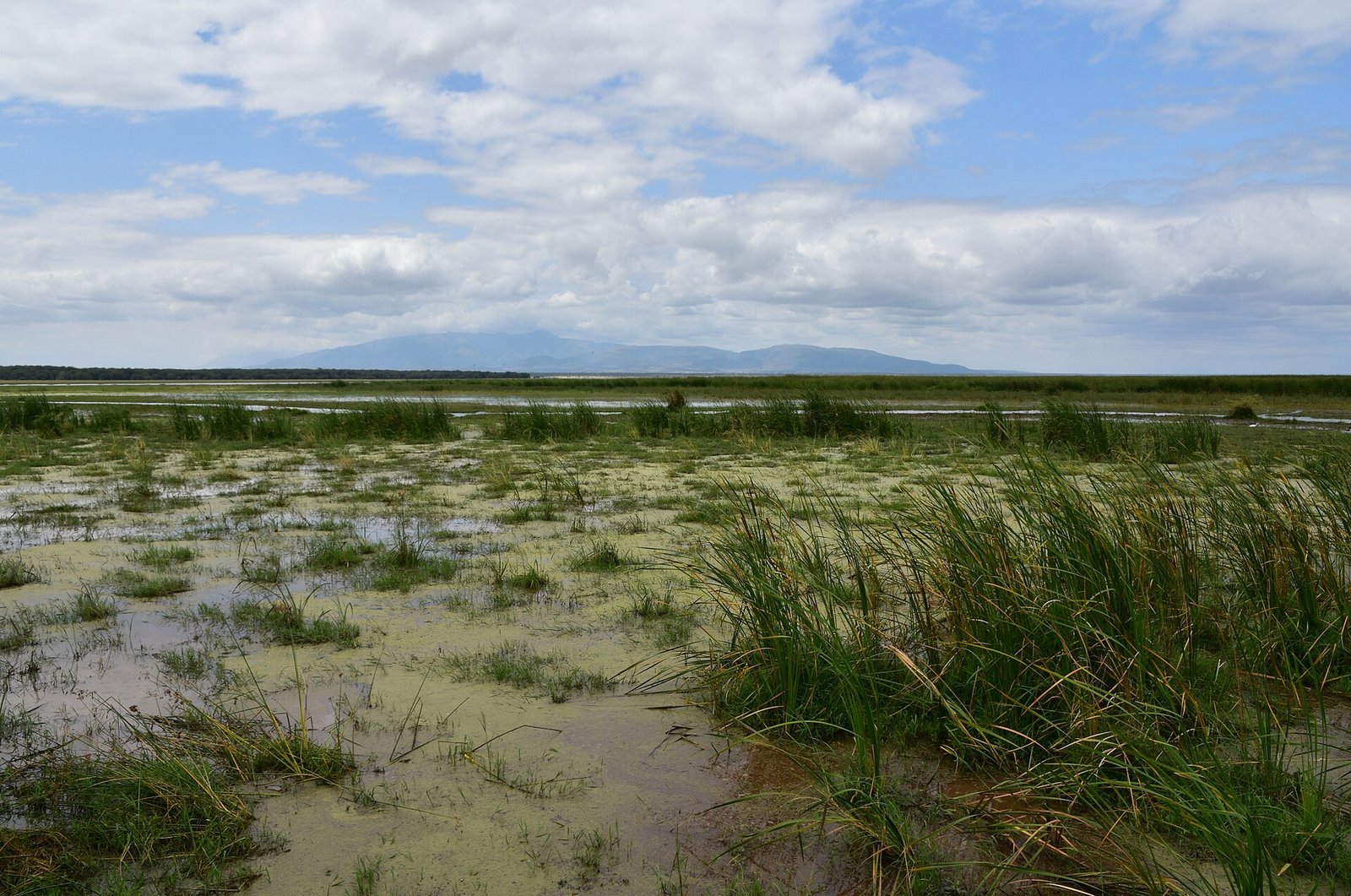
Habitats close together

Groundwater springs sustain evergreen forest, while woodland and open areas shelter other wildlife. Wetlands and the lake attract waterbirds, with the escarpment as a backdrop.

By road from Arusha

The most common option on the northern circuit. Many travellers arrange a private 4×4 with a driver-guide. Actual time depends on traffic, stops, roads and accommodation location.

From Tarangire

Easy to add to a multi-park itinerary. Driving time depends on route, access arrangements and accommodation location.

From Ngorongoro

Can be combined, but the order of visits should reflect the actual itinerary and planned crater descent.

By air

Charter or other suitable flights may serve the wider area. Confirm airstrip access, baggage limits and transfers. From Kilimanjaro International Airport, transferring to Arusha first is often practical.

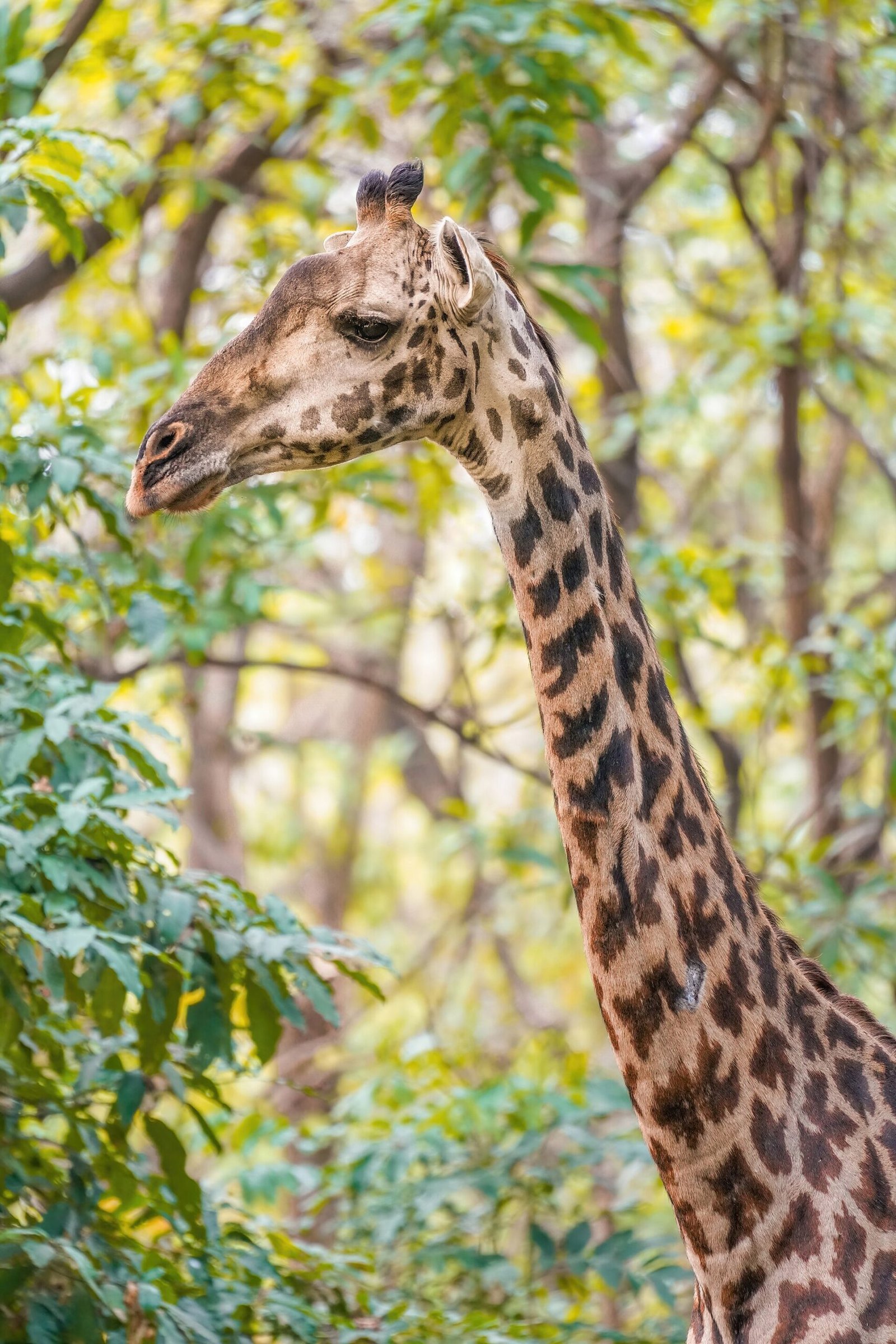
Giraffe in Lake Manyara National Park
Diverse habitatsForest, lake, woodland, escarpment

WHY IT’S FAMOUS

A distinctive mix of wildlife and scenery

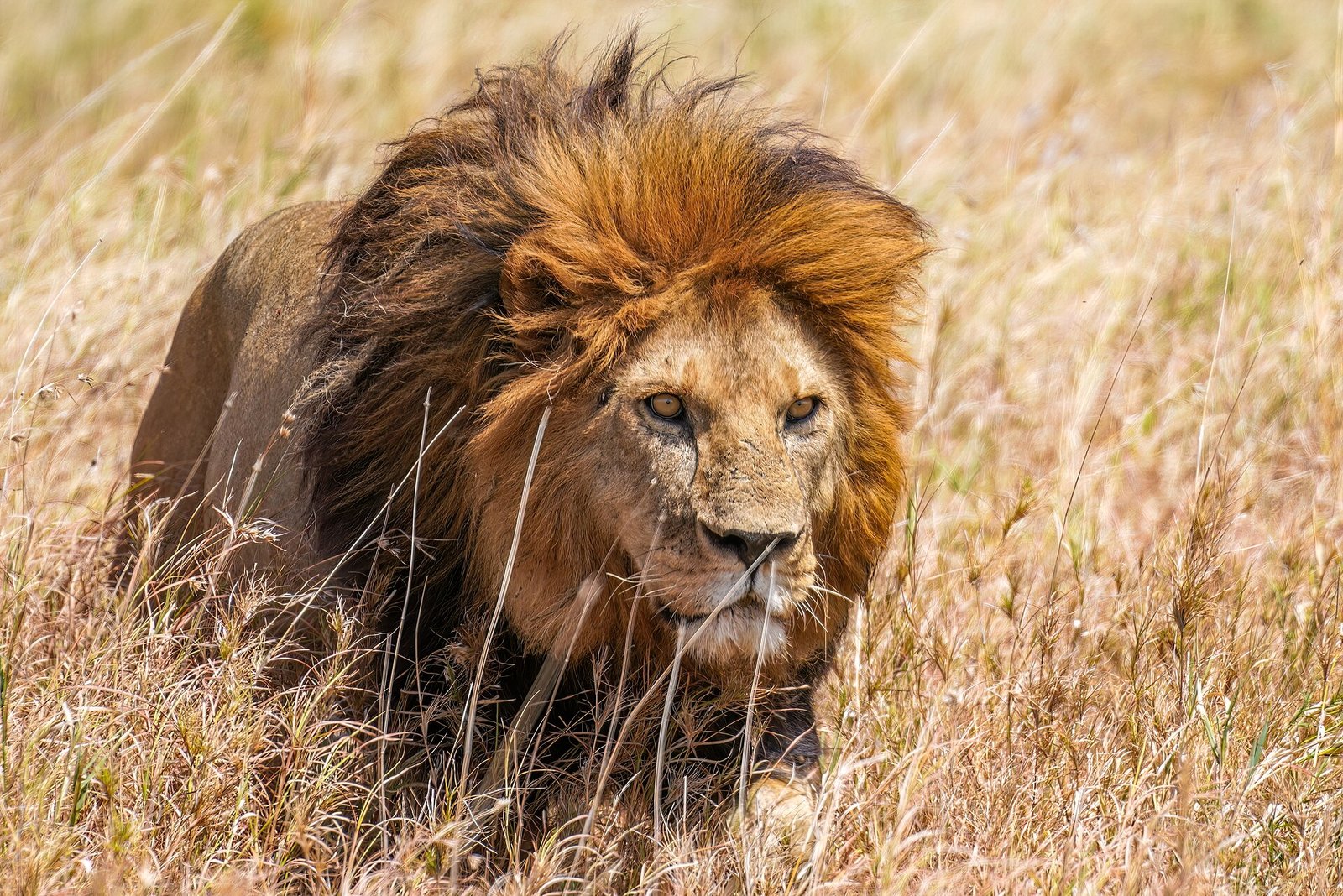
  • Tree-climbing lions

    Lions sometimes rest on suitable acacia branches. It is not exclusive to Manyara, and no single reason explains it. Finding one needs patience and luck, as lions may rest on the ground or stay hidden.

  • Flamingos & the alkaline lake

    At favourable times flamingos form pink concentrations along the shore, alongside pelicans, storks and herons. Numbers vary with water levels and food, so large flocks should never be assumed.

  • Groundwater forest

    Springs sustain lush vegetation near the northern entrance, home to olive baboons, blue monkeys and forest birds, with a different atmosphere from open savanna.

  • Great Rift Valley escarpment

    Steep slopes and viewpoints frame the park. Use designated viewpoints and authorised stopping areas, not unsafe roadside stops.

  • Hot springs

    Linked to the region’s geological activity. Stay within permitted viewing areas because hot water and unstable ground can be dangerous.

WILDLIFE

Wildlife in Lake Manyara

Mammals, reptiles and birds across several habitats. What you see depends on season, route, time of day and recent movements.

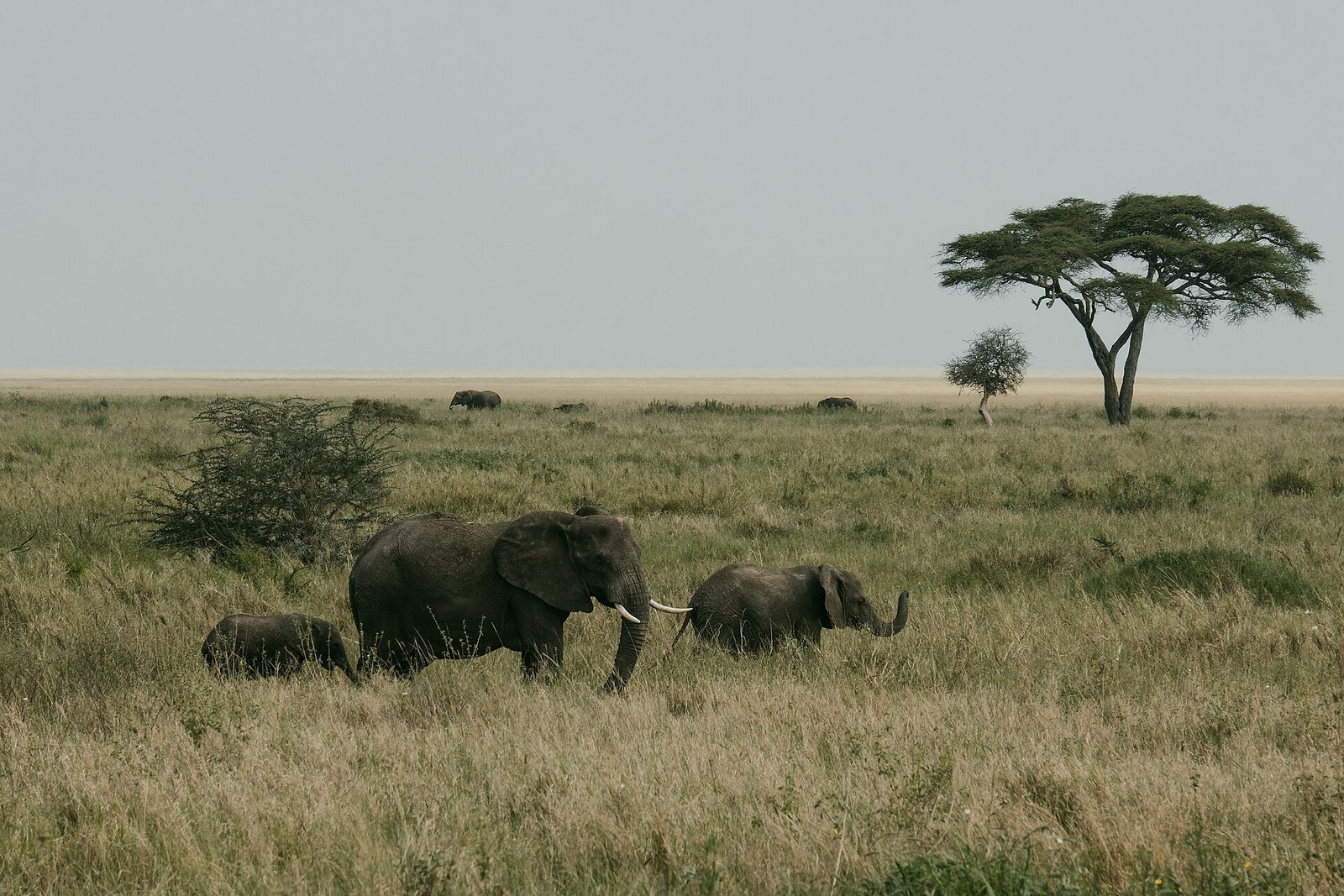
Elephants

Individuals or family groups moving through woodland or feeding. Impressive against forest and escarpment. Watch from a safe distance.

Lions

May rest, move through woodland or hunt. Tree-climbing is possible but not guaranteed. Early morning and late afternoon drives help.

Leopards

Present but elusive, often hidden in thick vegetation or trees. Do not expect one on every trip.

Buffalo

In woodland, grassland and near water. Powerful animals, never approached on foot.

Hippos

Submerged or resting in pools by day. Potentially dangerous: stay in vehicles except at authorised locations and follow signs.

Baboons & blue monkeys

Olive baboons near forest and suitable habitats; blue monkeys in wooded areas. Do not feed or touch them, and secure food at picnic areas.
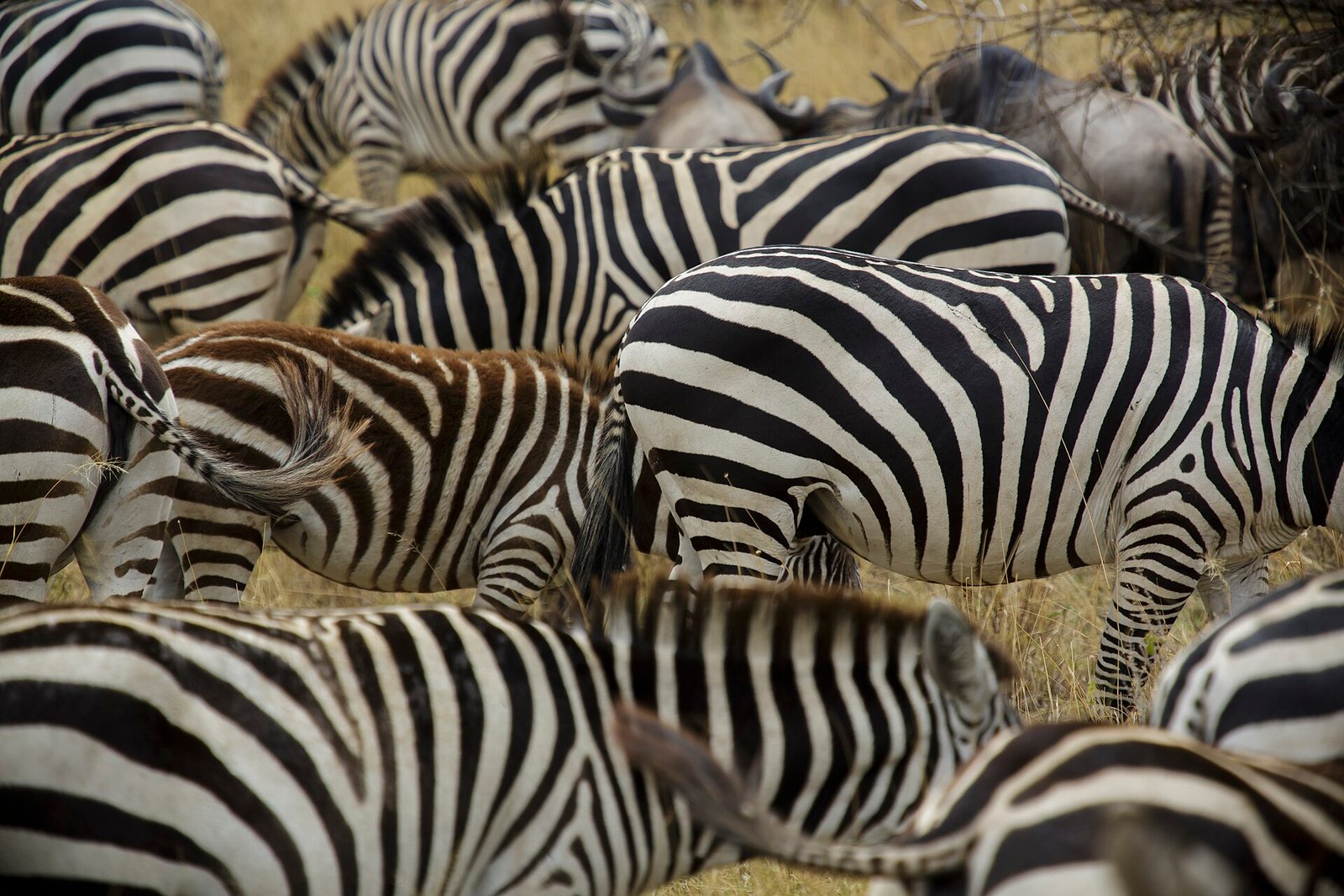
Herbivores

Giraffes, zebras and wildebeest in more open habitats. Distribution changes with vegetation, water and season, and watching them shows how species use the park differently.

Other wildlife

WarthogsImpalas & antelopesHyenasSmall mammalsReptiles & amphibiansResident & migratory birds

It is not simply a place to search for lions: ecological diversity is a main reason to visit.

BIRDWATCHING

Birdwatching in Lake Manyara

A rewarding destination because a lake, wetlands, forest, woodland and open habitats sit in one protected area. More than 400 species have been recorded, according to official park information.

Birds you may see

Lesser & greater flamingosGreat white pelicansAfrican fish eaglesStorksHerons & egretsHornbillsBee-eatersKingfishersSpoonbillsWetland, woodland & migratory birds

Examples of species groups, not a guaranteed checklist for every visit.

When is it best?

Rewarding all year. Seasonal visitors and water conditions change the species and numbers. The green season can be especially interesting for breeding activity and migrants, though heavy rain may affect roads and comfort.

Serious birders should allow extra time, hire a guide experienced in bird identification, and bring binoculars, a camera and an East Africa field guide.

BEST TIME TO VISIT

When to visit Lake Manyara

It can be visited all year. General wildlife viewers may prefer the drier months, while birders and photographers may enjoy the colours and bird activity of wetter periods.

Jun – Oct

The main dry season

Generally favourable for game viewing. Less rain may thin vegetation in places, improving visibility, and animals adjust to water and food.

Does not guarantee easy sightings; busier on popular dates.

Jan – Feb

A potentially good dry period

Can offer favourable conditions, though weather varies by year. Attractive for combining several parks.

Consider lake level and vegetation for birding or photography.

Mar – May

The long rains

A greener landscape and interesting photography, but unpaved roads, visibility and comfort can be affected.

Keep your itinerary flexible and confirm road conditions.

Nov – Dec

The short rains

A greener landscape, with seasonal changes affecting birds and wildlife distribution. Showers do not necessarily prevent a safari.

Prepare for variable weather.

Seasonal planning summary

Jan – FebOften relatively dry, but variableGeneral viewing and multi-park safaris
Mar – MayLong-rain periodGreen landscapes, flexible itineraries
Jun – OctMain dry-season periodGame viewing and photography
Nov – DecShort rains, depending on conditionsBirdwatching and green scenery

Broad patterns, not a prediction of exact weather or wildlife sightings.

THINGS TO DO

Best things to do in Lake Manyara

Follow your guide’s instructions and park rules at all times.

Guided game drive

The main way to explore. A professional guide locates animals, explains behaviour and adapts the route. A drive may pass through forest, woodland, open areas and lakeside habitats. A full day gives more time than a brief stop.

Birdwatching

One of the strongest reasons to visit, for wetland birds, forest species and seasonal visitors. Ask whether a bird-focused guide can be arranged.

Canopy walkway

The park has been known for a canopy walkway for viewing the forest from above. Availability, safety requirements and charges may change, so confirm with TANAPA or your operator before booking it.

Lake Manyara National Park landscape beneath the Rift Valley escarpment

Designated viewpoints

Appreciate the escarpment and lake scenery from authorised viewpoints. Water levels and vegetation affect what you can see.

Learn about the geology

The Rift Valley landscape, alkaline lake and hot springs show how geology, water and wildlife connect. An informative guide can explain it.

Culture near Mto wa Mbu

A popular base for selected cultural experiences such as local food, farming, crafts and community life. Choose respectful, transparent providers. These are separate from wildlife viewing inside the park.

HOW LONG

How many days do you need?

For many travellers, one full day covers the main highlights. Birders and slower-paced visitors may prefer more time.

1 day

The main highlights

A guided drive, a chance to look for elephants and lions, and time in contrasting habitats. Suits travellers staying nearby or continuing to another circuit park. Sightings are unpredictable and one day cannot cover every habitat.

2 days

A more relaxed visit

More time for birdwatching and the surrounding area. An overnight near Mto wa Mbu or the wider area avoids rushing between destinations.

2+ days

More than two?

On a classic itinerary, many travellers add nights to Serengeti and Ngorongoro. Photographers, birders and culture-minded visitors may stay longer. Plan by interests, not the number of parks.

SAFARI COST

How much does a Lake Manyara safari cost?

It depends on dates, group size, accommodation, transport, guide services and activities. A day trip from Arusha has a different price structure from a multi-day private safari across several parks.

Park entry fees

Depend on the official tariff, visitor category, age and other conditions. Extra fees may apply to certain services or activities.

Transport & guide

A private vehicle and professional driver-guide add to the cost. Sharing a vehicle may reduce the per-person expense where available.

Accommodation

Budget guesthouses, campsites, mid-range lodges and luxury properties differ in comfort and service.

Length of stay

More days usually mean more accommodation, meals, transport and park charges.

Season

Demand can affect prices and availability, especially in popular periods.

Extra activities

Special experiences may carry separate charges and need advance arrangements.

Ask for a written quotation that states

  • The number of safari days
  • Accommodation and meal plan
  • Park fees and other mandatory charges
  • Transport and guide services
  • Airport transfers, if applicable
  • Any optional activities
  • Exclusions: international flights, insurance, personal expenses

Avoid old online prices. Official tariffs and activity arrangements can change.

WHERE TO STAY

Where to stay for a Lake Manyara safari

Accommodation is found around Mto wa Mbu and in the wider Karatu area, from budget guesthouses to lodges and luxury tented camps.
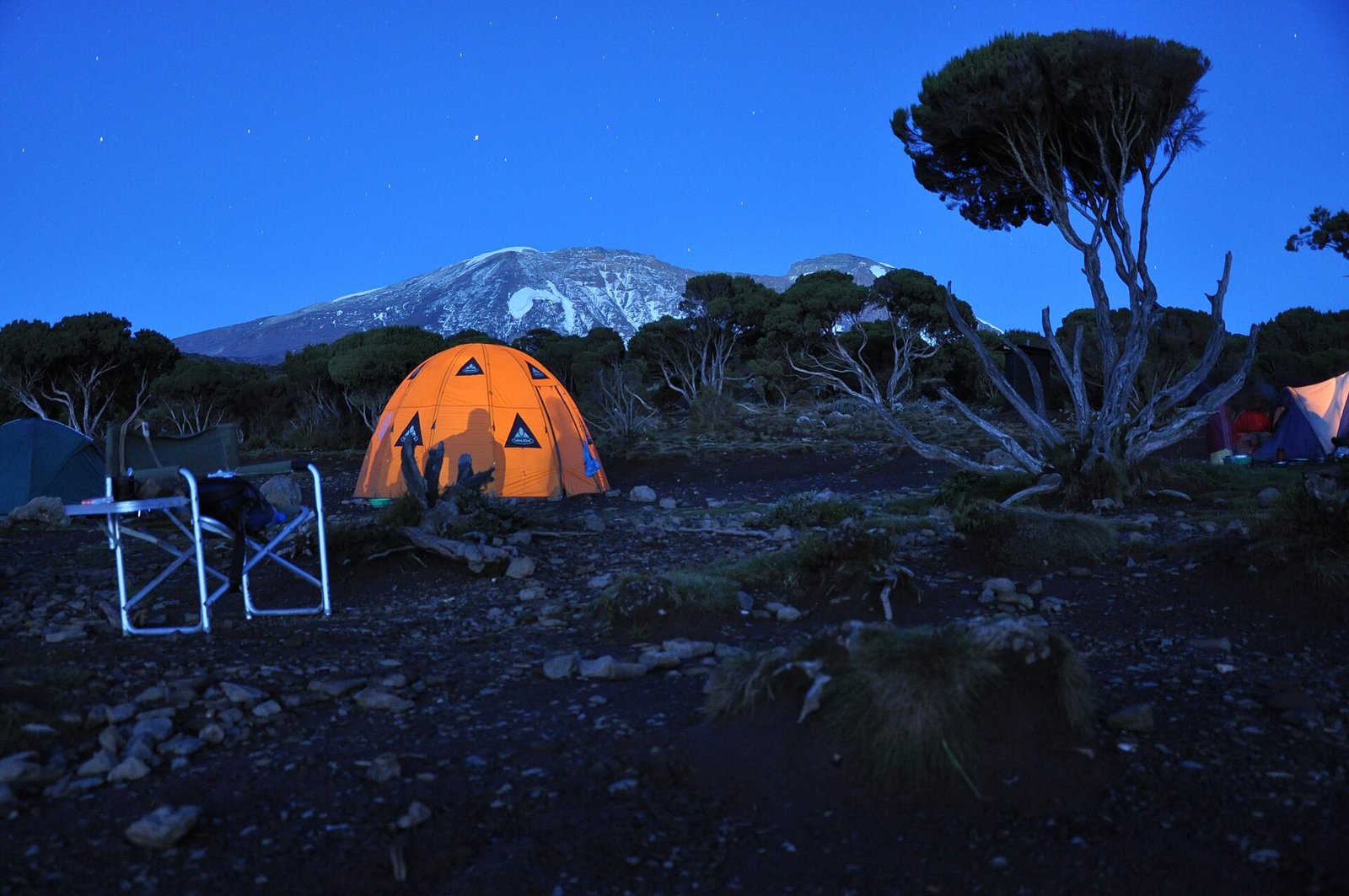
Tents at a campsite at dusk in Tanzania01

Budget accommodation

Suits travellers who prioritise affordability and spend most time on safari. Compare location, transport, bathrooms, meals and services included, not the nightly price alone.

02

Mid-range lodges

A balance of comfort, service and value, possibly with a restaurant, private bathroom and outdoor spaces. Check the location, as a property “in the Lake Manyara area” may be some distance from the park gate.

03

Luxury lodges & tented camps

Spacious accommodation, personalised service, quality dining and scenic surroundings, some with Rift Valley views. Wildlife views from a lodge should never be assumed.

Near the park or in Karatu? Staying near Mto wa Mbu is convenient for Manyara. Karatu may be a practical base for itineraries that also include Ngorongoro. The best choice depends on your route, activities, budget and how much you want to drive each day.

BEFORE YOU GO

Pack well, travel responsibly

Prepare for open landscapes, forest shade, sunshine and potentially changing weather. The forests, lake, wetlands and wildlife are sensitive to disturbance.

What to pack

  • Comfortable, lightweight clothing
  • A warm layer for early mornings
  • Comfortable closed shoes
  • A hat and sunglasses
  • Sunscreen and insect repellent
  • Binoculars for birdwatching
  • A camera and spare batteries
  • Drinking water
  • Personal medication
  • A small day bag
  • Rain protection during wetter months

Keep food secured at picnic sites: baboons and monkeys may approach. Follow your guide’s instructions on where to stop.

Responsible tourism

  • Respect wildlife. Do not approach, feed or touch animals. Stay in your vehicle except at authorised locations.
  • Protect forest and wetlands. Stay on designated roads and boardwalks; do not remove plants, disturb nests or litter.
  • Be considerate around birds and hippos. Avoid noise near roosts and pools.
  • Choose responsible operators who follow park rules and set realistic expectations.
  • Respect local communities. In Mto wa Mbu, listen to your host and ask before photographing people.

COMPARE

Manyara vs Tarangire vs Serengeti vs Ngorongoro

The right combination depends on time, budget and wildlife interests.

Which one? Choose Lake Manyara for compact diversity, forest and birdlife; Tarangire for elephants and baobabs; Serengeti for vast plains and migration-related experiences; Ngorongoro for crater scenery and concentrated wildlife. If time and budget allow, combine them for a varied northern Tanzania safari.

SAMPLE ITINERARY

A northern Tanzania safari framework

A sample, not a fixed schedule.

  1. Day 1

    Arrive in Arusha

    Transfer to your accommodation and prepare. Depending on arrival time, meet your guide and review the route.

  2. Day 2

    Tarangire National Park

    Guided game drive for elephants, giraffes, zebras, antelopes and predators. Stay in the Tarangire area or along the planned route.

  3. Day 3

    Lake Manyara National Park

    Explore the forest, woodland and lakeside habitats for elephants, primates, birds and other wildlife. Continue to accommodation near Mto wa Mbu or Karatu.

  4. Day 4

    Ngorongoro Crater

    Visit if permits, timing and itinerary allow. Explore the crater floor with a qualified guide and follow conservation-area rules.

  5. Days 5–6

    Serengeti National Park

    Game drives in a region chosen by your dates and wildlife interests.

  6. Day 7

    Departure or extension

    Return toward your departure point or extend with more wildlife viewing or another destination.

Confirm driving times, park access, accommodation availability and activity rules before booking.

FAQ

Frequently asked questions

Quick answers about Lake Manyara National Park.

Is Lake Manyara National Park worth visiting?

Yes. Lake Manyara offers diverse habitats, elephants, primates, birdlife and the possibility of seeing tree-climbing lions. It is also conveniently located for travellers exploring northern Tanzania.

What is Lake Manyara National Park famous for?

The park is especially known for tree-climbing lions, flamingos and other waterbirds, elephants, groundwater forest and the Great Rift Valley escarpment.

Can you see tree-climbing lions in Lake Manyara?

Tree-climbing lions are one of the park's best-known attractions, but sightings are not guaranteed. Lions may be resting on the ground, moving through woodland or hidden by vegetation.

Are flamingos always present at Lake Manyara?

No. Flamingo numbers and locations change according to water levels, food availability and seasonal conditions. The lake may attract large gatherings at favourable times, but visitors should not expect a specific number of birds.

How long should I spend in Lake Manyara National Park?

One full day is suitable for many visitors. Birdwatchers and travellers who prefer a slower pace may benefit from additional time in the area.

What is the best month to visit Lake Manyara?

June to October is generally a favourable period for game viewing in northern Tanzania. January and February can also be attractive, while wetter months may offer greener scenery and interesting bird activity. Conditions vary from year to year.

Can I visit Lake Manyara on a day trip from Arusha?

Yes. Many travellers visit on a full-day safari from Arusha. Allow enough time for the road journey, park entry and game drives, and confirm the itinerary with your operator.

Is Lake Manyara suitable for children?

It can be suitable for families, depending on the child's age, the length of the journey and the accommodation arrangements. Families should discuss safety, meals, vehicle arrangements and any age restrictions for additional activities before booking.

Can Lake Manyara be combined with Tarangire and Ngorongoro?

Yes. The three destinations are commonly combined on northern Tanzania itineraries. The route should be planned around driving times, accommodation and the activities you want to prioritise.

Are the canopy walkway and other special activities always available?

Not necessarily. Availability, operating arrangements, safety rules and charges can change. Confirm directly with TANAPA or your operator before including a special activity in your itinerary.

Are park fees included in the safari price?

It depends on the package. Ask for an itemised quotation and verify the current official tariff before payment.

Share this guide

This guide provides general travel information. Confirm current park fees, activity availability, access arrangements and accommodation details with the Tanzania National Parks Authority and your chosen operator before travelling.