Panoramic view into the Ngorongoro Crater from the rim, Ngorongoro Conservation Area, Tanzania

UNESCO World Heritage Site

Ngorongoro Conservation Area

The Complete Tanzania Safari Guide

One of Tanzania’s most remarkable destinations, bringing together extraordinary wildlife, dramatic volcanic landscapes, archaeological discoveries and living cultural traditions in northern Tanzania.

1959Established
809,440 haApprox. area (UNESCO)
1979 & 2010Natural & cultural
Northern TanzaniaManaged by NCAA
Where is it?Arusha Region, Tanzania

Northern Tanzania, west of Arusha town, on the edge of the Great Rift Valley highlands.

View on map

INTRODUCTION

Far more than a crater

Ngorongoro is best known for its crater, but its attractions extend far beyond the famous crater floor. Visitors can explore highland forests, open grasslands, volcanic craters, wildlife habitats and places connected to the study of human origins.

The area also forms part of the wider Serengeti ecosystem, where wildebeest, zebras and gazelles move seasonally in search of fresh grazing. The crater is one attraction within a much larger conservation landscape.

Key takeaways

  1. Ngorongoro Conservation Area is in northern Tanzania and was established in 1959.
  2. It is recognised as a UNESCO World Heritage Site for its natural and cultural significance.
  3. Ngorongoro Crater is a major wildlife-viewing attraction within the wider conservation area.
  4. Olduvai Gorge and Laetoli are internationally important archaeological and palaeoanthropological sites.
  5. Wildlife viewing is possible throughout the year, although weather, visibility and visitor numbers change seasonally.
  6. The Ndutu area is associated with wildebeest calving season, but includes land outside the national park and within the wider conservation landscape.
  7. Safari costs depend on accommodation, transport, activities, group size and current conservation fees.

OVERVIEW

What is Ngorongoro Conservation Area?

A protected landscape in northern Tanzania managed by the Ngorongoro Conservation Area Authority (NCAA).

Multiple land use

Established in 1959 as a multiple land-use area, where wildlife conservation takes place alongside traditional livestock grazing by Maasai pastoralist communities.

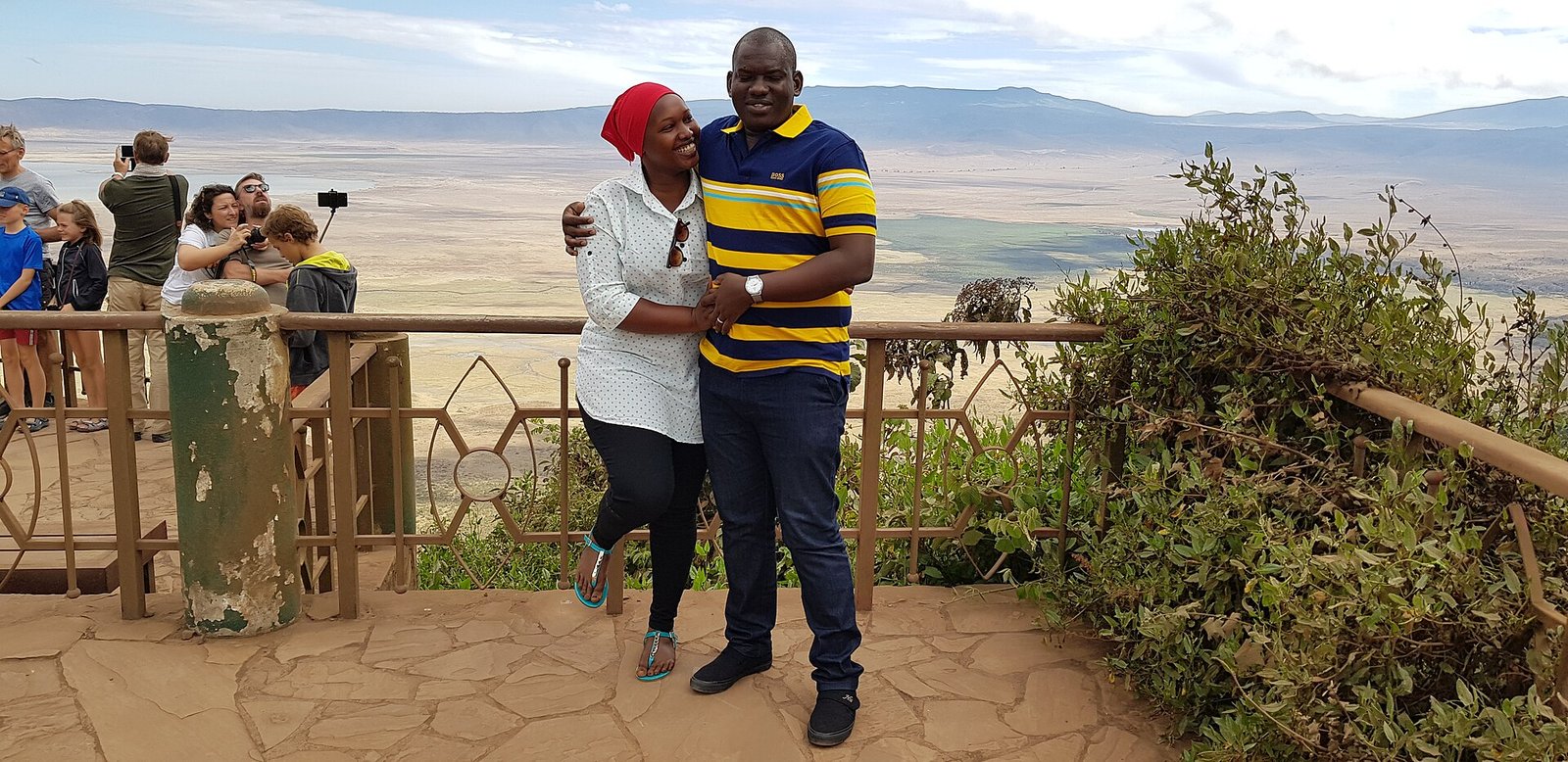
Highlands to plains

According to UNESCO, the World Heritage property covers approximately 809,440 hectares and contains highland plains, savannah, woodlands, forests and volcanic landscapes.

Mixed World Heritage

Inscribed for its natural values in 1979. Its cultural significance was recognised through an additional inscription in 2010, making it a mixed natural and cultural property.

The larger landscape

Ngorongoro Conservation Area

The larger protected landscape, including several volcanic features, wildlife habitats, archaeological sites and cultural landscapes.

One famous feature

Ngorongoro Crater

The famous volcanic caldera within that landscape. Its floor is a major game-drive destination with a variety of wildlife in a relatively concentrated area.

Also within the wider area: Empakaai Crater, Olmoti Crater, Olduvai Gorge, Laetoli and the highlands. Official reference: UNESCO World Heritage Centre

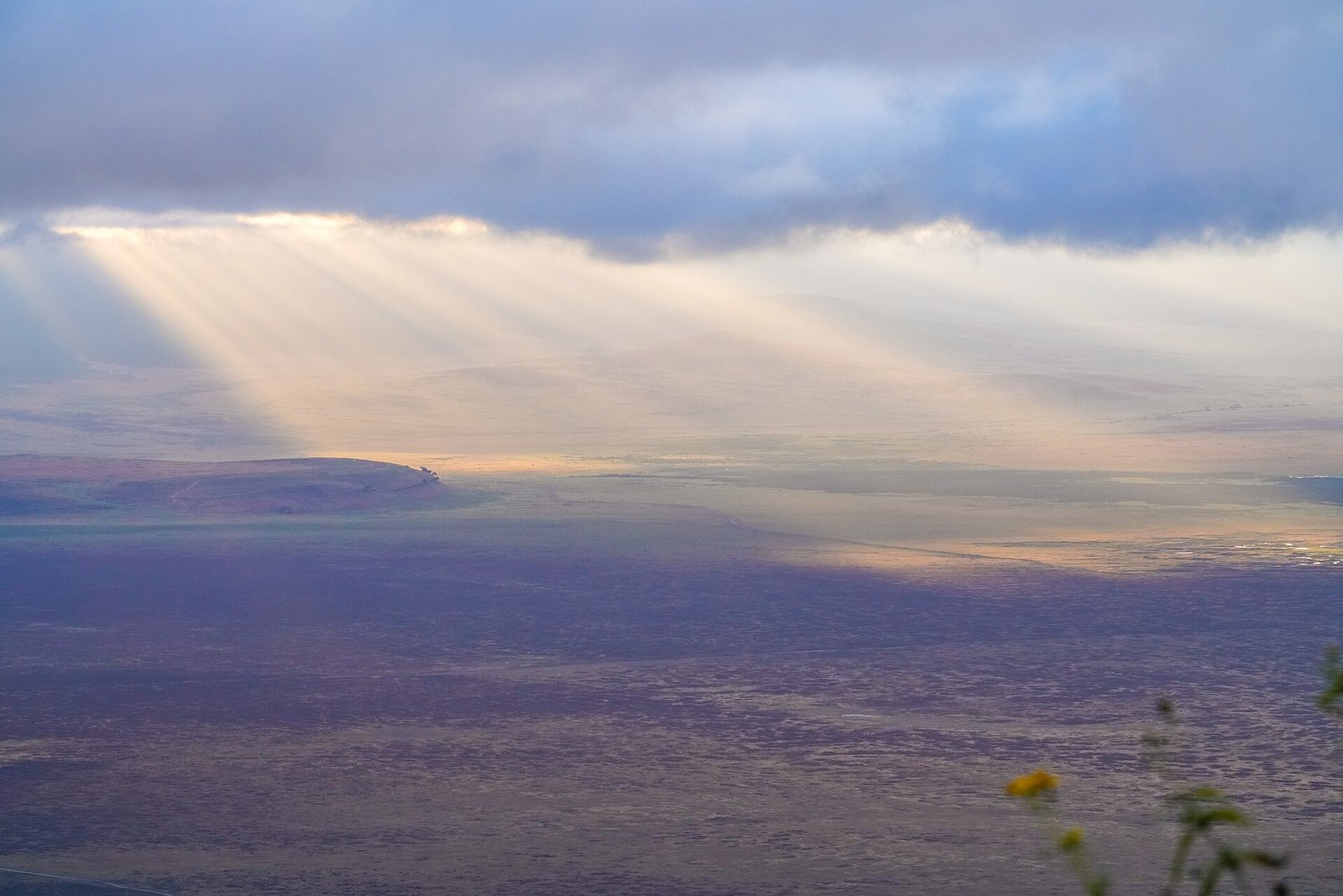
Sunlight breaking through clouds over the floor of the Ngorongoro Crater
Mixed World HeritageNatural 1979 · Cultural 2010

WHY IT’S FAMOUS

Wildlife, geology, archaeology and culture

  • Ngorongoro Crater

    A large volcanic caldera with steep walls, grasslands, wetlands and woodland. It supports lions, elephants, buffaloes, zebras, wildebeest, hyenas and more, and is an important place to look for the endangered black rhinoceros, though sightings are never guaranteed.

  • UNESCO World Heritage status

    UNESCO recognises exceptional natural landscapes, biodiversity, geological features and evidence relating to human evolution. Mixed status makes it distinctive among Tanzania’s safari destinations.

  • Maasai cultural heritage

    Maasai pastoralist communities have a long-standing connection with the landscape. Approach cultural experiences respectfully, use responsible local operators and ask permission before photographing people. Not every settlement is open to visitors.

  • Archaeology & human origins

    Olduvai Gorge and Laetoli have produced fossils, stone tools and other evidence that helped researchers investigate human evolution over millions of years.

ATTRACTIONS

The main attractions

Seven places to consider, from the famous crater floor to the archaeology and highlands beyond.
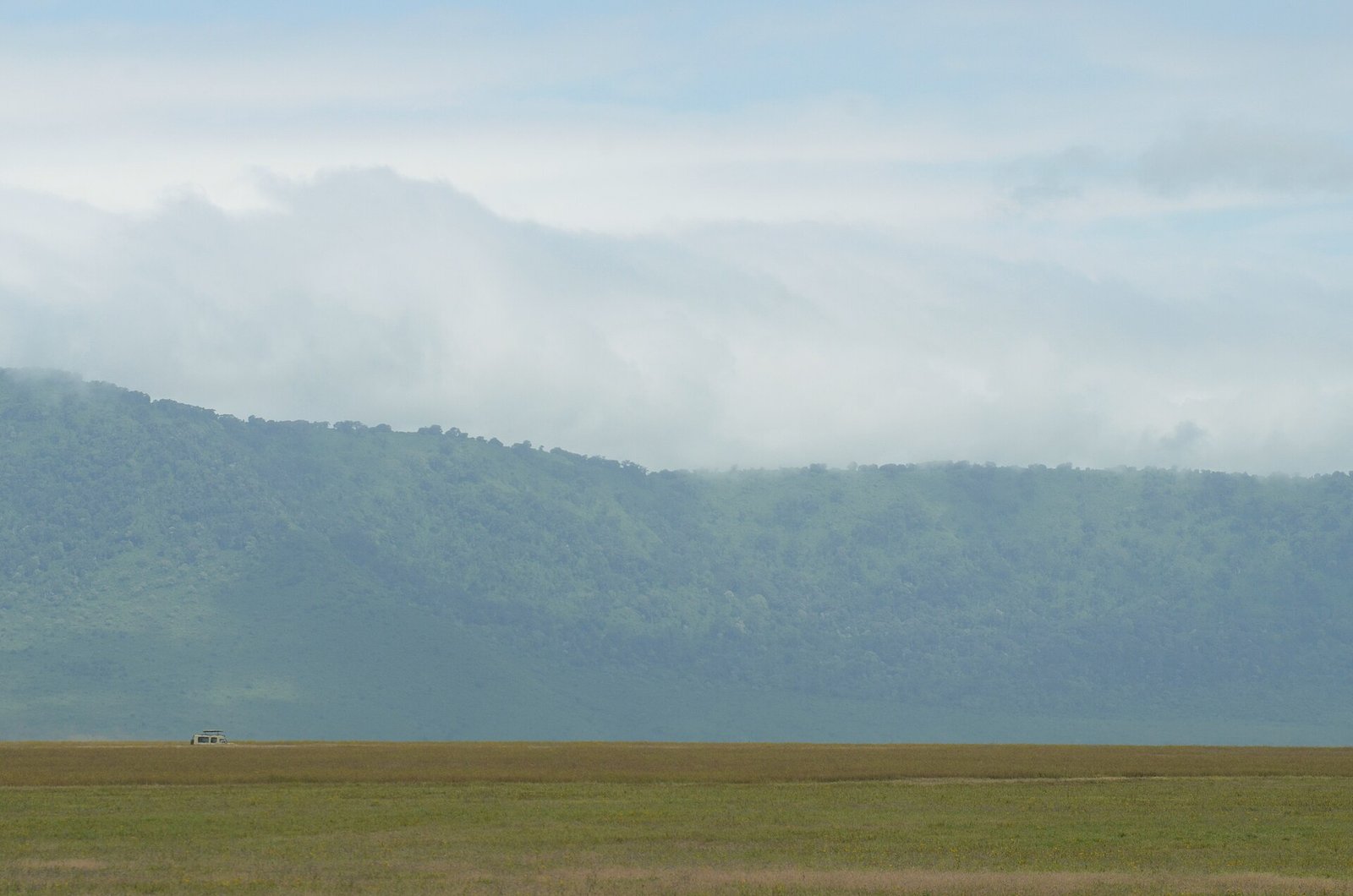
Safari vehicle on a game drive inside the Ngorongoro Crater01

Ngorongoro Crater

A priority for visitors whose main interest is wildlife viewing. Open grassland, water sources and varied habitats create opportunities to see different species during a game drive.

The crater floor is not a guarantee of seeing every member of the Big Five. Leopards and black rhinos can be particularly elusive. Confirm current crater-access rules, fees and permitted visit duration with NCAA or your tour operator before departure.

02

Olduvai Gorge

One of the world’s best-known archaeological and palaeoanthropological locations, adding a historical and educational dimension to a safari. Check which facilities, exhibitions and guided experiences are available on your dates.

03

Laetoli footprints

Famous for fossilised hominin footprints preserved in ancient volcanic deposits, important evidence of early bipedal movement. Access may be restricted, so confirm before including it in an itinerary.

04

Empakaai Crater

A different landscape, with steep sides and a lake, for visitors interested in highland scenery and nature-based activities. Walks must follow NCAA regulations and guide requirements. Check routes and physical demands.

05

Olmoti Crater

Another volcanic feature in the highlands, for travellers who want to experience the area’s geology and landscapes beyond a standard crater game drive. Confirm availability, access and walking arrangements.
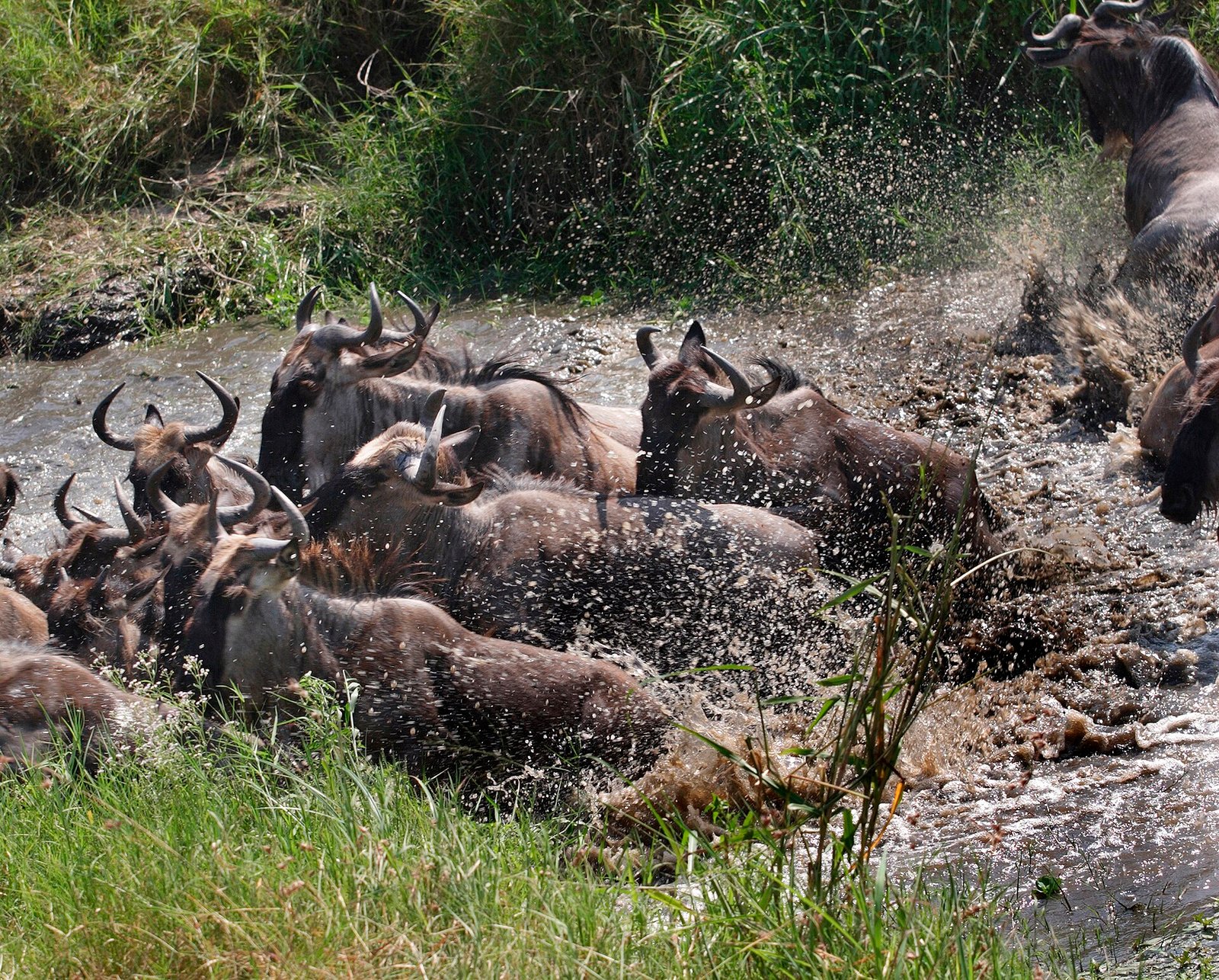
Great Migration herds in the Serengeti06

Ndutu Plains

Associated with seasonal wildebeest movements and calving in the wider Serengeti ecosystem. Ndutu is not entirely within Serengeti National Park, so itineraries and fees must reflect the location actually visited. Herd timing changes with rainfall and cannot be guaranteed.

Panoramic view into the Ngorongoro Crater from the rim07

Ngorongoro Highlands

Cooler conditions, forested slopes, open grasslands and dramatic views, in contrast with the open savannahs of the crater floor. Depending on the itinerary: viewpoints and approved walking routes.

WILDLIFE

What animals can you see?

Ngorongoro supports diverse wildlife across its habitats. What you see depends on location, season, weather and time spent exploring.

Lions

Frequently associated with open grasslands and other suitable habitats in the crater.

Leopards

Elusive cats that may be difficult to locate.

Elephants

Found in different habitats, including woodland and forest areas.

Buffaloes

Often seen in groups in suitable grazing areas.

Black rhinoceroses

Endangered and difficult to spot, even where they occur.

No guarantees. It is possible to see several Big Five animals during a well-planned visit, but no ethical operator can guarantee all five on every safari.

Other mammals

WildebeestZebrasThomson’s gazellesGrant’s gazellesSpotted hyenasWarthogsJackalsHipposGiraffes (where they occur)Other antelope

Different parts of the conservation area support different wildlife communities, so a crater game drive is not identical to exploring the highlands or the seasonal migration areas.

Birdlife

A wide variety of bird species. Depending on location and season, you may see raptors, waterbirds, grassland species and other birds of highland and savannah habitats.

Birdwatchers should allow sufficient time and consider a guide experienced in identifying local birdlife.

BEST TIME TO VISIT

When to visit Ngorongoro

It can be visited all year. The best period depends on whether you prioritise wildlife viewing, green landscapes, birdwatching, calving-season activity or avoiding the busiest travel periods.

Jan – Mar

Green, with calving activity

Often green, with calving-season activity in the wider Ndutu ecosystem.

Suits newborn wildlife and predator activity.

Apr – May

The long rains

Long rains can produce lush scenery and challenging road conditions.

Check access, weather and accommodation carefully.

Jun – Oct

Generally drier

Popular safari months, often attractive for game drives.

Visitor numbers and prices may be higher.

Nov – Dec

The short rains

Short rains can refresh the landscape.

Useful for green scenery and birdwatching, depending on conditions.

These are broad seasonal patterns rather than a guarantee of weather or wildlife sightings.

Good for a safari all year?

Yes. The crater supports resident wildlife, making it a strong destination in different seasons. Visibility, road conditions, vegetation, rainfall and visitor numbers can affect the experience. The wider area is more varied than the crater alone: for wildebeest calving, the location of the herds matters as much as the month.

Great Migration timing

The Ndutu area is often associated with calving from around December to March, with the main period commonly late January and February. Exact timing changes with rainfall. Choose accommodation by the expected location of the herds, and expect wildlife to move earlier or later than anticipated.

SAFARI COST

How much does a Ngorongoro safari cost?

There is no single price. A crater-focused day visit has a different cost structure from a multi-day itinerary that adds the highlands, archaeological sites and other national parks.

Conservation & activity fees

Charges depend on the visit, traveller category, vehicle and activities. Check current NCAA tariffs rather than outdated figures on third-party websites.

Transport

A private 4x4 safari vehicle, shared arrangements and domestic flights all have different costs.

Accommodation

Budget campsites, lodges near Karatu and properties near the crater rim offer different price levels and access advantages.

Guide services

The itinerary, vehicle arrangement, guide services and the operator’s level of service can affect the quotation.

Season & duration

Busy travel periods and longer itineraries can increase costs.

Comparing quotations

Ask each operator for an itemised quotation. Do not assume two quotations cover the same services just because both advertise a Ngorongoro safari.

An itemised quotation should show

  • Accommodation and meal arrangements
  • Transport and guide services
  • Conservation and activity fees
  • Crater access and vehicle-related charges where applicable
  • Airport transfers or domestic flights
  • Optional activities
  • Taxes, levies and excluded expenses

PLAN YOUR TRIP

How many days, and where to stay

Do not plan every attraction as if it were next door to the crater. Driving distances, road conditions, access requirements and activity durations all matter.

1 day

Crater-focused

Suitable if your main priority is a crater game drive. A concentrated wildlife experience, but limited time for other attractions in the wider area.

2 days

Crater plus one more

Allows a crater visit plus another activity or attraction, depending on distances, access rules and the itinerary.

3+ days

The wider landscape

For combining wildlife with highland scenery, approved walks, archaeological sites or a broader Northern Tanzania itinerary.

Crater rim lodges

Dramatic views and convenient access for a crater visit. They may be more expensive, particularly in busy periods.

Karatu accommodation

A range of lodges and hotels used on the Northern Safari Circuit. A practical base for some itineraries, but consider the journey to each attraction.

Campsites

May suit a more budget-conscious trip. Confirm facilities, equipment, meals, permits and current rules for the specific campsite.

Choosing the right location. Before booking, ask how long it takes to reach the planned attractions, whether the property operates on your dates and what transport is included. The lowest price is not always the best value if it creates long transfers or limits time for activities.

BEFORE YOU GO

Pack well, travel responsibly

Conditions vary between the crater, highlands and lower elevations. Early mornings may be cool, particularly around the crater rim.

What to pack

  • Lightweight clothing for daytime activities
  • A warm jacket or fleece for cool mornings and evenings
  • Comfortable walking shoes
  • Hat, sunglasses and sunscreen
  • Binoculars and a camera, if available
  • Insect repellent
  • Personal medication and basic toiletries
  • A reusable water bottle where appropriate
  • Travel documents and booking confirmations
  • Rain protection during wetter periods

Hiking or walking? Ask about terrain, distance, required footwear and any specific equipment.

Responsible tourism & rules

  • Follow NCAA regulations and your guide’s instructions
  • Keep a safe distance from wildlife
  • Never feed animals or attempt to attract them
  • Stay within authorised areas and approved routes
  • Avoid littering and take waste away as instructed
  • Respect local communities and their privacy
  • Ask permission before photographing people
  • Follow the rules for archaeological and sensitive sites
  • Confirm access requirements before hiking or specialised activities

The area is also an important landscape for biodiversity, heritage and local livelihoods.

FAQ

Frequently asked questions

Quick answers about Ngorongoro Conservation Area.

What is the difference between Ngorongoro Conservation Area and Ngorongoro Crater?

Ngorongoro Conservation Area is the larger protected landscape. Ngorongoro Crater is one of its most famous attractions, known for its volcanic scenery and wildlife.

Why is Ngorongoro Conservation Area a UNESCO World Heritage Site?

It has outstanding natural and cultural importance, including biodiversity, volcanic landscapes, wildlife movements and archaeological evidence relating to human evolution. Its World Heritage recognition includes both natural and cultural values.

Can you see the Big Five in Ngorongoro?

The area supports all five traditional Big Five species, but sightings are not guaranteed. Leopards and black rhinoceroses can be particularly difficult to find.

What is the best time to visit Ngorongoro?

The area is a year-round destination. Drier months from around June to October are popular, while the green season can offer lush scenery and relevance for visitors interested in the wider Ndutu calving area.

How much does a Ngorongoro safari cost?

Prices vary according to accommodation, transport, group size, activities, duration and current official fees. Request a detailed quotation and verify the relevant tariffs before booking.

Is one day enough for Ngorongoro?

One day can be sufficient for a crater-focused visit. Two or more days may be preferable if you want to explore other attractions within the wider conservation area.

Can I visit Olduvai Gorge during a Ngorongoro safari?

Olduvai Gorge is an important attraction in the conservation area. Confirm current visitor access, opening arrangements, available exhibitions and any applicable fees before travelling.

Is Ngorongoro suitable for families?

It can be suitable for families, but the itinerary should account for driving times, accommodation policies, children's needs and activity restrictions. Confirm age requirements for any specialised activity before booking.

Can I visit Ngorongoro without a tour operator?

Travel arrangements depend on the current rules, permits, transport and activities involved. Check NCAA's official visitor information and make sure your arrangements comply with all applicable requirements.

Share this guide

Safari Best aims to provide useful, reliable information for travellers planning a Tanzania safari. Conservation fees, visitor regulations, access arrangements and seasonal wildlife movements can change, so verify time-sensitive details with the relevant official authority or service provider before travelling.

Coming soon

Tour guides in Ngorongoro Conservation Area

We are getting our tour guide directory ready. Please check back soon.