Tarangire National Park landscape with baobab trees, Tarangire National Park, Tanzania

Elephants & baobabs

Tarangire National Park

The Complete Tanzania Safari Guide

One of Tanzania’s most rewarding safari destinations, famous for large elephant herds, ancient baobab trees, diverse wildlife and beautiful savanna landscapes in northern Tanzania.

2,850 km²Approx. park area
South of ArushaNorthern safari circuit
2.5–3 hoursBy road from Arusha
Jun – OctConcentrated wildlife viewing
Where is it?Manyara Region, Tanzania

Northern Tanzania, about 120 km from Arusha along the Arusha–Dodoma road.

View on map

INTRODUCTION

A quieter, elephant-led safari

The park offers a distinctive experience shaped by the seasonal movement of animals toward the Tarangire River and surrounding wetlands. While the Serengeti is known for the Great Wildebeest Migration and Ngorongoro for its crater, Tarangire stands out for elephant encounters, dramatic scenery and seasonal concentrations of wildlife.

Its quieter atmosphere in some areas can make it an excellent choice for a more relaxed game-viewing experience, whether it is your first safari, a family trip, a photography trip or part of a longer northern Tanzania itinerary.

At a glance

  1. Location: northern Tanzania, within the northern safari circuit.
  2. Size: approximately 2,850 square kilometres.
  3. Best known for: large elephant herds and baobab landscapes.
  4. Main waterway: the Tarangire River.
  5. Concentrated wildlife viewing: June to October, particularly the drier months.
  6. Also: Silale Swamp, savanna woodland, diverse birdlife and seasonal wildlife movements.
  7. Recommended visit: one full day for a short itinerary; two days for a more relaxed experience.
  8. Common combinations: Serengeti, Ngorongoro Crater, Lake Manyara and Zanzibar.

Sightings depend on season, rainfall, animal movements and the areas visited. No park can guarantee a particular species.

LOCATION

Where is Tarangire National Park?

In northern Tanzania, south of Arusha, as part of the northern safari circuit with Serengeti, Ngorongoro Conservation Area and Lake Manyara.

Varied habitats

About 2,850 square kilometres of open grasslands, acacia woodlands, riverine vegetation, rocky areas and seasonal swamps supporting a wide variety of mammals and birds.

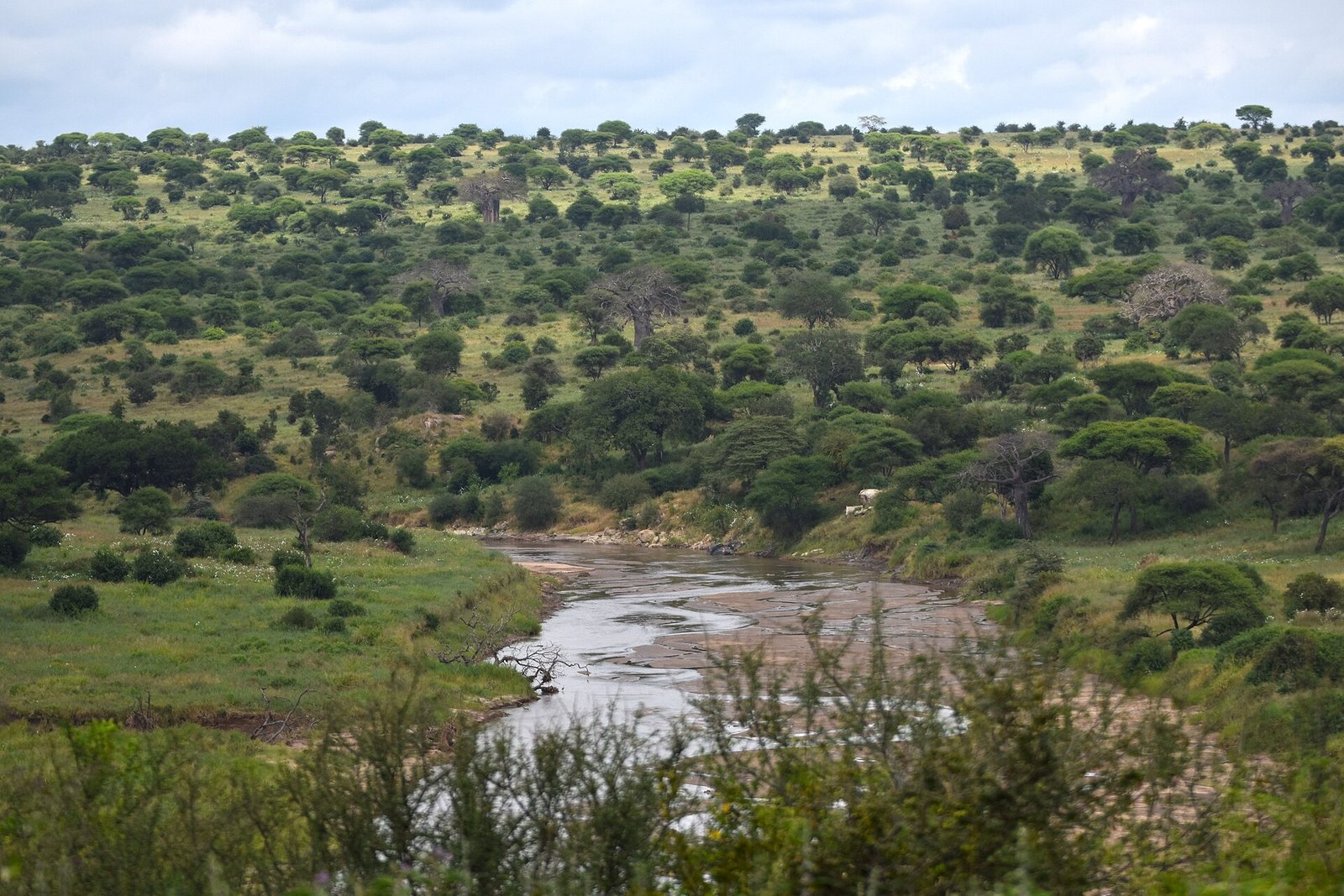
The Tarangire River

Central to the park’s ecology. In the dry season, wildlife gathers around remaining water sources, one of the main reasons the park is so rewarding for game viewing in the drier months.

From Arusha

Generally about 2.5 to 3 hours by road, depending on the starting point, traffic, route and conditions. Many travellers visit on a full-day safari; others stay a night near or inside the park.

Arriving by air? Travellers through Kilimanjaro International Airport commonly transfer to Arusha or another overnight location first. Charter flights may be available depending on itinerary and schedules. Check current road conditions and access with the Tanzania National Parks Authority before departure.

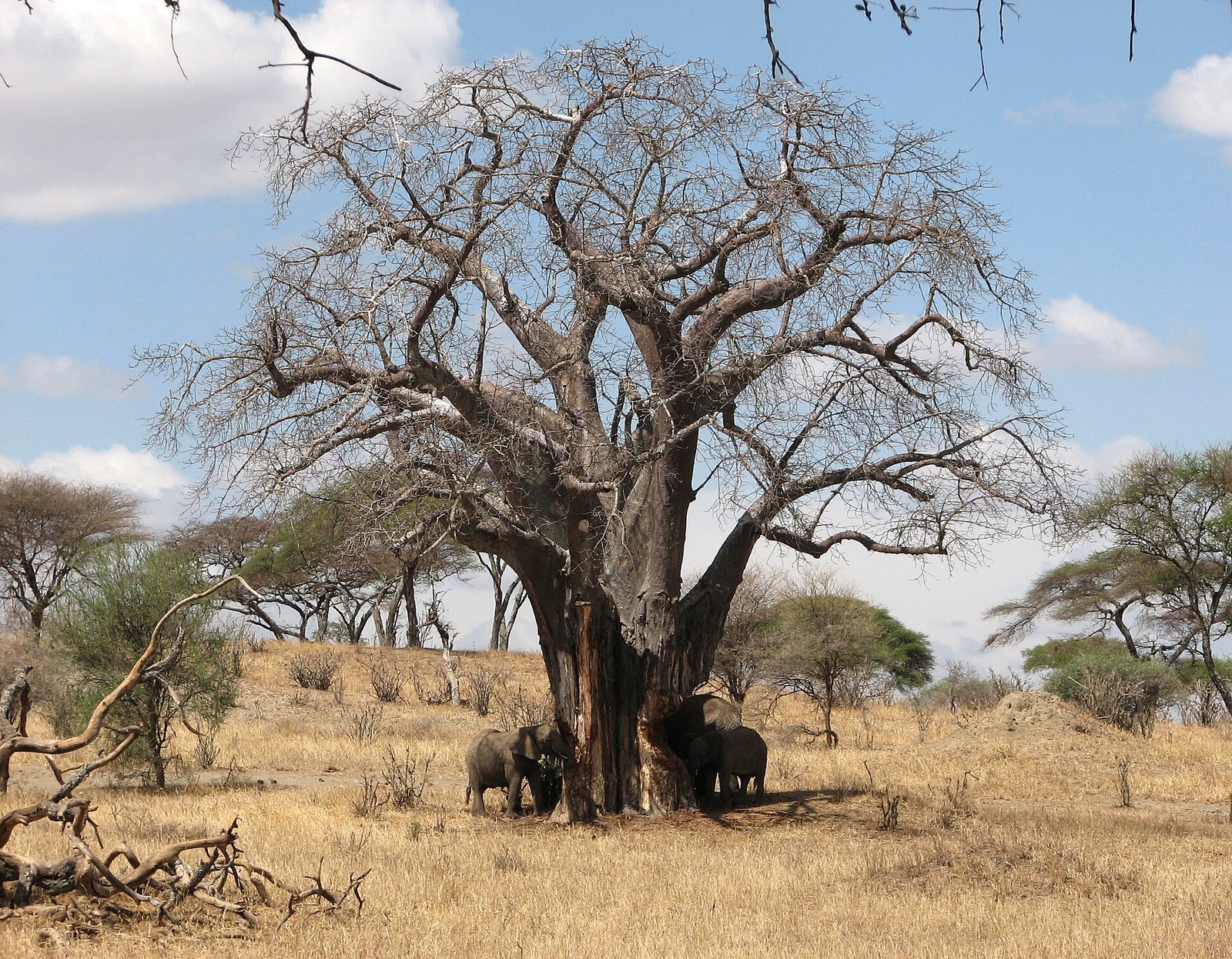
Elephants feeding on baobab bark in Tarangire National Park
Elephants & baobabsThe park’s signature scene

WHY IT’S FAMOUS

A character unlike other northern parks

  • Large elephant herds

    Family groups move through woodland, feed beneath trees, cross clearings or gather near the river. In the dry season they become especially conspicuous, and they can appear against baobabs, golden grass and open savanna.

  • Ancient baobab trees

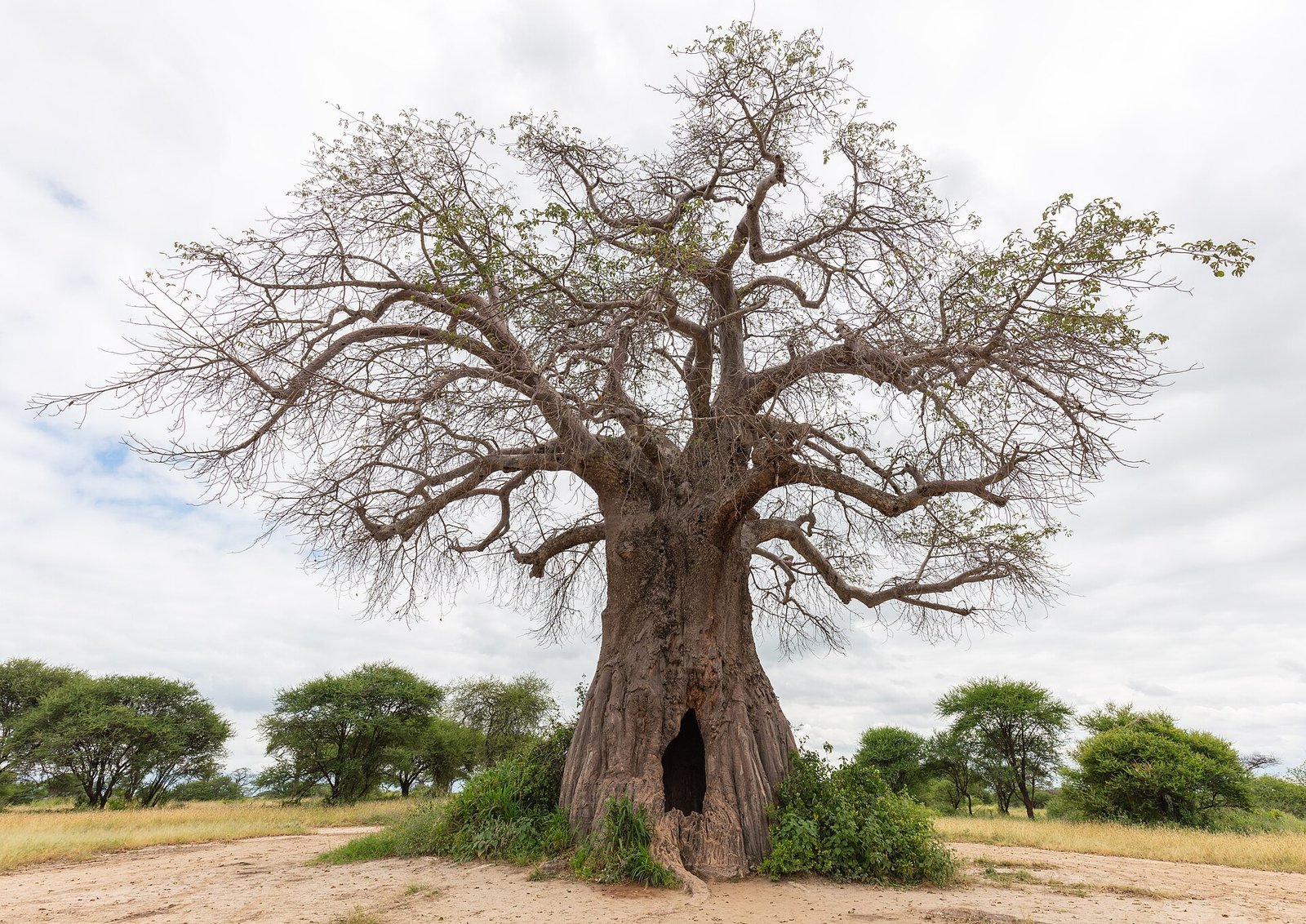
    Thick trunks and unusual branches make striking silhouettes at sunrise and sunset. They provide food, shelter and nesting for animals, birds and insects, and give Tarangire its distinctive identity.

  • The Tarangire River

    As seasonal water sources dry up, animals move toward the river. You may see elephants, zebras, giraffes, buffalo and antelopes, with predators where prey is present, though sightings are never guaranteed.

  • Silale Swamp & seasonal wetlands

    Feeding and water resources that change with rainfall. They may attract elephants, buffalo and water-associated birds, and can be valuable refuges in drier periods.

WILDLIFE

Wildlife in Tarangire

What you see depends on the time of year, recent rainfall, the route taken and the length of your visit.

Elephants

The signature species: individuals, mothers with calves and larger family groups. Guides often explain how they communicate and protect young.

Lions

May rest in shade, cross grassland or follow prey. Early morning and late afternoon drives can be productive. Tree-climbing is never guaranteed.

Leopards

Present but elusive, solitary and well concealed. Do not expect one on every visit.

Cheetahs

May occur in suitable open habitats, but sightings are less predictable.

Buffalo

Can form substantial herds and are key prey animals. Always observe from a safe distance.

Can you see the Big Five? Tarangire is home to elephant, lion, leopard and buffalo, but rhinoceros sightings are not a typical expectation. Travellers who want the Big Five often combine it with Ngorongoro Crater, where black rhinos are present but still hard to spot. Sightings cannot be guaranteed even across several parks.
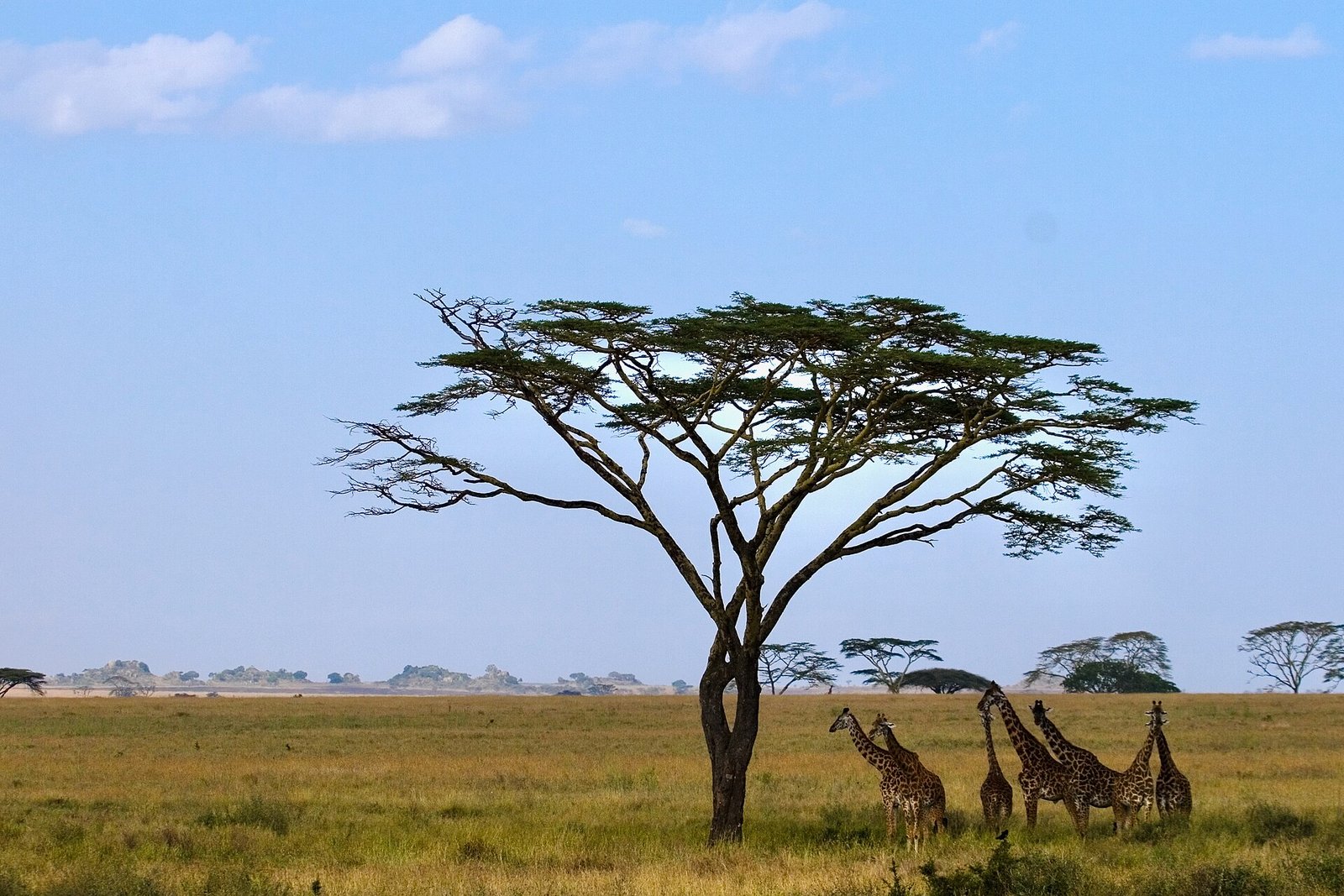
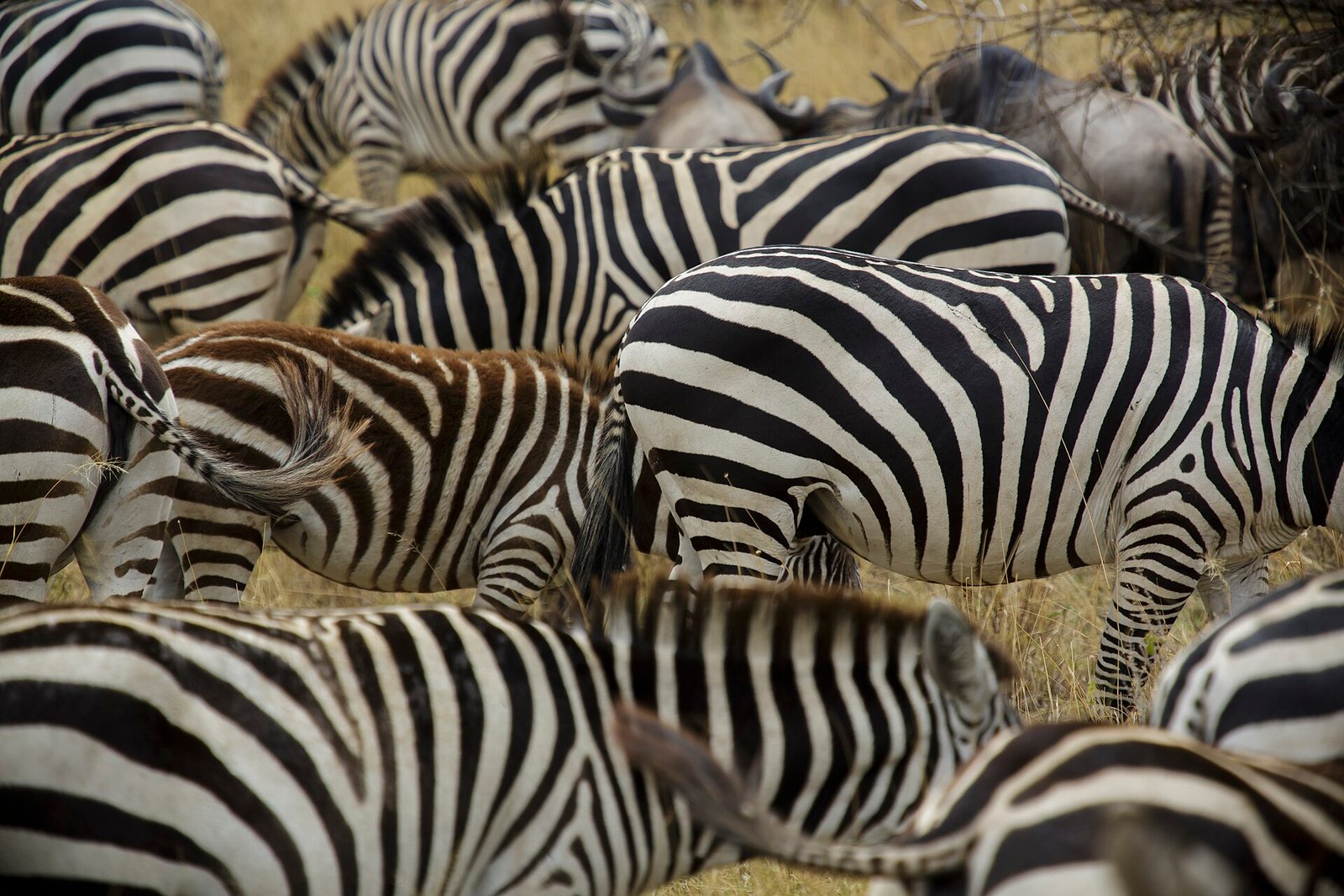
Other mammals

ZebrasWildebeestGiraffesImpalasWarthogsBaboonsAntelope speciesHyenas & other carnivores

Tarangire is not simply an elephant destination. Its habitats support a complex ecosystem, and the variety is part of the experience.

Birdwatching

OstrichesKori bustardsLilac-breasted rollersHornbillsBee-eatersLovebirdsEagles & raptorsStorks & wetland birds

The green season can be especially interesting as seasonal visitors join residents. Allow extra time for slower observation, and bring binoculars and a regional bird guide.

BEST TIME TO VISIT

When to visit Tarangire

It can be visited all year, but the experience changes significantly with rainfall and seasonal movements. The dry season is generally strongest for large concentrations of mammals; other months suit green landscapes, birds and fewer tourists.

Jun – Oct

The main dry season

Generally the most reliable period for concentrated viewing. Animals increasingly use the river and remaining water, improving chances to see elephants and other large mammals.

Best for elephants, game viewing and photography. Book ahead for Jul–Oct.

Nov – Dec

The short rains

Rain refreshes the landscape and animals become more dispersed. Attractive scenery and birdwatching, with less predictable concentrations.

Best for green scenery, birds and flexible schedules.

Jan – Feb

A variable period

A mixture of drier conditions and seasonal rain, depending on the year. Wildlife is present, but distribution differs from the dry-season pattern.

Best for flexible itineraries combining several parks.

Mar – May

The long rains

Greener vegetation and more water, so animals spread across a wider area. Rain can affect unpaved roads.

Best for birdwatching and green-season photography.

Month-by-month overview

Jan – FebVariable, often relatively dry between rainsFlexible wildlife viewing
Mar – MayLong-rain periodGreen scenery and birdlife
JuneStart of the main dry seasonWildlife viewing with seasonal variation
Jul – SepDry-season conditions often well establishedElephants and concentrated game
OctoberOften dry, wildlife gathering near waterGame viewing and photography
Nov – DecShort-rain period, depending on conditionsFresh scenery and birdwatching

General patterns, not a weather forecast. Rainfall and wildlife movements vary from year to year.

THINGS TO DO

Best things to do in Tarangire

Always follow your guide’s instructions and park rules.

Guided game drive

The main way to explore. A guide helps locate animals, explain behaviour and choose routes. Mornings are cooler with active wildlife; afternoons suit animals feeding or approaching water. A full day covers more of the park.

Ancient baobab tree in Tarangire National Park

Elephants & baobabs

Softer light comes early morning and late afternoon. A telephoto lens avoids crowding animals. Never ask drivers to leave roads or disturb wildlife for a better image.

Tarangire National Park landscape with baobab trees

Explore the habitats

River, woodland, grassland and wetlands offer different viewing. The best route depends on season, current sightings, regulations and time available.

Birdwatching safari

Ask your guide to identify species and spend extra time in productive habitats. Bring binoculars and keep a species list.

Guided walking

May be available in authorised locations under supervision, revealing tracks, plants and smaller details. Confirm availability, routes and charges first. Never walk independently among dangerous wildlife.

HOW LONG

How many days do you need?

It depends on your budget, schedule and wildlife interests.

1 day

A rewarding introduction

Suits travellers in Arusha or with limited time. A typical day: early departure, game drives, a designated lunch break, then more viewing. Less flexibility to explore distant areas or wait for sightings.

2 days

A more relaxed visit

More time in different habitats, watching elephants and searching for less-seen species. An overnight stay reduces driving pressure and makes early starts easier.

3+ days

Photographers & birders

Suits a slower pace. For a classic northern itinerary, you may prefer to spread extra days across several parks. One or two days in Tarangire plus Serengeti and Ngorongoro suits many first-timers.

SAFARI COST

How much does a Tarangire safari cost?

It varies with dates, group size, accommodation, transport, park charges and days included. A short day trip from Arusha has a different price structure from a multi-day private safari with luxury accommodation.

Park entry fees

Depend on visitor category, age and the official tariff. Separate charges may apply to vehicles, in-park accommodation, camping and certain activities.

Vehicle & guide

A private 4×4 with a professional driver-guide usually costs more per person for a solo traveller or small group than for a larger group sharing.

Accommodation

Camping, budget lodges, mid-range properties and luxury lodges or tented camps. Location and season can substantially affect rates.

Number of days

A one-day trip needs fewer services than a multi-day itinerary. More days can mean more park charges, meals and transport.

Travel season

Demand and rates often rise in the main dry season. Booking early helps you compare suitable options.

Checking current fees

Do not rely on an old blog post. Review the current TANAPA tariff and ask your operator for an itemised quotation.

A clear quotation should explain

  • Which park fees are included
  • Accommodation and meals
  • Transfers
  • Guide services and activities
  • Which expenses are payable separately

WHERE TO STAY

Where to stay in Tarangire

Accommodation affects both the budget and the rhythm of your safari.
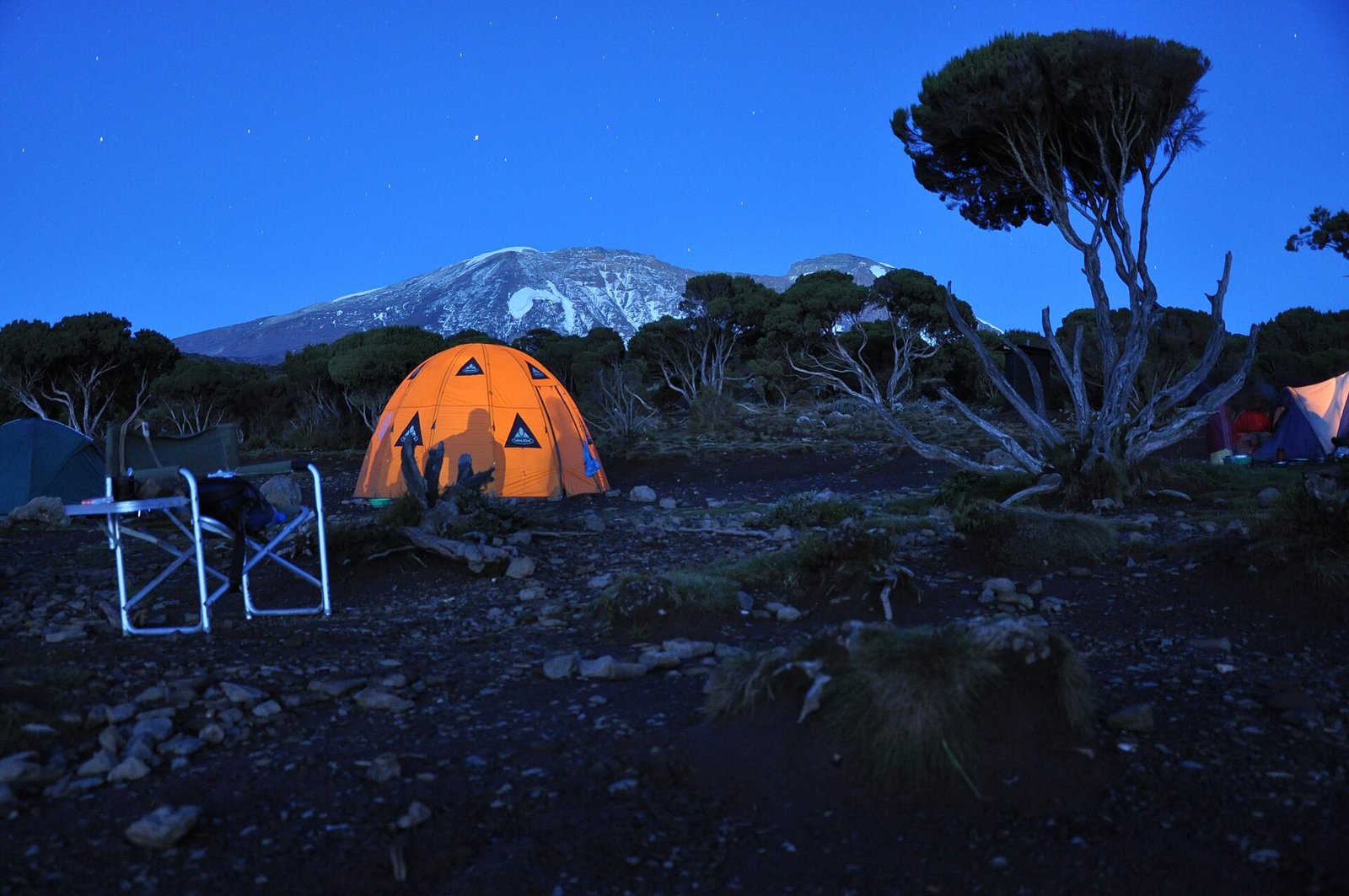
Tents at a campsite at dusk in Tanzania01

Camping

For budget-conscious travellers who want an outdoors-focused trip. Facilities vary by campsite, and some options need extra equipment and meals while organised camping safaris may include a tent, cook and staff.

02

Mid-range lodges & tented camps

A balance of comfort, location and price, possibly with private bathrooms, restaurant service and landscape views. Compare actual location, not the advertised name alone.

03

Luxury lodges & tented camps

Spacious suites or tents, attentive service, quality dining and scenic settings. Seeing animals from a lodge is never guaranteed.

Inside or outside the park? Staying inside reduces the distance to game-viewing areas. Outside may offer more choice or suit a different budget. Compare total cost, gate access, daily driving time and where your activities are. Book early in busy periods.

GETTING THERE

How to get to Tarangire

By road from Arusha

A common option, generally around 2.5 to 3 hours depending on traffic, stops and conditions. Many visitors travel in a 4×4 safari vehicle arranged by their operator.

By air

Charter flights may serve designated airstrips near the park. Availability, baggage limits, schedules and transfers depend on the operator. Flying saves road time but can raise the overall cost.

From other northern destinations

Tarangire fits a multi-park itinerary with Arusha, Lake Manyara, Ngorongoro and Serengeti. Ask your planner to calculate driving times for the actual itinerary, not just distances.

BEFORE YOU GO

Pack well, travel responsibly

Dust can be noticeable in dry periods, while rain may affect roads and comfort in wetter months. Pack for the season and your accommodation.

What to pack

  • Lightweight, comfortable clothing
  • Neutral-coloured clothing for outdoor activities
  • A warm layer for cool mornings
  • Comfortable closed shoes
  • A wide-brimmed hat and sunglasses
  • Sunscreen and insect repellent
  • Binoculars
  • A camera and spare batteries
  • Drinking water and a reusable bottle where suitable
  • Personal medication
  • A small day bag

Bright clothing is not automatically dangerous, but neutral colours are often comfortable for drives and photography. Follow your guide’s advice about insects and local conditions.

Responsible safari travel

  • Keep a safe distance. Elephants and buffalo can be dangerous. Stay in the vehicle except at authorised locations.
  • Do not feed wildlife. It changes behaviour and creates risks.
  • Stay on permitted roads. Do not request off-road driving.
  • Respect other visitors. Avoid noise and blocking vehicles.
  • Choose responsible operators who explain park rules and what a quotation includes.
  • Respect local communities and choose respectfully presented experiences.

COMPARE

Tarangire vs Serengeti vs Ngorongoro

Different safari experiences, so the best choice depends on your interests and time.

Which park? Choose Tarangire for elephants, baobabs and seasonal river-based viewing, Serengeti for expansive savanna and migration experiences, Ngorongoro for crater scenery and diverse wildlife. If time and budget allow, combining all three gives the broadest view of northern Tanzania.

SAMPLE ITINERARY

A northern Tanzania safari framework

A multi-day safari can combine Tarangire with other major destinations. This is a sample, not a fixed itinerary.

  1. Day 1

    Arrive in Arusha

    Transfer to your accommodation and meet your safari team. Depending on arrival time, review the itinerary and prepare for an early departure.

  2. Day 2

    Tarangire National Park

    Guided game drive in search of elephants, giraffes, zebras, antelopes and predators. Stay near or inside the park, depending on the itinerary.

  3. Day 3

    Ngorongoro Conservation Area

    Travel toward Ngorongoro. Depending on itinerary and permits, visit the crater this day or schedule the descent for the next morning.

  4. Days 4–5

    Serengeti National Park

    Game drives in a region chosen by your dates and wildlife interests. Nights and region should reflect your time and the expected seasonal distribution of wildlife.

  5. Day 6

    Continue or return

    Continue your safari, return toward Arusha or connect to another destination, depending on budget and departure arrangements.

Driving distances, park access, accommodation availability and flight schedules must be checked before booking.

FAQ

Frequently asked questions

Quick answers about Tarangire National Park.

Is Tarangire National Park worth visiting?

Yes. Tarangire is an excellent option for travellers interested in elephants, baobab trees, diverse wildlife and seasonal game viewing. It can be visited on a day trip or included in a longer northern Tanzania safari.

What is the best month to visit Tarangire National Park?

June to October is generally a strong period for concentrated wildlife viewing, especially as the dry season progresses. Other months can offer green scenery and good birdwatching, although animal distribution may be more dispersed.

Can I visit Tarangire National Park in one day?

Yes. A full-day safari from Arusha is possible. However, staying overnight can provide more flexibility and reduce the pressure of travelling to and from the park on the same day.

How many elephants can you see in Tarangire?

The number varies by season, location and recent wildlife movements. Tarangire is well known for large elephant concentrations, particularly during the dry season, but the size of a herd on any specific visit cannot be guaranteed.

Is Tarangire good for first-time safari visitors?

Yes. Its large mammals, distinctive scenery and position on the northern circuit make it a suitable choice for first-time visitors. A professional guide can help explain wildlife behaviour and make the experience more informative.

Can I see lions in Tarangire?

Yes, lions live in the park. Sightings depend on where the animals are, the season and the time spent searching. A guide can use recent observations and local knowledge to help locate suitable areas.

Is Tarangire better than Serengeti?

Neither park is universally better. Tarangire is especially known for elephants and baobab landscapes, while the Serengeti is famous for its vast plains, predators and Great Migration. The right choice depends on your interests and travel dates.

Can Tarangire be combined with Ngorongoro?

Yes. The two destinations are commonly included in northern Tanzania itineraries. Combining them offers contrasting landscapes and wildlife-viewing experiences.

Is Tarangire suitable for children?

Many families visit Tarangire, but suitability depends on the child's age, the length of the drive, accommodation rules and the family's comfort with outdoor travel. Discuss child-friendly arrangements and safety requirements with your operator before booking.

What should I wear on a Tarangire safari?

Wear comfortable, lightweight clothing and bring a warm layer for early mornings. A hat, sunglasses, sunscreen and comfortable shoes are useful. Pack rain protection when travelling during wetter months.

Are park fees included in the safari price?

Not always. Some operators quote packages that include applicable park fees, while others may separate certain charges. Ask for a written, itemised quotation and confirm the current official tariff before payment.

Share this guide

This guide is general travel-planning information. Park fees, operating arrangements and activity availability can change, so verify current details with the Tanzania National Parks Authority and your chosen safari operator before travel.