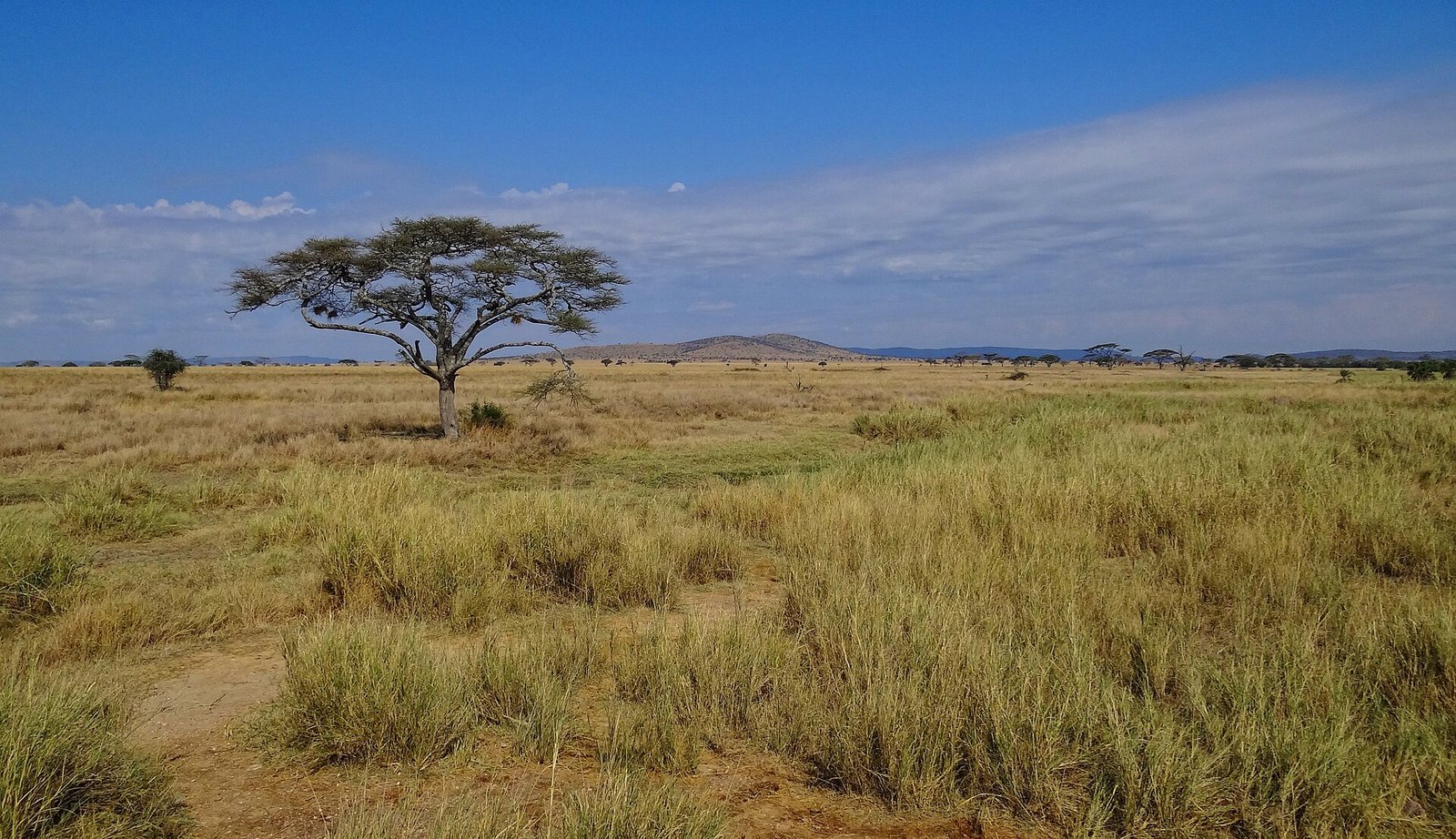
Wide Serengeti savannah landscape under a big sky, Tanzania

Beginner’s guide

Tanzania Safari Guide for First-Time Visitors

Everything You Need to Know

Which parks to visit, the best time to travel, how many days you need, what it costs and how to choose a reliable safari company, so you can plan with confidence.

Jun–OctPopular for wildlife viewing
ArushaBase for the Northern Circuit
5–7 daysA meaningful first safari
4 parksSerengeti, Ngorongoro, Tarangire, Manyara

INTRODUCTION

Plan your first Tanzania safari

Planning a first safari is exciting, and it raises many questions. From the endless plains of Serengeti National Park to the wildlife-rich Ngorongoro Crater, Tanzania offers a chance to see lions, elephants, giraffes, zebras, buffaloes and many other animals in their natural habitats.

This guide answers the questions most beginners ask: which parks, which month, how many days, how much to budget and how to choose a reliable operator. It suits couples, families, solo travellers and friends alike.

At a glance

  1. Best general season: June to October is popular, as vegetation is often thinner and wildlife can be easier to spot.
  2. Classic starting point: Arusha is a convenient base for the Northern Safari Circuit.
  3. Trip length: around 5–7 days for a meaningful northern circuit safari; more time allows a slower pace or a beach extension.
  4. Popular parks: Serengeti, Ngorongoro, Tarangire and Lake Manyara.
  5. Activities: game drives, photography, birdwatching, cultural experiences and, in selected places, hot-air balloon safaris.
  6. Best approach for beginners: a realistic itinerary, a reputable operator and enough time at each destination.

The ideal plan depends on your dates, budget, interests and the wildlife you hope to see. No sighting is ever guaranteed.

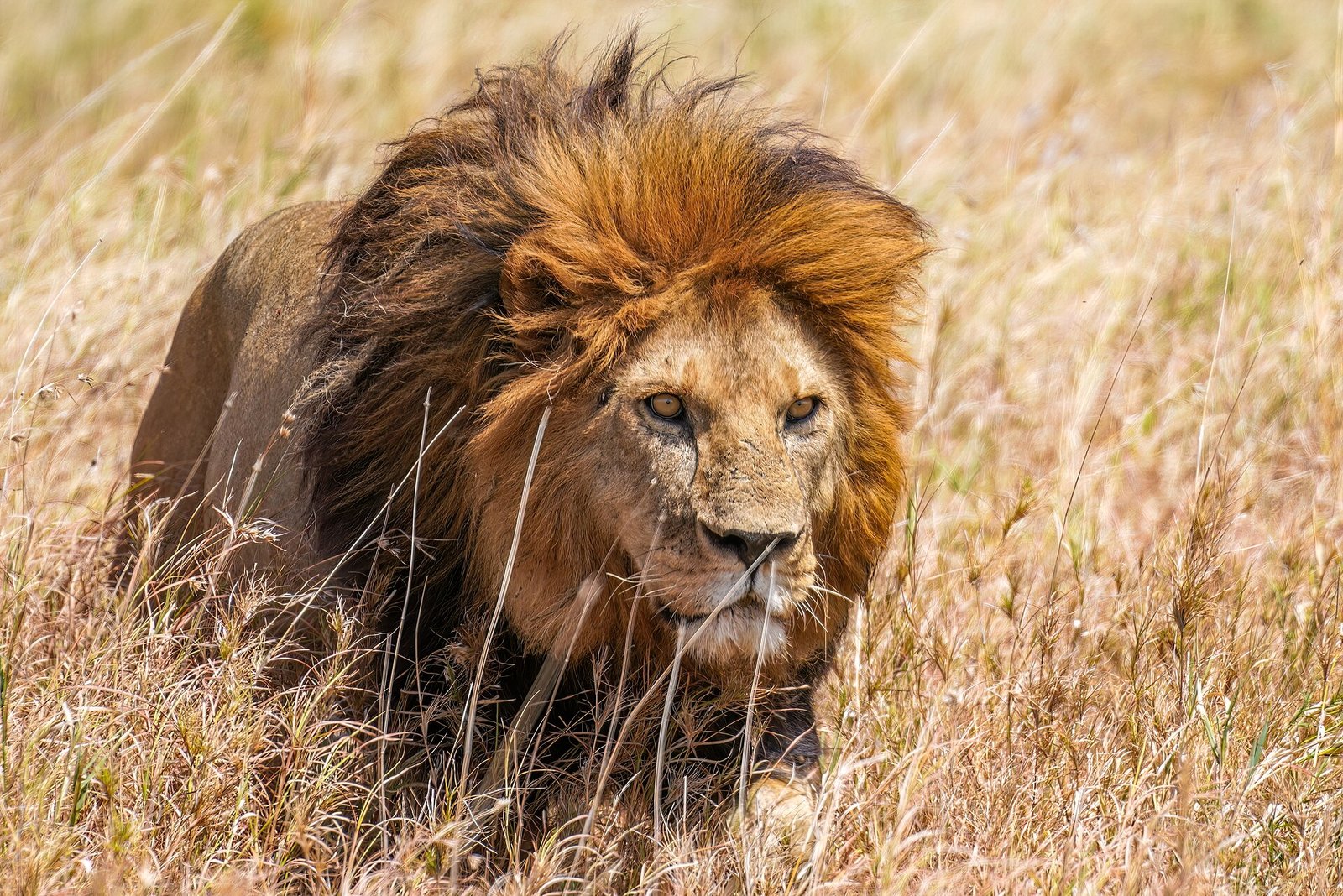
Male lion walking through grassland in Serengeti National Park
The Big FiveSightings are never guaranteed

WHY TANZANIA

Why choose Tanzania for your first safari?

One of Africa’s best-known safari destinations, with a variety of national parks, conservation areas, habitats and landscapes.

  • Exceptional wildlife viewing

    Opportunities to see lions, leopards, elephants, buffaloes and rhinoceroses. Experienced guides help you read animal behaviour and improve your chances. You may also meet giraffes, cheetahs, hyenas, hippos, crocodiles, wildebeest, zebras, antelopes and hundreds of bird species.

  • The Great Wildebeest Migration

    Large herds of wildebeest and zebras move through the Serengeti ecosystem following rainfall, grazing and water. Calving generally occurs in the southern Serengeti around January and February, while river-crossing chances are associated with particular periods farther north. Plan around the likely location of the herds, not fixed dates.

  • Remarkable landscapes

    Open grasslands, ancient baobab trees, volcanic scenery, woodland, crater landscapes and dramatic African sunsets.

  • A safari and beach holiday in one trip

    After the parks, many travellers continue to Zanzibar for white-sand beaches, Stone Town, Swahili cuisine and Indian Ocean activities.

WHICH PARKS

Which Tanzania safari parks should you choose?

You do not need to visit every park. For most first-timers who want classic African wildlife, the Northern Safari Circuit is a practical place to begin.

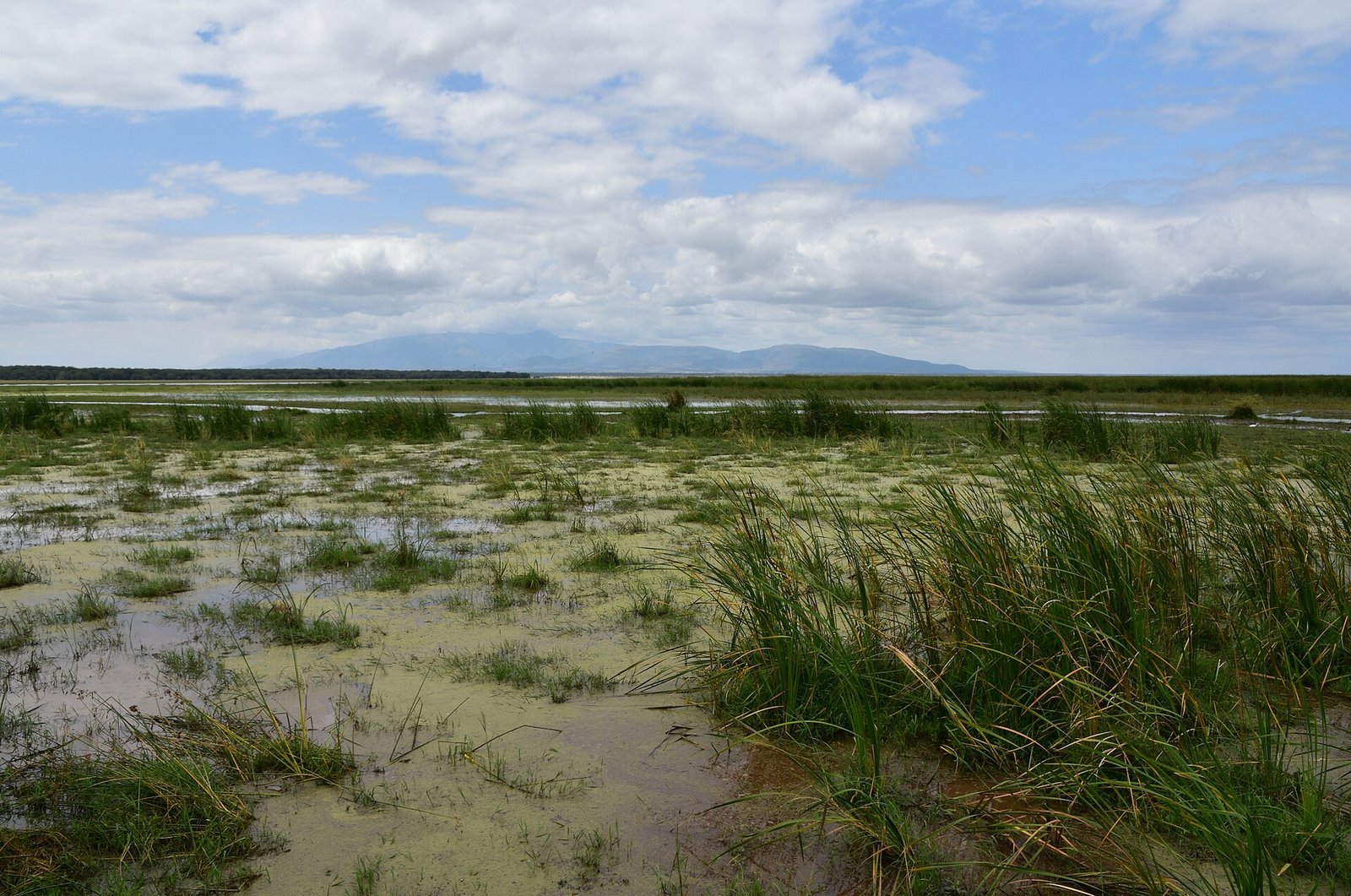
Wide Serengeti savannah landscape under a big sky, Tanzania01

Serengeti National Park

Famous for vast grasslands, large wildlife populations, predators and the Great Migration. Its habitats support wildlife all year, though the experience changes with season and location.

Best for: first-timers, photography, big cats, the Migration. Stay: 2–3 nights for an introduction.

Serengeti guide
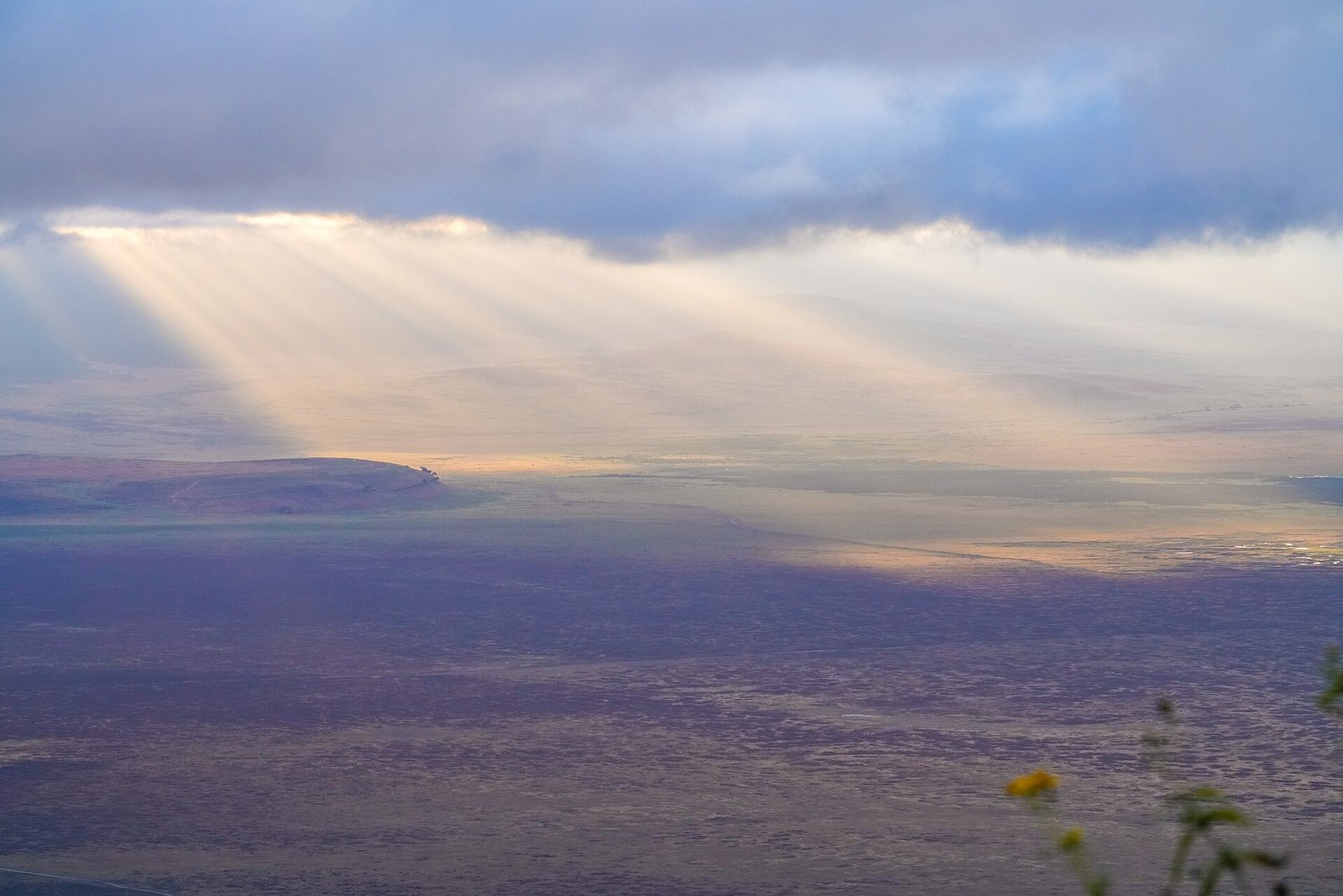
Sunlight breaking through clouds over the floor of the Ngorongoro Crater02

Ngorongoro Conservation Area

Renowned for the Ngorongoro Crater, a volcanic caldera with a high concentration of wildlife. Lions, buffaloes, elephants, zebras and, with luck, the endangered black rhinoceros. It has its own management and rules, so check fees and arrangements.

Best for: dramatic scenery and concentrated wildlife. Stay: usually 1–2 nights nearby.

Ngorongoro guide
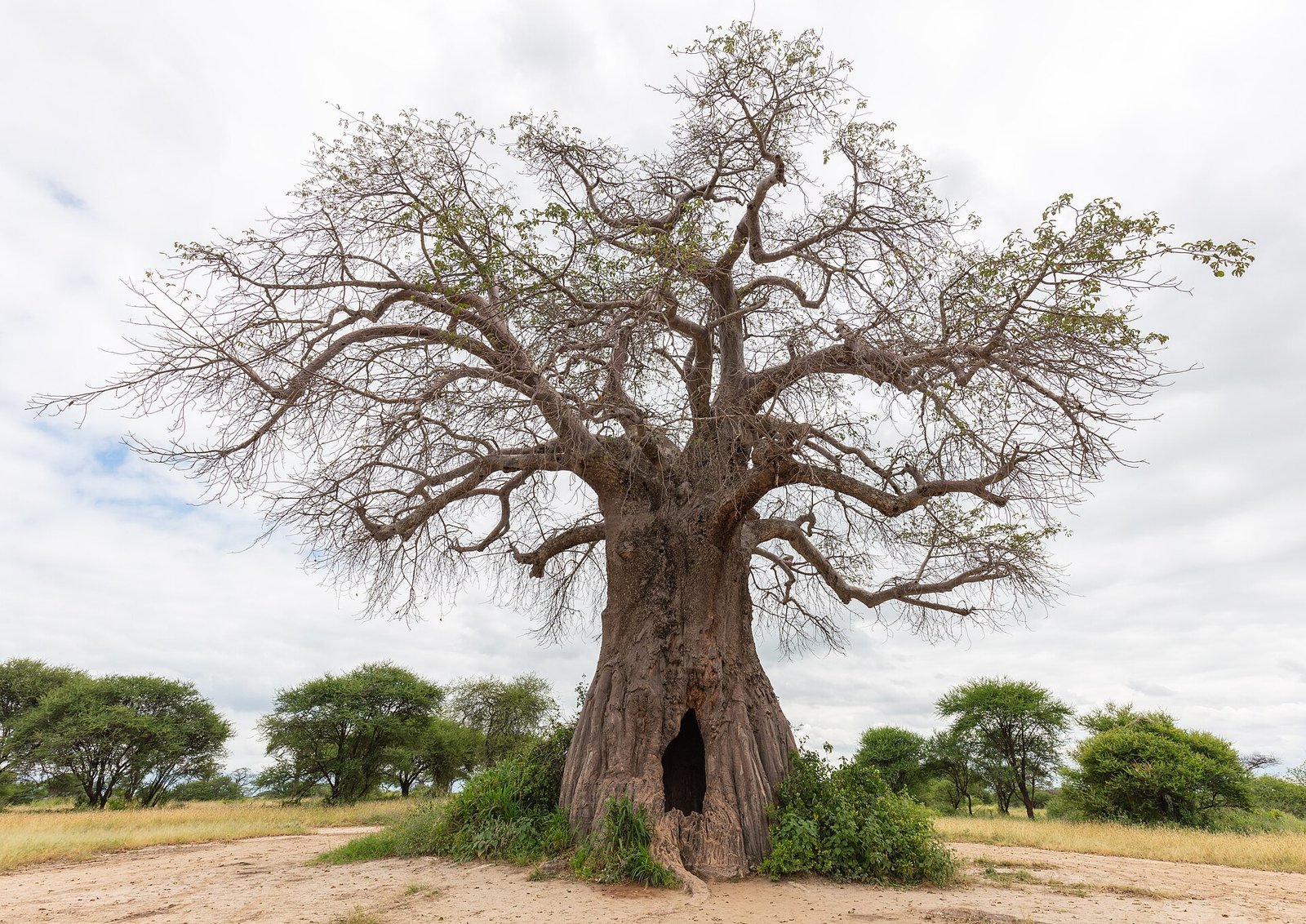
Ancient baobab tree in Tarangire National Park03

Tarangire National Park

Known for elephants, baobab trees, seasonal wildlife movements and savannah scenery. In the dry season animals often concentrate around remaining water, and it is rewarding for birdwatching and photography.

Best for: elephants, baobabs, birds, a quieter feel. Stay: 1–2 nights.

Tarangire guide
Lake Manyara National Park landscape beneath the Rift Valley escarpment04

Lake Manyara National Park

A different environment from the open plains: woodland, groundwater forest and lake-edge areas. Known for birdlife, elephants and baboons. Lions are present, but tree-climbing lions are not guaranteed.

Best for: birders, scenery, shorter drives. Stay: a day visit can suit some itineraries.

Manyara guide

Which park combination is best?

  • 3–4 days: a focused itinerary rather than too many distant destinations.
  • 5–7 days: selected parks such as Tarangire, Serengeti and Ngorongoro, adding Lake Manyara where it fits.
  • 8–10 days: the northern circuit at a slower pace, or more time in the Serengeti.
  • 10+ days: extend with Zanzibar, Mount Kilimanjaro activities or another destination.

A good itinerary balances wildlife viewing with realistic driving times. More parks do not automatically mean a better safari.

BEST TIME

What is the best time for a Tanzania safari?

Tanzania can be visited all year, but weather, wildlife movements, road conditions, availability and prices vary by season.

Jun – Oct

The dry season

Widely recommended for general wildlife viewing. Vegetation is often thinner and animals may gather near rivers and water. Good for photography, but a busy period when lodges and camps may need booking well ahead.

Jan – Feb

Calving season

The southern Serengeti is often important during wildebeest calving, with young animals and the predators that follow. Exact location and timing depend on rainfall and grazing. Green landscapes too.

Nov – Dec

The short rains

Greener scenery and changing wildlife conditions. Rain does not necessarily prevent a good safari, but some roads can become muddy. Appeals for landscapes and birdlife.

Mar – May

The long rains

Lush vegetation, dramatic skies and fewer visitors in some areas, but heavy rain may affect roads, transfers and access to certain camps. Some properties close seasonally.

Dry or green season? Choose the dry season if straightforward wildlife viewing is the priority. Consider the green season for lush scenery, birdwatching or quieter destinations. If the Great Migration is your reason to visit, plan around its likely location on your dates; no single month guarantees every migration experience.

HOW LONG

How many days do you need?

It depends on your arrival airport, distances between parks, how many game drives you want and whether you add Zanzibar.

3–4 days

A short safari

Works with limited time. Focus on a few nearby destinations and avoid spending most of the trip travelling between parks.

5 days

A rewarding introduction

A good taste of the Northern Circuit. Your operator can pick a combination based on arrival time, interests and departure plans.

7 days

More flexibility

Allows Tarangire, Serengeti and Ngorongoro with extra time for game drives and overnight stays.

10+ days

A slower pace

More time in the Serengeti, a wider choice of destinations or a Zanzibar beach extension.

Remember to include arrival and departure arrangements: an international arrival day is not always a full safari day.

SAMPLE ITINERARIES

Sample Tanzania safari itineraries for first-timers

Starting points, not fixed packages. Driving times, overnight locations and activities should be confirmed for your dates.

Three-day safari

  1. Day 1

    Arusha area to Tarangire National Park for a game drive, then overnight nearby.

  2. Day 2

    Travel towards the Ngorongoro area, with a suitable wildlife or scenic stop on the way.

  3. Day 3

    Ngorongoro Crater game drive if permitted by your confirmed arrangements, then return to the Arusha area.

Compact, with trade-offs. Not the best choice for travellers who want several days in the Serengeti.

Five-day safari

  1. Day 1

    Arrive in the Arusha area, meet your safari team and prepare.

  2. Day 2

    Explore Tarangire National Park and stay nearby.

  3. Day 3

    Travel to Serengeti National Park, with wildlife viewing where time and park rules permit.

  4. Day 4

    A full day exploring the Serengeti.

  5. Day 5

    Ngorongoro Crater if route and schedule allow, then continue to your departure point or overnight destination.

May need adjusting to avoid rushing the crater visit or the return journey.

Seven-day safari

  1. Day 1

    Arrive and transfer to your accommodation.

  2. Day 2

    Explore Tarangire National Park.

  3. Day 3

    Travel to the Serengeti, with wildlife viewing along the way where practical.

  4. Day 4

    A full day of Serengeti game drives.

  5. Day 5

    Continue in the Serengeti, choosing the area by wildlife conditions.

  6. Day 6

    Travel towards the Ngorongoro area and prepare for the next day.

  7. Day 7

    Crater game drive if included in your confirmed plan, then continue to your departure.

With a late international flight, confirm the last day leaves enough time to reach the airport; you may need an extra night.

SAFARI COST

How much does a Tanzania safari cost?

There is no single price. The total depends on trip length, parks visited, season, accommodation category, transport and how many travellers share the costs.

Accommodation

Public campsites, tented camps and luxury lodges differ in rates and service.

Vehicle & guide

A private vehicle offers flexibility but can cost more per person when only one or two travel. Shared departures may reduce individual costs when available.

Park & conservation fees

Each destination has applicable charges, and some activities carry extra fees. Amounts and rules can change.

Travel season

Peak periods can increase demand for accommodation and flights.

Internal flights

Flying between destinations can reduce road travel but may increase the overall cost.

Extras & separate costs

Balloon safaris, cultural visits and specialist experiences may cost extra. International flights and insurance are often separate from the package.

A written quotation should clearly explain

  • The number of safari days and nights
  • Parks and conservation areas included
  • Accommodation names or agreed alternatives
  • Whether meals, drinking water and transfers are included
  • Whether park entry, conservation and activity fees are included
  • Whether vehicle and guide are private or shared
  • Airport transfers and domestic flights, if any
  • Exclusions, payment deadlines, cancellation and refund terms

Compare quotations by what is included rather than choosing solely by the lowest headline price.

CHOOSING A COMPANY

How to choose a reliable Tanzania safari company

Choosing the right operator is one of the most important decisions for a first-time visitor.

Verify the operator

Check the company’s identity, relevant licences and authorisations, business contact details and recent reviews. Where appropriate, ask for evidence of the licences and registrations its activities require.

A professional website alone is not proof that a company is licensed or reliable.

Read reviews carefully

Look for detailed, recent reviews that discuss the guide, vehicle, accommodation, communication and how problems were handled. A large number of short, repetitive reviews should not be your only basis.

Get everything in writing

The final itinerary and quotation should identify the services you are buying. Confirm changes in writing before further payments, use secure payment arrangements and make sure the beneficiary matches the business or payment provider you have verified.

Ask clear questions

  1. 1Which company will operate the safari on the ground?
  2. 2Will the safari be private or shared?
  3. 3Which vehicle type will be used?
  4. 4Who will be the guide, and what experience do they have?
  5. 5Which accommodation properties are included?
  6. 6What happens if weather or road conditions change the itinerary?
  7. 7What are the payment, cancellation and refund policies?
  8. 8Is there an emergency contact during the trip?

WHAT’S INCLUDED

What is included in a Tanzania safari package?

Packages differ, so never assume every service is included. Always check the exact inclusions and exclusions in your quotation.

A typical guided package may include

  • A safari vehicle and driver-guide
  • Game drives listed in the itinerary
  • Accommodation for the specified nights
  • Meals according to the package
  • Drinking water during agreed activities
  • Transfers listed in the quotation
  • Park and conservation fees, where expressly included

Items that may be excluded

  • International flights and visas
  • Travel insurance
  • Tips
  • Alcoholic beverages and laundry
  • Optional activities
  • Accommodation before or after the safari

PACKING LIST

What to pack for your first Tanzania safari

You do not need an entirely new wardrobe. Comfortable, practical clothing and sun protection matter more than expensive equipment.

Clothing

  • Lightweight, breathable shirts and trousers
  • Neutral or muted colours for comfort and photography
  • A warm layer for cool mornings and evenings
  • A waterproof jacket in rainy periods
  • Comfortable walking shoes
  • Hat or cap and sunglasses

Personal essentials

  • Sunscreen and insect repellent
  • Personal toiletries
  • Any prescription medicines you need
  • A small first-aid kit
  • Reusable water bottle, where suitable for the operator’s arrangements

Photography

  • Camera or smartphone
  • Spare batteries and memory cards
  • Binoculars for distant animals and birds
  • A power bank and charging equipment

Check baggage limits. Small safari aircraft may have stricter allowances than international airlines, so confirm weight and bag-size limits for any domestic flights before packing.

A DAY ON SAFARI

What is a typical day on safari like?

A safari day often starts early, because wildlife may be active in the cooler morning hours.

  • Morning game drive

    After breakfast you head out with your guide. The drive may focus on locating predators, watching elephants, observing birds or exploring a particular habitat.

  • Midday

    Depending on your package, you may return to camp for lunch and rest, or take a packed lunch and stay in the park for a longer drive.

  • Late-afternoon drive

    Another opportunity for wildlife viewing and photography in softer light.

  • Evening

    Back at your accommodation you can enjoy dinner and prepare for the next day.

Not every day follows the same schedule. Park regulations, gate times, weather, driving distances and wildlife conditions influence the timing.

SAFETY & WEATHER

Is a Tanzania safari safe for first-timers?

A guided safari can be a well-organised experience, but wildlife areas need care and respect for the rules.

Follow these precautions

  • Listen to your guide and follow instructions
  • Stay inside the vehicle unless your guide confirms leaving it is permitted
  • Never approach, feed or touch wild animals
  • Keep a safe distance from wildlife
  • Follow park rules on driving, speed and off-road travel
  • Keep valuables secure and follow local advice in towns and cities
  • Carry appropriate travel insurance and emergency contacts

Consult a qualified travel-health professional before departure about vaccinations, malaria prevention and other precautions for your itinerary and circumstances. Confirm entry requirements, visas and any health or insurance requirements through official sources.

What to know about the weather

Tanzania has varied climates because of its size, elevation and geography. Conditions in the Serengeti are not necessarily the same as on Mount Kilimanjaro or the Zanzibar coast.

Even in warmer months, early mornings and evenings in safari areas can be cool. Highland destinations can be much colder, especially during a mountain trek. Rain can affect roads and wildlife movements, and coastal areas may be humid.

Check the forecast for the specific areas you will visit shortly before departure, and pack for changing conditions rather than average temperatures.

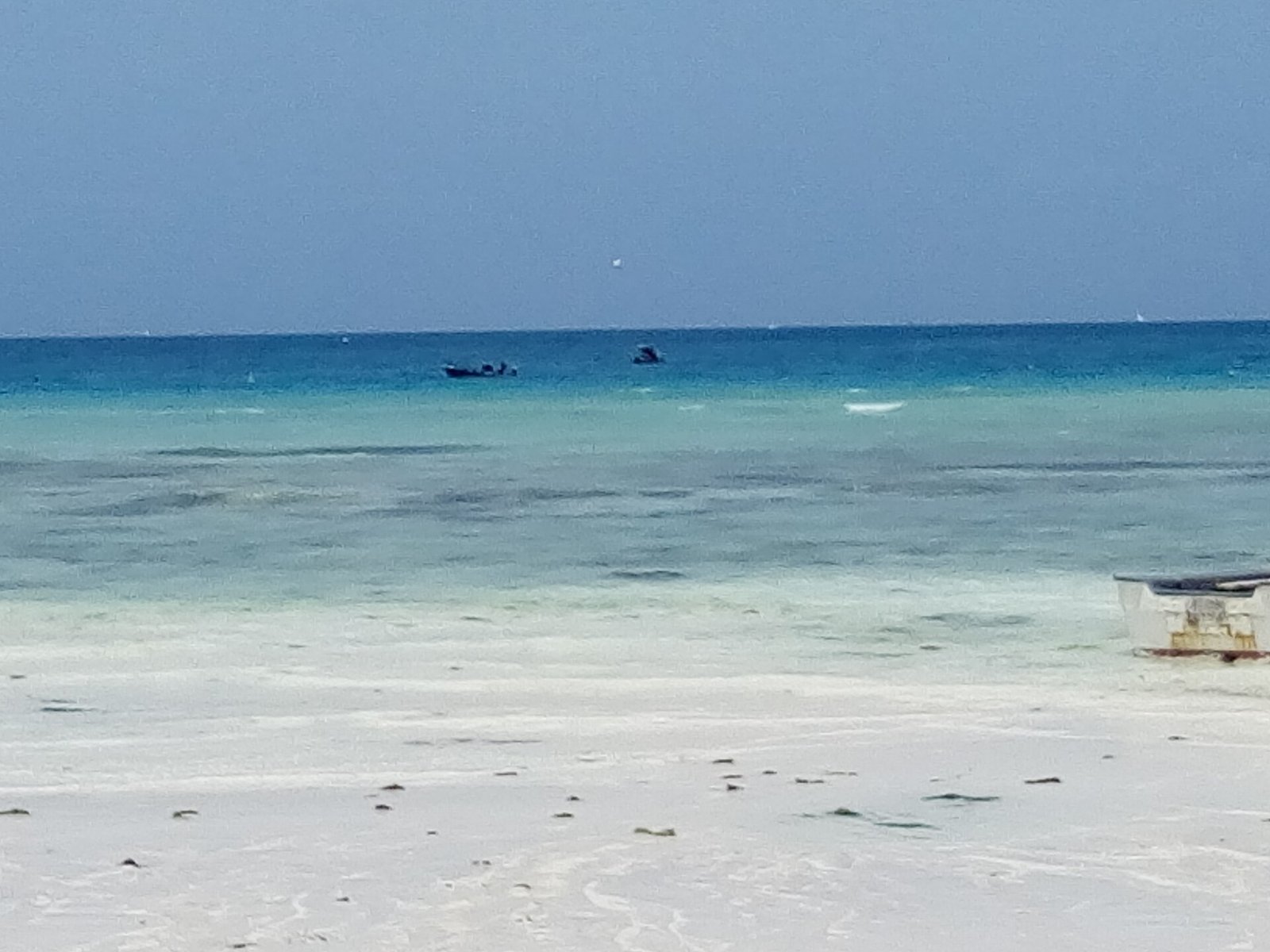
White sand beach and calm sea at Nungwi, Zanzibar
ZanzibarBeaches & Stone Town

SAFARI + BEACH

Can you combine a Tanzania safari with Zanzibar?

Yes. After several days of wildlife viewing, travel to Zanzibar for beaches, Stone Town, spice tours, snorkelling, diving and cultural experiences.

A practical plan is to give the main part of your trip to the safari and add several nights in Zanzibar if your schedule allows. You can travel between safari destinations and Zanzibar by suitable scheduled or charter flights, depending on route and availability; your operator or travel agent can help coordinate transfers.

Zanzibar has destination-specific entry and insurance arrangements that may differ from mainland Tanzania. Confirm the latest official requirements before departure.

Read the Zanzibar guide

AVOID THESE

Common mistakes first-time safari visitors make

  • Trying to visit too many parks

    Long distances reduce time for game drives. Choose a route that lets you enjoy the parks rather than pass through them.

  • Expecting guaranteed sightings

    Wild animals move freely. No ethical safari company can guarantee every sighting, including the Big Five or a specific migration event.

  • Choosing only by price

    An unusually low quotation may exclude important services or involve compromises. Check accommodation, vehicle, fees and operator credentials.

  • Ignoring travel times

    A journey between destinations can take longer than expected because of roads, park activities and stops. Allow time for transfers and airport connections.

  • Packing too much

    Excess baggage is inconvenient, especially with small aircraft. Check weight and bag-size limits before travelling.

  • Leaving bookings too late

    Popular accommodation and specialist activities can fill up in busy periods. Reserve early when your dates are fixed.

  • Not reading the cancellation policy

    Understand the conditions for deposits, final payments, changes and cancellations before you pay.

RESPONSIBLE TRAVEL

Responsible safari travel in Tanzania

Responsible tourism helps protect wildlife habitats and supports the communities whose lives are connected to tourism.

  • Select a reputable operator that follows conservation rules
  • Respect wildlife distances and never feed animals
  • Stay on authorised routes and follow park regulations
  • Ask permission before photographing people
  • Support locally owned businesses and community-led experiences where appropriate
  • Reduce waste and use resources responsibly
  • Avoid activities that involve wildlife harassment or exploitation

A good safari respects both the natural environment and the people who call Tanzania home.

FAQ

Frequently asked questions

Quick answers about Tanzania safaris.

Is Tanzania good for a first safari?

Yes. Tanzania offers established safari routes, a wide choice of accommodation and opportunities to explore several different wildlife habitats. A carefully planned itinerary with a reputable guide can make the experience easier for beginners.

What is the best Tanzania safari for first-time visitors?

A northern circuit safari combining selected destinations such as Tarangire, Serengeti and Ngorongoro is a popular starting point. The best combination depends on your travel dates, budget and available time.

How many days are enough for a Tanzania safari?

Five to seven days is a useful starting point for many first-time visitors to the Northern Circuit. Shorter trips are possible, while longer trips allow more time for wildlife viewing and additional destinations.

What is the best month to visit Tanzania for a safari?

June to October is popular for general wildlife viewing, while January and February can be particularly rewarding for the wildebeest calving period in the southern Serengeti ecosystem. The best month depends on your interests and the locations you plan to visit.

Can I see the Big Five in Tanzania?

Tanzania is home to all five members of the African Big Five. However, seeing all five during one trip is not guaranteed, and sightings depend on location, timing and wildlife behaviour.

Is a private or group safari better?

A private safari offers more flexibility over timing, stops and pace, but may cost more per person. A group safari can reduce costs if a suitable departure is available, although the schedule and arrangements are shared.

Do I need a guide for a Tanzania safari?

A knowledgeable guide is highly recommended for first-time visitors because guides provide wildlife knowledge, help with spotting animals and manage practical aspects of the trip. Certain activities also have specific guiding requirements.

Can I visit Serengeti and Ngorongoro on the same trip?

Yes. They are commonly combined in a northern circuit itinerary. The time available, the route and the cost determine how comfortably they fit into your trip.

Can I visit Tanzania on a limited budget?

Yes, depending on your travel dates, accommodation choices, group size and route. Compare the full cost of shared and private options, and verify exactly what each quotation includes.

Is Zanzibar part of a Tanzania safari?

Zanzibar is part of the United Republic of Tanzania, but it is a separate island destination from the mainland safari parks. Many travellers combine the two for a wildlife-and-beach holiday.

Share this guide

This guide provides general travel information. Park fees, rules, activity availability, entry and health requirements can change. Confirm current details with the Tanzania National Parks Authority, official government sources and your chosen operator before travelling.

0

Comments 0

Your email address will not be published. Please keep comments kind and relevant.

No comments yet. Be the first to share your thoughts.