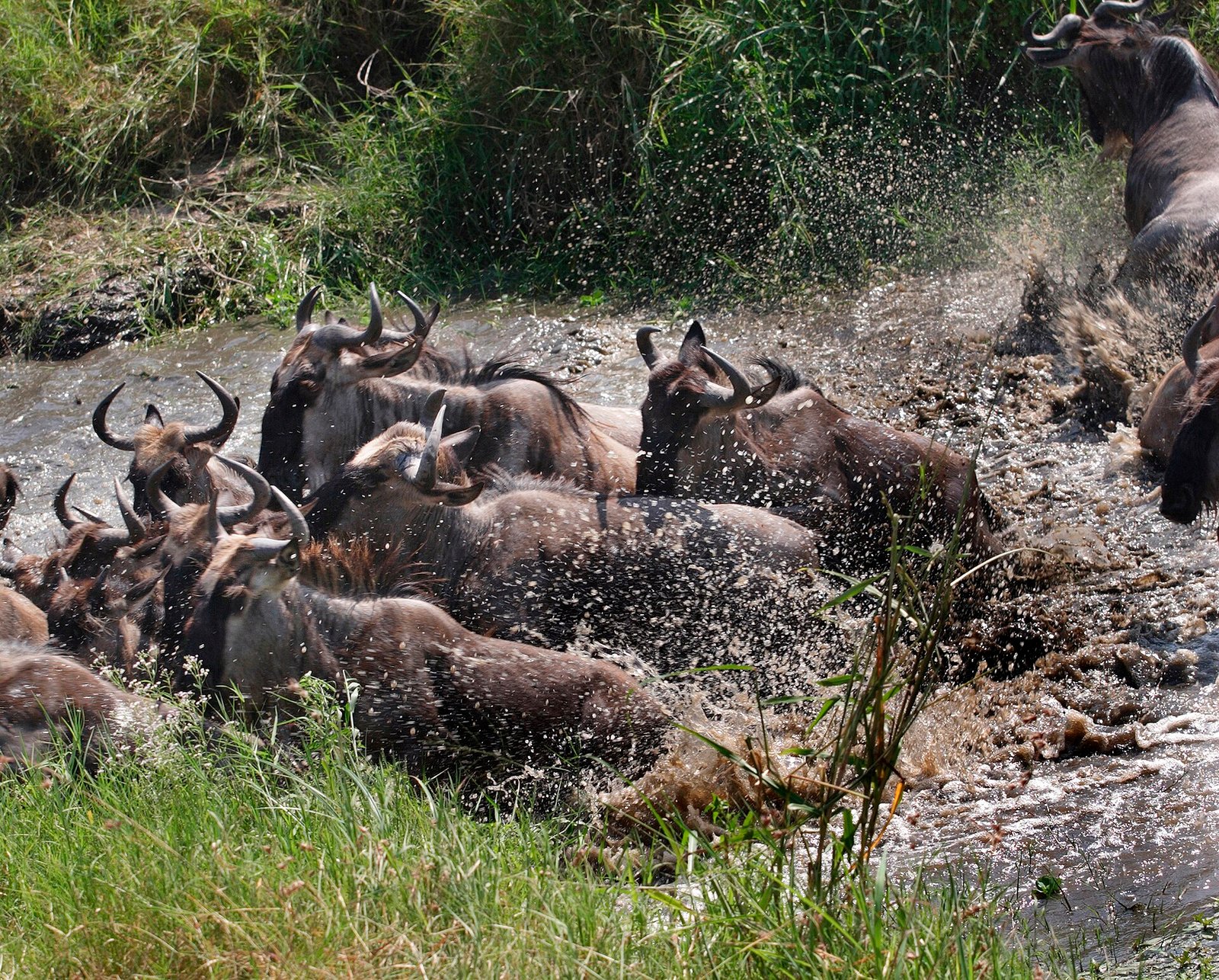
Great Migration herds in the Serengeti

Month-by-month guide

Best Time to Visit Tanzania

A Month-by-Month Guide

Weather, wildlife, the Great Wildebeest Migration, Kilimanjaro and Zanzibar, month by month, so you can choose dates that match what you want to experience.

Jun–OctClassic dry-season safari
Jan–FebCalving in the southern Serengeti
Jun–Oct, Jan–FebPopular for Zanzibar
Jan–Mar, Jun–OctCommon Kilimanjaro periods

INTRODUCTION

The best time depends on what you want to see

Tanzania offers wildlife, landscapes, mountain adventures and tropical beaches, and every part of the country offers a different experience. So when is the best time to visit? It depends on what you want to experience.

June to October is generally one of the best periods for traditional wildlife safaris, as conditions are often drier and animals can be easier to spot. January and February attract travellers interested in wildebeest calving in the southern Serengeti, while Zanzibar offers appealing beach conditions in several periods of the year.

At a glance

  1. Overall best period: June to October, especially if wildlife viewing is your priority. The dry season often brings thinner vegetation and less surface water.
  2. Calving: January and February in the southern Serengeti ecosystem; timing varies.
  3. Green season: lush scenery and rewarding birdwatching, with possible savings on some dates.
  4. Year-round: Tanzania can be visited in any month; your ideal period depends on destinations, budget, weather expectations and wildlife goals.

These are general seasonal patterns, not guarantees. Rainfall, wildlife movements, road conditions and availability vary from year to year.

BY TRAVEL INTEREST

Best time to visit Tanzania by interest

Pick the experience that matters most, then match it to the recommended period.

General wildlife viewingJune–October
Great Migration river-crossing chances, northern SerengetiUsually July–October, depending on herd movements
Wildebeest calving, southern Serengeti ecosystemUsually January–February, timing varies
Elephant viewing in TarangireOften June–October
Birdwatching and green landscapesNovember–April, depending on location
Mount Kilimanjaro climbingCommonly January–March and June–October
Zanzibar beach holidayJune–October and January–February are popular
Potentially quieter safari conditionsSome periods in March–May and November, depending on destination
Lower accommodation ratesPossible in selected low-season dates; discounts are not guaranteed

Rainfall, wildlife movements, road conditions and accommodation availability can vary from year to year.

THE SEASONS

Understanding Tanzania’s seasons

Climate varies by region, altitude and closeness to the Indian Ocean, so the northern parks, southern wilderness, mountain slopes and Zanzibar coast do not always have the same weather. Many northern destinations have short rains around November–December and long rains around March–May, with drier conditions June–October and often January–February.

The dry season: June to October

Popular for wildlife safaris. As vegetation thins and water becomes limited in some areas, animals may gather around rivers and remaining water.

  • Good wildlife viewing in many parks
  • Generally favourable game-drive conditions
  • Northern Serengeti during parts of the migration cycle
  • Popular for photography and outdoor activities

Demand is the main consideration: lodges and camps fill fast and prices may be higher. Early mornings, especially in the Ngorongoro highlands, can be cold.

The green season: November to May

Includes the short rains, the calving period and the long rains. Rain can create green plains, dramatic skies and good landscape photography, and migratory birds are present in many areas.

  • Lush scenery and photography
  • Calving in the right months and places
  • Excellent birdwatching in many habitats
  • Potentially fewer visitors and possible savings on some dates

Heavy rain can affect roads, access and outdoor activities, and some remote camps close seasonally.

MONTH BY MONTH

Best time to visit Tanzania, month by month

What to expect, where to go and who each month suits best.

January

Wildlife, warm weather, green landscapes

Can be excellent, especially for the southern Serengeti ecosystem. Herds often gather around the southern plains and Ndutu during calving; precise timing depends on rainfall and grazing. Can also suit Zanzibar, though conditions are tropical and showers are possible.

Best destinations: Southern Serengeti and Ndutu, Ngorongoro, Tarangire or Manyara.

Best for: Wildlife photography, calving-season trips, couples, green scenery.

February

One of the best months for calving

Often among the most rewarding months for wildebeest calving in the southern Serengeti ecosystem. Many young are born, attracting lions and hyenas, though specific sightings are never guaranteed. Warm, with varying rainfall.

Best destinations: Southern Serengeti and Ndutu, Ngorongoro, Zanzibar extension.

Best for: Calving safaris, predator photography, birdwatching, wildlife plus coast.

Book suitable accommodation early if calving is a priority.

March

Green scenery, changing conditions

A transitional month as the long rains approach or begin in many northern areas. Early March can still be rewarding, but rainfall matters more. The southern Serengeti may still offer migration opportunities, though herd locations change.

Best destinations: Serengeti (depending on herds and roads), Ngorongoro, birdwatching destinations.

Best for: Travellers who enjoy green landscapes and have flexible plans.

Confirm road conditions, camp opening dates and contingency plans.

April

The long rains and quieter travel

Generally within the long rains: some days bring heavy rain and muddy roads. Wildlife remains present and the scenery can be beautiful, but conditions are less predictable. Some camps close seasonally.

Best destinations: Flexible routes chosen with your operator.

Best for: Flexible travellers, birdwatchers, green-scenery lovers.

Ask about seasonal closures, road conditions, cancellation terms and alternative routes.

May

Lush landscapes, easing towards the dry season

Usually still long-rain season, though it varies. Particularly green landscapes and lower visitor numbers at some destinations, but rain can still affect game drives and transfers. Some areas begin drying later in the month.

Best destinations: Routes confirmed with your operator.

Best for: Flexible travellers, quieter experiences, potentially lower rates.

Compare actual quotations and confirm which lodges and camps are operating.

June

The start of the popular dry season

A strong month for many safaris. Conditions often become drier and viewing improves as vegetation thins. Migration herds may be moving through central or western areas towards the north, and Tarangire grows more attractive.

Best destinations: Serengeti, Tarangire, Ngorongoro, Lake Manyara.

Best for: First-time visitors, photography, favourable general game viewing.

A good compromise between the start of the busy season and later peak months.

July

Peak season, northern Serengeti interest

A popular month with often excellent game viewing. The migration may be moving through the northern Serengeti, but crossings depend on herd movements, rainfall, river conditions and behaviour, and cannot be guaranteed on a given date.

Best destinations: Northern and central Serengeti, Ngorongoro, Tarangire.

Best for: First-time visitors, school-holiday families, migration interest.

Busy: reserve accommodation and services well in advance.

August

Excellent for classic safaris

One of the most popular months. Dry conditions often make wildlife easier to locate, and the northern Serengeti may offer migration opportunities. River crossings may occur, but timing and location vary.

Best destinations: Northern and central Serengeti, Ngorongoro Crater, Tarangire.

Best for: Big Five searches, classic itineraries, photography, family trips.

Expect strong demand; check whether your package includes the Serengeti area you want.

September

Dry-season wildlife viewing

Generally favourable in many northern parks. As the dry season progresses animals may concentrate near water; Tarangire is well known for seasonal elephant concentrations. Can also suit a Kilimanjaro climb, depending on route and weather.

Best destinations: Serengeti, Tarangire, Ngorongoro, selected southern circuit parks.

Best for: Wildlife enthusiasts, photographers, traditional dry-season safaris.

October

The end of the dry season

Can offer excellent viewing, especially before the short rains become established, though rain may start earlier or later. Tarangire can be especially appealing late in the dry season, and the north may see migration activity.

Best destinations: Tarangire, Serengeti, Ngorongoro.

Best for: Photography, classic itineraries, visiting late in the dry season.

Check seasonal weather updates and stay flexible late in the month.

November

Short rains, greener scenery

Often brings the short rains to the north, though timing and intensity vary. Herds may begin moving south as grazing changes. Wildlife viewing can still be rewarding; consider weather and roads when choosing routes.

Best destinations: Serengeti (by herd movements), Ngorongoro, Lake Manyara, Zanzibar.

Best for: Birdwatchers, photographers, flexible dates.

More accommodation options at some properties, but lower prices are not guaranteed.

December

Festive travel, changing wildlife patterns

A mix of green landscapes, possible showers and higher festive-season demand. The migration often moves towards the southern Serengeti ecosystem following fresh grazing, depending on rainfall.

Best destinations: Serengeti and southern migration areas, Ngorongoro, Tarangire, Zanzibar.

Best for: Festive travel, family holidays, safari plus Zanzibar.

Late December is busy: arrange accommodation and transport early.

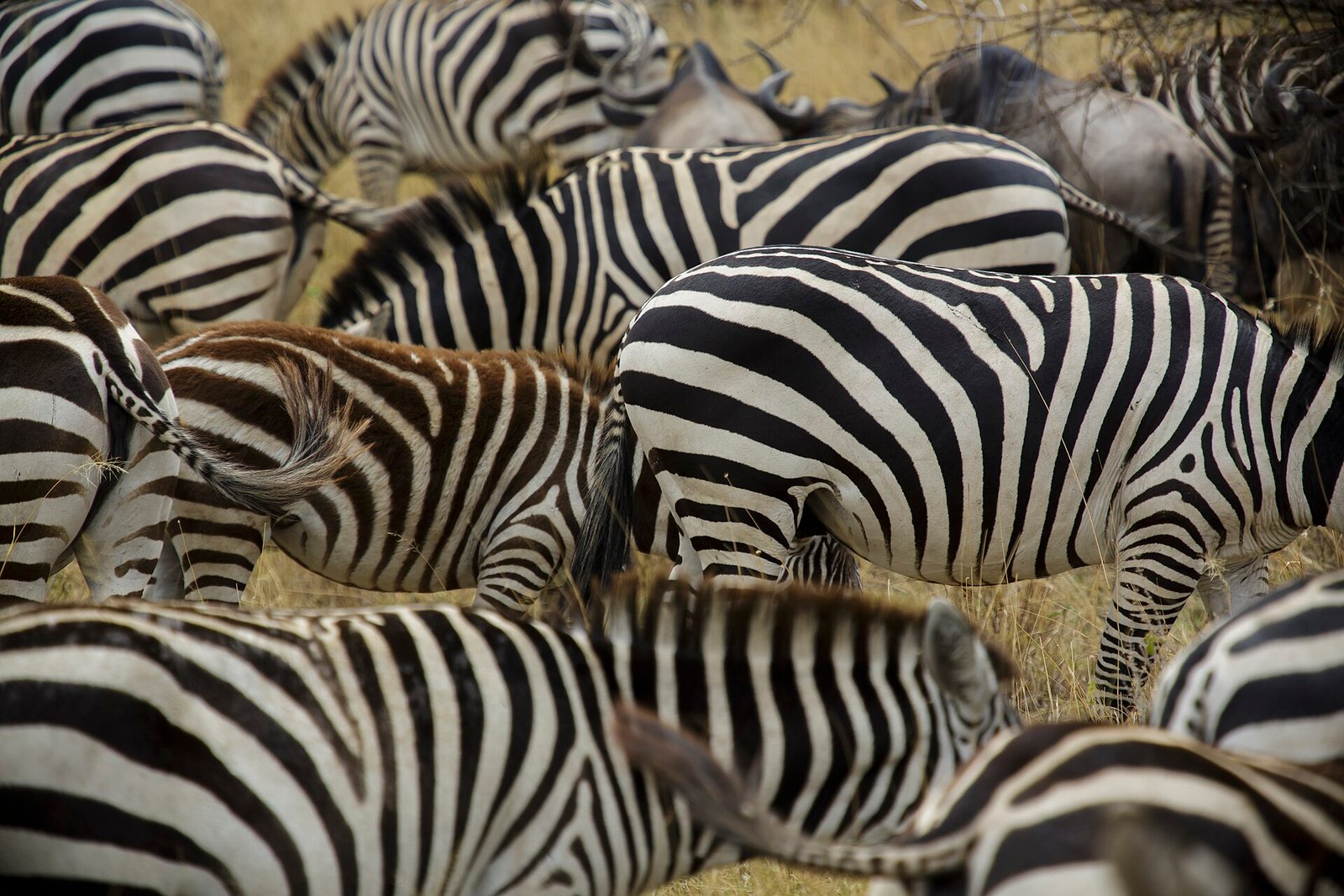
Plains zebras grazing in Serengeti National Park
Year-round movementNo fixed dates

THE GREAT MIGRATION

Best time to see the Great Wildebeest Migration

A year-round movement of wildebeest, zebras and other grazers across the Serengeti ecosystem and into Kenya’s Maasai Mara. The herds follow rainfall, grazing and water, so there is no fixed date for any stage.

  • January to March: calving season

    The southern Serengeti and Ndutu plains are often key areas, with newborn wildebeest and predator activity.

  • April to June: moving west and north

    Herds may move through central and western parts of the ecosystem, depending on rainfall and grazing.

  • July to October: northern Serengeti

    Herds may gather around the northern Serengeti and Mara River. Crossings are among the most famous safari experiences but are unpredictable and may not occur during your visit.

  • November to December: towards the south

    Short rains often encourage herds to move south to fresh grazing, though timing varies.

If the migration is your main reason to visit, choose dates by the likely location of the herds and stay in that region. No company can guarantee a particular wildlife event.

Serengeti guide

BY PARK

Best time to visit Tanzania’s national parks

Different parks offer different experiences, so the best month depends partly on where you go.

  • Serengeti National Park

    Wildlife viewing all year. June to October suits dry-season game drives and possible northern migration activity; January and February are important for calving in the south.

    Serengeti guide
  • Ngorongoro Conservation Area

    Can be visited all year. Dry-season conditions can be favourable for wildlife, while the green season offers dramatic landscapes. The crater rim and highlands can be cool, particularly early in the morning.

    Ngorongoro guide
  • Tarangire National Park

    Famous for elephants and baobabs. June to October is often strong as animals gather around remaining water.

    Tarangire guide
  • Lake Manyara National Park

    Varied habitats and birdlife, and it fits a northern circuit all year, though rainfall, lake conditions and wildlife movements shape the experience.

    Manyara guide
  • Southern Tanzania

    Nyerere and Ruaha National Parks offer different safaris from the northern circuit. June to October is generally an important dry-season period in many southern areas. Check seasonal lodge operations and logistics first.

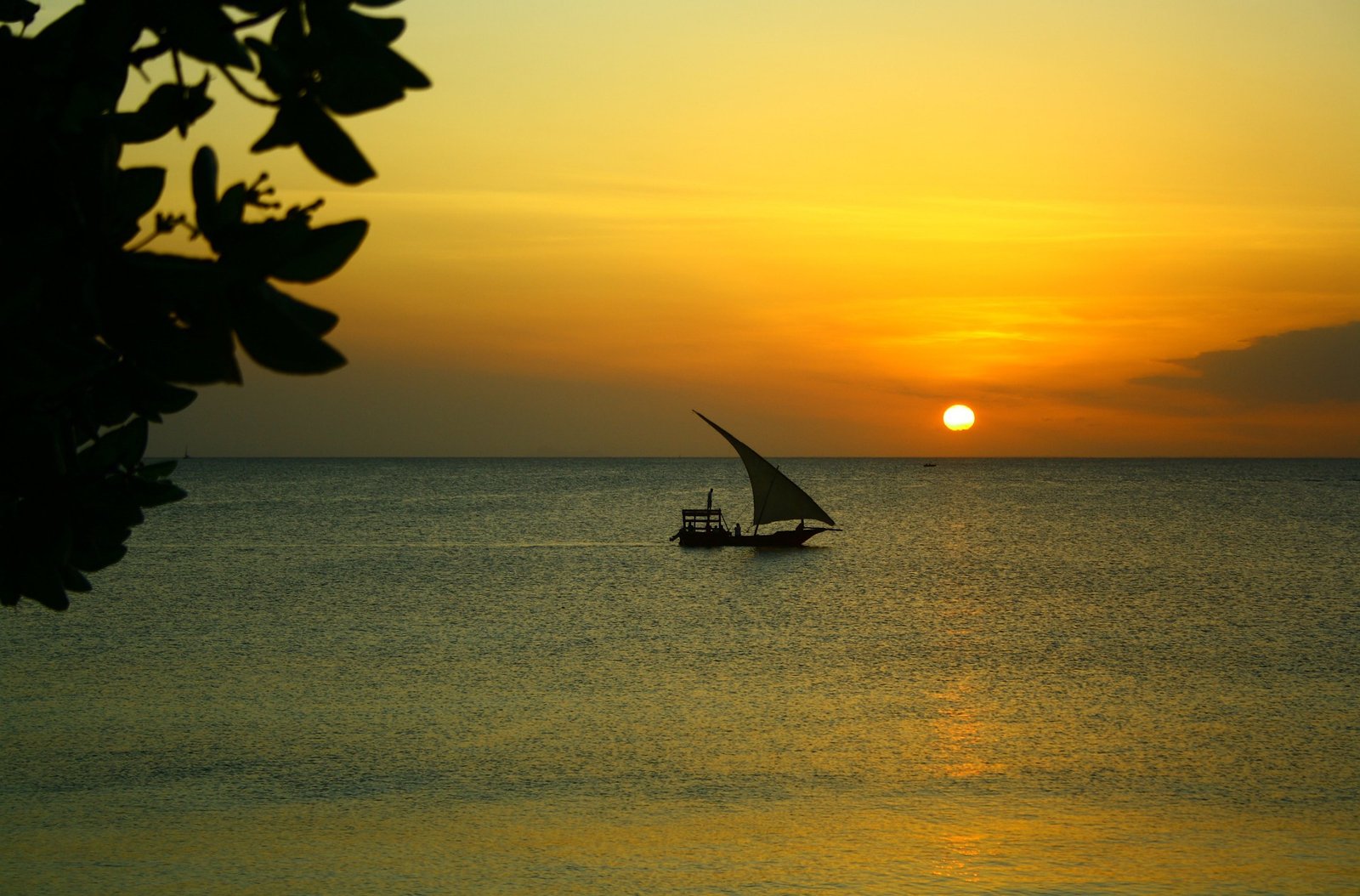
Sunset over a Zanzibar beach
ZanzibarBeaches & Stone Town

ZANZIBAR

Best time to visit Zanzibar

A popular addition to a mainland safari, with beaches, Stone Town, spice tours, snorkelling, diving and culture. According to the Zanzibar Commission for Tourism, June to October is favourable because conditions are generally drier and suit outdoor activities. January and February are also popular beach months, though often hotter.

March to May generally includes the long rains and November–December often brings shorter rains. Rainfall varies, so you can still enjoy the island outside the main dry season if you plan flexibly.

  • June–October: dry-season wildlife plus beach time.
  • January–February: Serengeti calving safaris, then Zanzibar.
  • November–December: rewarding if you accept occasional showers.
  • March–May: needs flexibility because of the long rains.

If you want a particular migration stage, choose the safari location first and fit Zanzibar around it.

Zanzibar guide

KILIMANJARO

Best time to climb Mount Kilimanjaro

It can be climbed at different times of year, but weather affects visibility, trail conditions and comfort. January to March and June to October are commonly chosen. The best month also depends on route, expected weather and your tolerance for cold.

Before booking a climb

  • Choose a route that suits your fitness and experience
  • Allow enough time for acclimatisation
  • Select a responsible operator with qualified guides and safety procedures
  • Pack suitable clothing and equipment
  • Check current route and weather information

Good to know

Conditions change quickly with altitude. Even in a favourable season, summit temperatures can be very cold, and rain or snow may occur. If you combine Kilimanjaro with a safari, allow enough days for the climb, recovery and travel between destinations.

Kilimanjaro guide

RAINY SEASON

Is Tanzania cheaper during the rainy season?

It can be, but savings depend on the destination, accommodation and dates. Some properties lower rates in quieter periods, others close temporarily, and popular holiday dates can stay expensive.

Potential advantages

  • More accommodation choices at selected properties
  • Fewer visitors at some locations
  • Green landscapes and excellent photography
  • Good birdwatching

Potential disadvantages

  • Muddy roads
  • Changes to game-drive plans
  • Seasonal camp closures

Compare actual quotations. A lower accommodation rate may not offset extra transfer costs or itinerary changes. See our safari cost guide.

FIRST-TIMERS

What is the best month for a first-time Tanzania safari?

For first-timers whose priority is general wildlife viewing, June to October is a useful starting point. The best month still depends on your interests.

  • A classic safari

    Consider June to October.

  • Wildebeest calving

    Consider January and February in the southern Serengeti ecosystem.

  • Possible northern Serengeti river crossings

    Consider July to October, understanding that crossings are unpredictable.

  • Green landscapes and birdwatching

    Consider parts of November to March.

  • A safari and Zanzibar holiday

    June to October or January to February are popular combinations.

  • A quieter trip

    Compare selected low-season dates and check how rain affects your route.

Not sure? Choose your trip length and budget first, then select parks and dates that suit your priorities. Our first-time visitors guide walks through it step by step.

SAMPLE PLANS

Sample Tanzania travel plans by season

7 days

Dry-season safari

Tarangire, Serengeti and Ngorongoro, with the order adjusted to arrival times, availability and the areas you want. Leave enough time for game drives instead of travelling every day.

7 days

Calving-season safari

A January or February itinerary focused on the southern Serengeti and Ndutu, with extra time elsewhere on the Northern Circuit if schedule and budget allow. Confirm likely herd locations and camp access.

5–7 days + beach

Safari and Zanzibar

Five to seven days of wildlife viewing followed by several nights in Zanzibar. Domestic flights may reduce travel time, depending on route and availability.

Plan extra days

Kilimanjaro and safari

Allow enough time for trekking, recovery and transfers. The right plan depends on the climbing route and the safari destinations.

PRACTICAL TIPS

Practical tips for choosing your travel dates

1. Choose your main experience

Decide whether wildlife, migration, beaches, climbing or a mix matters most.

2. Check seasonal conditions

Weather varies between the coast, mountains and safari parks.

3. Select the right destinations

The best park depends on the month and the wildlife you want to see.

4. Compare the full cost

Accommodation, park fees, transport and activities change the budget.

5. Book early for popular periods

Well-located camps and lodges can fill up in peak season.

6. Pack for changing weather

Bring warm layers for early game drives and rain protection when needed.

7. Remain flexible

Wildlife is unpredictable, and weather can change travel plans.

8. Use reliable information

Check current park information, forecasts and availability before departure.

FAQ

Frequently asked questions

Quick answers about the best time to visit Tanzania.

What is the best month to visit Tanzania?

June to October is a popular period for general wildlife viewing, while January and February are often excellent for wildebeest calving in the southern Serengeti ecosystem. The best month depends on your travel interests.

Is Tanzania good to visit all year round?

Yes. Tanzania offers year-round wildlife and a variety of travel experiences. However, seasonal weather, wildlife movements, road conditions and accommodation availability influence which destinations are most suitable at different times.

What is the worst time to visit Tanzania?

There is no universally worst time. March to May generally includes the long rains in many northern and coastal areas, which can affect road conditions and outdoor activities. Travellers who prefer dry weather may find this period less suitable, while those who enjoy green scenery and quieter destinations may still enjoy it.

When is the Great Migration in Tanzania?

The migration moves through the Serengeti ecosystem throughout the year. Calving is often associated with January and February in the southern plains, while northern Serengeti river-crossing opportunities are more commonly associated with July to October. Exact timing changes with rainfall and herd movements.

When is the best time to visit Serengeti National Park?

Serengeti can be visited throughout the year. June to October is popular for dry-season wildlife viewing, while January and February can be excellent for calving-season experiences in the south.

When is the best time to visit Zanzibar?

June to October is a popular dry-season period, and January and February are also favoured by many beach travellers. March to May generally includes the long rains, while November and December often bring short rains.

Is the rainy season a bad time for a safari?

Not necessarily. The green season can provide lush scenery, birdwatching and rewarding wildlife experiences. However, rain can affect some roads, transfers and accommodation operations, so itinerary planning is important.

When should I book a Tanzania safari?

Book as early as practical if you have fixed dates or want specific accommodation during popular periods. This is especially important for well-located Serengeti camps during migration seasons.

Share this guide

This guide describes general seasonal patterns, not guarantees: rainfall, wildlife movements, road conditions, camp operations and prices vary each year. Confirm current conditions with official sources and your chosen operator before booking.

0

Comments 0

Your email address will not be published. Please keep comments kind and relevant.

No comments yet. Be the first to share your thoughts.