
Kilimanjaro guide
Which Route Should You Choose?
Kilimanjaro route for beginners: compare Lemosho, Machame, Marangu, Rongai and the Northern Circuit by days, comfort, acclimatisation and cost before you book.
START HERE
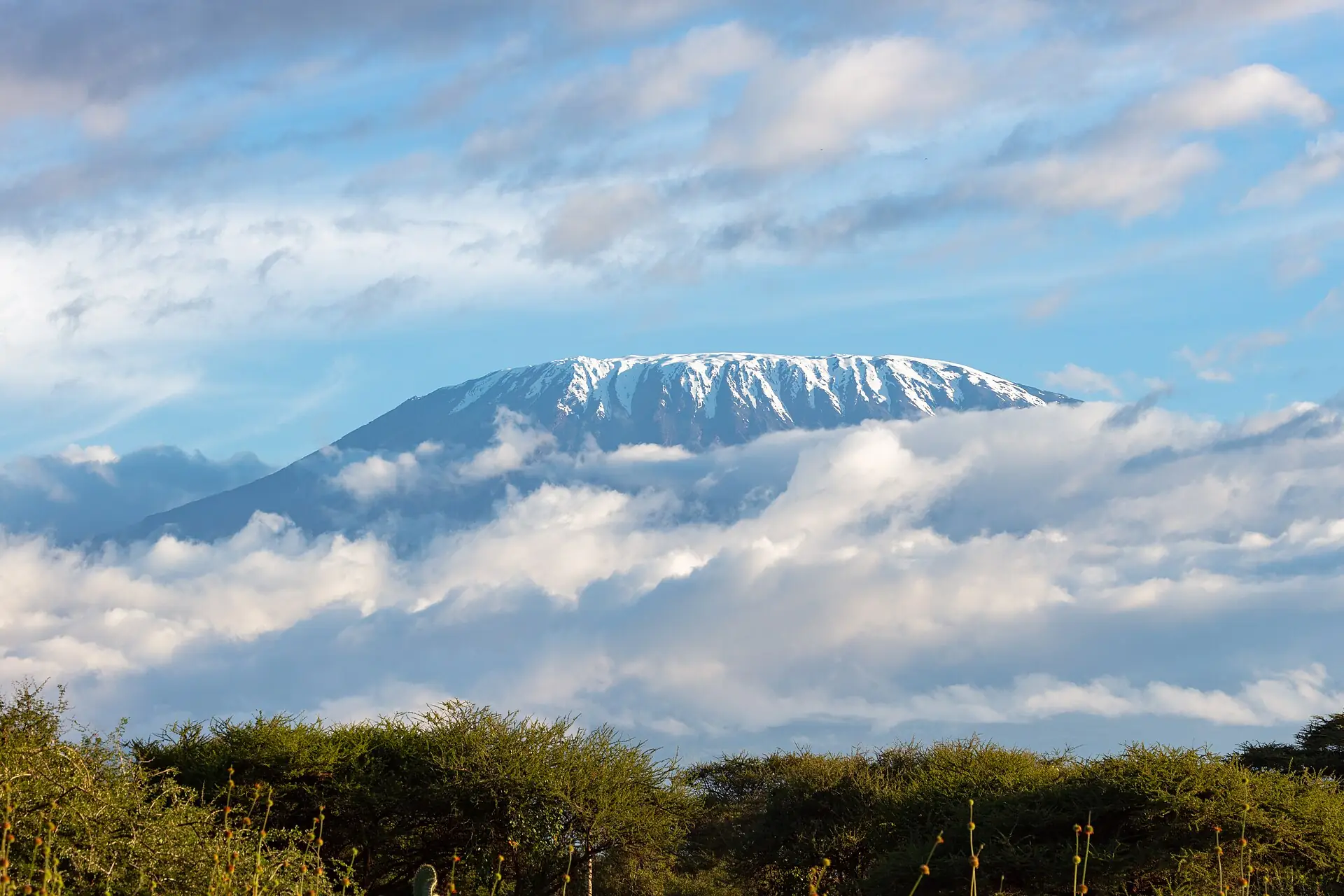
Choosing the best Kilimanjaro route for beginners is one of the most important decisions you will make when planning your first climb. Mount Kilimanjaro is Africa’s highest mountain, reaching 5,895 metres (19,341 feet) above sea level. Although you do not need technical climbing skills for the standard trekking routes, the altitude, long walking days and changing weather make the climb physically demanding.
For most beginners, the 8-day Lemosho Route is an excellent choice because it provides a gradual ascent, varied scenery and more time to acclimatise. The 7-day Machame Route is another strong option for hikers who want a scenic climb, while the Marangu Route may appeal to travellers who prefer sleeping in mountain huts instead of tents.
However, there is no single best route for everyone. Your available time, budget, fitness, accommodation preference and response to altitude should all influence your decision.
In this guide to the Kilimanjaro route for beginners, we compare the main routes, explain which options suit first-time climbers, and answer the questions travellers commonly ask before booking a climb.
Important: Altitude affects everyone differently. This is general information, not medical advice. Speak to a qualified healthcare professional before booking.
Route durations and conditions vary by operator and itinerary. Your operator’s written itinerary takes precedence.
1 · QUICK ANSWER
The best Kilimanjaro route for beginners depends on your priorities, but these are useful starting points:
These recommendations are starting points rather than guarantees of reaching the summit. A longer itinerary can allow more time for acclimatisation, but altitude sickness can affect even fit and experienced hikers.
Official guidance: The Kilimanjaro National Park visitor guide advises climbers to plan for altitude, ascend slowly, choose itineraries with acclimatisation time and follow their guides’ safety instructions. All climbs must be organised through a licensed operator, and independent solo trekking is not permitted. Read the official visitor guide.
2 · ROUTES COMPARED
The following list summarises the main options. Actual trip lengths vary by operator and itinerary, so confirm the number of days on the mountain before booking.
Planning ranges only: These are approximate ranges, not fixed schedules. Routes differ in acclimatisation profile, terrain and accommodation, so check the exact itinerary with your licensed operator. See the KINAPA route comparison.
3 · LEMOSHO
The Lemosho Route is a strong option for first-time climbers who have enough time and budget for a longer trek. It begins on the western side of the mountain and offers varied landscapes as the trail progresses towards the higher slopes. The main advantage is the opportunity to follow a gradual itinerary over more days, which can give your body additional time to adapt to the decreasing availability of oxygen at altitude. Other benefits include:
Is Lemosho difficult for beginners? Yes, it is still a challenging mountain trek. You will walk for several hours on many days, sleep at increasing elevations and eventually attempt a summit near 5,895 metres. The route is not necessarily easy, but an appropriately paced itinerary can make it a sensible choice for a well-prepared beginner.
Our recommendation: If this is your first high-altitude trek and you can allow eight days on the mountain, compare an 8-day Lemosho itinerary with other routes before booking.
4 · MACHAME
The Machame Route is another popular choice for climbing Kilimanjaro. It approaches from the south-western side and passes through several distinct vegetation and landscape zones. It appeals to hikers who want a scenic trek with varied terrain, and its itinerary can incorporate useful acclimatisation patterns, depending on the number of days and the route plan. Advantages include:
However, some sections are steep or physically demanding. The Barranco Wall, for example, involves hands-on scrambling in places, although it is not normally a technical rock-climbing section requiring ropes.
Is Machame suitable for first-time climbers? Yes. Previous mountaineering experience is not essential, but you should prepare for consecutive days of hiking and choose a schedule that gives you adequate time to acclimatise.
Compare, do not just pick the cheapest: A 7-day Machame itinerary is worth comparing with an 8-day Lemosho itinerary. Do not choose solely by price or the shortest advertised duration.
5 · MARANGU
Marangu is different from the other main routes because climbers stay in mountain huts rather than camping in tents along the standard route. The route uses huts such as Mandara, Horombo and Kibo, which can appeal to travellers who prefer a more structured sleeping arrangement. Advantages include:
Is Marangu the easiest Kilimanjaro route? Not necessarily. Although Marangu is sometimes marketed as the easiest route because of its trail profile and hut accommodation, its shorter itineraries can leave less time for acclimatisation. Sleeping in a hut does not remove the effects of altitude.
Who should consider Marangu? Travellers who strongly prefer hut accommodation and can choose an itinerary with sufficient time for altitude adjustment. For beginners, compare the full itinerary and acclimatisation schedule rather than relying on the word “easy”.
6 · NORTHERN CIRCUIT
The Northern Circuit is a longer option that explores the northern slopes of Kilimanjaro. It generally requires more days than the shorter standard itineraries. Reasons to consider it:
Is the Northern Circuit good for beginners? It can be an excellent option for a well-prepared beginner who has sufficient time and budget. However, a longer itinerary is not a substitute for preparation, appropriate pacing or careful monitoring of altitude symptoms.
Compare with Lemosho: If your main priority is allowing more time on the mountain, compare the Northern Circuit with an 8- or 9-day Lemosho itinerary.
7 · RONGAI
The Rongai Route approaches Kilimanjaro from the north, near the Kenyan border. It provides an alternative to the more commonly used southern approaches and may suit climbers who prefer the northern side of the mountain or want to compare a different approach with Lemosho and Machame.
The number of days matters here too. A longer itinerary can provide additional acclimatisation time, while a short schedule may be less suitable for someone who has never trekked at high altitude.
Ask your operator: Ask your operator to explain the ascent profile, overnight elevations and summit-day plan before choosing Rongai.
8 · SUMMIT SUCCESS
There is no single summit-success percentage that applies to every climber on every route. Reported figures vary by operator, itinerary length, group composition and the way success is measured. For beginners, it is more useful to compare:
Longer routes such as the Northern Circuit and longer Lemosho itineraries offer more time for gradual acclimatisation. However, no route or operator can guarantee that you will reach Uhuru Peak.
Ask how success is calculated: When comparing climbing packages, ask the operator how it calculates summit success and whether its figures apply to the exact itinerary being offered.
9 · HOW MANY DAYS
For many beginners, an itinerary of approximately seven to nine days on the mountain is worth considering. The appropriate duration depends on the route and its acclimatisation profile. A general comparison:
Not medical rules: These are broad planning guidelines, not medical rules or guarantees of success. Confirm whether the advertised duration includes arrival and departure days or refers only to the trek itself.
10 · COST
The cheapest route is not necessarily the best value. The total price depends on several factors:
A shorter itinerary may cost less because it uses fewer days, but choosing only by price can mean sacrificing valuable acclimatisation time. When comparing quotations, make sure they cover the same number of trekking days and clearly explain what is included. Ask about staff welfare, equipment, emergency arrangements and any additional charges.
Request an itemised quotation: There is no single reliable price for every beginner, so ask for an itemised quotation for your chosen route and travel dates. See our Kilimanjaro trekking guide.
11 · FITNESS
Yes, it is possible to climb Kilimanjaro without previous mountaineering experience, but that does not mean you can arrive without preparation. Kilimanjaro is a trekking mountain on its standard routes, but the high altitude and long walking days make it physically demanding. Before your trip, build your fitness through activities such as:
Medical advice: Start your preparation well in advance and increase your workload gradually. If you have a medical condition or concerns about exercising at high altitude, speak to a qualified healthcare professional before booking. Being fit can help you manage the physical effort, but fitness does not prevent altitude sickness.
12 · DIFFICULTY
The main challenge is not simply the distance you walk. It is the combination of altitude, cold, fatigue and repeated days of physical activity. As you ascend, the amount of oxygen available with each breath decreases. You may feel tired, develop a headache, lose your appetite or experience other symptoms, and some people develop altitude-related illness despite being fit and having trained carefully. To reduce risk:
Health comes first: Severe or worsening symptoms require urgent assessment and may require descent. Never treat summit success as more important than your health.
13 · BEST MONTH
Many climbers consider the generally drier periods when planning a Kilimanjaro trek, particularly January to early March and the period from around June to October. Conditions vary from year to year, and rain, snow, wind and cold can occur at any time on the mountain. Your decision should consider more than the calendar:
Check current conditions: The best month is not the same for every traveller. Obtain advice for your planned departure rather than assuming the mountain will have predictable weather.
14 · CAMPING OR HUTS
Camping routes. Lemosho, Machame, Rongai and the Northern Circuit generally use designated camps with tents arranged by the climbing operator. These routes may suit travellers who are comfortable with camping and want to compare different mountain approaches.
Hut accommodation. Marangu is known for its mountain huts, which may appeal to climbers who prefer a shared indoor sleeping arrangement.
Not the only factor: Do not select a route solely because it offers huts or tents. The itinerary, acclimatisation schedule, guide support and overall suitability remain important.
15 · PACKING
Temperatures and weather conditions change considerably during the ascent, so clothing should be suitable for warm lower slopes, rain and very cold summit conditions. Common essentials include:
Ask for the operator’s checklist: Some equipment may be available for hire, but confirm the condition and suitability of any rented items before departure. For a broader checklist, read our Tanzania safari packing list.
16 · GUIDES
Yes. According to the official Kilimanjaro National Park visitor guide, climbs must be organised through a licensed operator and solo trekking is not permitted. A professional team helps organise the route, camps, meals, equipment and safety procedures. Guides also monitor climbers and provide direction when weather or altitude conditions change. Before booking, verify the operator’s credentials and ask about:
Not price alone: Choose an operator based on the quality and safety of its arrangements, not price alone.
FAQ
Kilimanjaro route for beginners: quick answers about difficulty, safety, days, fitness and guides.
Marangu is often described as easier in terms of its trail profile and hut accommodation. However, short itineraries may provide less time to acclimatise. For many beginners, an 8-day Lemosho itinerary is a strong alternative.
Lemosho is worth considering if you want a gradual itinerary with more days available for acclimatisation. Machame is also suitable for many first-time climbers, particularly on a longer itinerary. Compare the exact schedules rather than route names alone.
Neither route can be declared safer for every climber. Safety depends on itinerary length, altitude profile, weather, guide procedures and individual health. Marangu’s huts do not prevent altitude sickness.
Some short itineraries are advertised, but five days generally leaves limited time for acclimatisation. Beginners should compare longer options and discuss the risks of a rapid ascent with a qualified operator.
No. You do need adequate endurance, preparation and the ability to manage several days of walking. Begin training gradually and seek medical advice if you have concerns about your ability to undertake strenuous exercise at high altitude.
Yes. Physical fitness does not eliminate the risk of altitude sickness. Acclimatisation, ascent rate and individual response to altitude all matter.
Lemosho and Machame are both known for varied scenery. The Northern Circuit offers a longer journey around the mountain. The best choice depends on the landscapes you want to experience and how much time you have.
Many organised climbs include meals, tents and staff services, but package inclusions vary. Confirm the details in writing, including sleeping bags, transfers, accommodation before the climb and equipment rental.
No. The official park visitor guidance requires climbers to use a licensed operator. Contact an appropriately licensed operator to arrange your climb.
FINAL RECOMMENDATION
For most first-time climbers, start by comparing an 8-day Lemosho Route with a 7-day or longer Machame Route. If you prefer sleeping in huts, examine Marangu carefully and pay particular attention to the number of days and acclimatisation schedule. If you have more time and want a longer ascent, the Northern Circuit is also worth considering.
Before booking, compare the complete itinerary, total cost, accommodation, guide arrangements and emergency procedures. A route that fits your schedule and allows sensible acclimatisation is a better choice than one selected simply because it is advertised as the easiest or cheapest.
Mount Kilimanjaro is a demanding high-altitude trek, and no route guarantees a summit. Prepare thoroughly, follow your guide’s advice and put your health ahead of reaching the top. For more planning advice, read our Kilimanjaro trekking guide.
Sources and further reading:
This guide offers general information, not medical advice. Route durations, fees and conditions vary. Always confirm current details with a licensed operator and Kilimanjaro National Park before booking.
The best Kilimanjaro route for beginners is usually the one that gives you enough days to acclimatise, and for many first-time climbers that means an 8-day Lemosho or a 7-day or longer Machame.
Check current rules, fees and entry requirements with these government and authority pages.
Continue planning with these Safari Best Tanzania guides.
AI-generated from this page. Please confirm the details with us.
Need help planning your safari?Unahitaji msaada?
We are here to answer your questions about parks, prices, best time to visit and your itinerary.
Please confirm important details with Safari Best Tanzania or official sources.

Automatic translation by Google Translate. It can contain errors, so confirm important details with us.


