
Lightweight shirts
Pack breathable shirts in cotton or moisture-wicking fabric. Short sleeves suit warm afternoons; long sleeves add sun and insect protection. Four to six shirts is a practical start for seven days, depending on laundry.
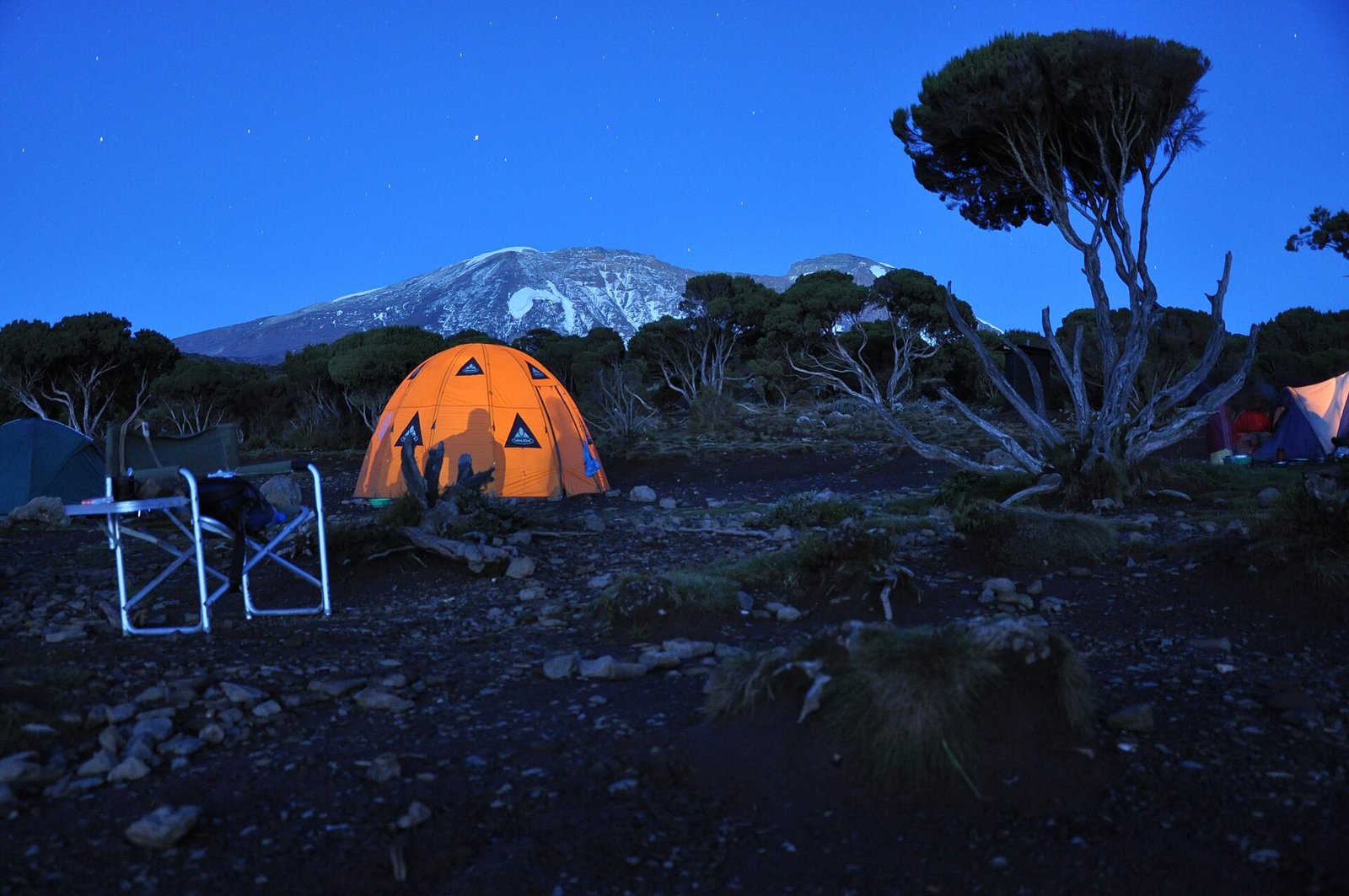
Packing guide
What to Pack for Your Trip
Clothing, footwear, health essentials, camera gear, luggage and seasonal tips, so you arrive prepared without overpacking.
INTRODUCTION
Preparing for a Tanzania safari is easier when you know what to bring and what you can leave at home. The right clothing, footwear, personal essentials and photography equipment help you stay comfortable in Tanzania’s national parks and conservation areas.
Whether you plan to see lions in Serengeti, elephants in Tarangire, wildlife in the Ngorongoro Crater or the landscapes of Lake Manyara, your needs depend on the season, itinerary and accommodation. Expect warm afternoons, chilly early-morning game drives, dusty roads and occasional rain.
You do not need expensive safari clothing. Comfortable, practical items that suit the weather and your activities are usually enough.
1. CLOTHING
Safari clothing should be comfortable, breathable and suitable for changing temperatures. There is no need to replace your whole wardrobe.
Pack breathable shirts in cotton or moisture-wicking fabric. Short sleeves suit warm afternoons; long sleeves add sun and insect protection. Four to six shirts is a practical start for seven days, depending on laundry.
Useful for game drives and protecting your legs from sun and insects. Convertible trousers adapt to changing temperatures. Avoid packing only heavy jeans, which feel hot and dry slowly.
Comfortable at a lodge or during downtime, but long trousers are often more practical for early drives, dust and some outdoor activities. Follow your guide’s advice for any walking activity.
Tanzania is not always hot. Early drives can be chilly, especially in the Ngorongoro highlands. Pack a fleece or warm sweater, a lightweight jacket and optionally a scarf or buff.
In rainy periods bring a lightweight waterproof jacket and a compact rain cover for your day bag. Check the forecast shortly before departure.
Pack enough for the trip, allowing for laundry. Comfortable sleepwear helps at tented camps and lodges where nights cool down. For Kilimanjaro, add technical socks and activity clothing.
2. COLOURS
Neutral, muted colours are a practical default for outdoor activities and wildlife photography. You do not need one colour from head to toe; choose clothing that is comfortable, suitable for the weather and easy to wash.
Bright colours are not automatically forbidden, but muted clothing is a sensible default. For guided walking safaris, follow your operator’s recommendations.
Avoid camouflage clothing. In some countries it is restricted to military or authorised personnel, so check local rules and guidance before travelling.
3. FOOTWEAR
Your footwear depends on the activities you have planned.
Trainers or walking shoes are usually enough for conventional game-drive safaris. Choose a pair that fits well and has already been worn.
Not essential for every safari, but useful for guided walks, demanding terrain or a Kilimanjaro climb. Break trekking boots in before departure.
Handy around your accommodation and during downtime.
Bring enough to change into dry pairs. For trekking, choose socks designed for the terrain and footwear.
4. TOILETRIES
Most travellers can use their normal toiletries on safari. Choose travel-size products where possible to save space.
Sun exposure can be significant on long game drives, even when it feels mild. Choose broad-spectrum sunscreen, reapply as directed, and add a wide-brimmed hat and sunglasses.
Insects may be present around vegetation and water. Follow the label, and ask a qualified travel-health professional about mosquito precautions for your itinerary.
5. HEALTH
Your preparation should reflect your destination, activities and personal medical needs.
A small first-aid kit is not a replacement for medical care. Consult a qualified travel-health professional about vaccinations, malaria prevention and other precautions; advice depends on your itinerary, health and travel history.
Check that your travel insurance covers the activities you plan, including trekking if you intend to climb Mount Kilimanjaro.
6. PHOTOGRAPHY
Tanzania offers excellent wildlife photography, but you do not need professional equipment to enjoy it.
A smartphone can take excellent travel photos. If you use a dedicated camera, learn its settings before the trip.
Helps photograph animals from a distance. Observe wildlife respectfully; your guide’s instructions always come before a photograph.
Among the most useful safari accessories for distant wildlife and birds.
Game drives last hours, so carry spare batteries and enough storage. If you rely on your phone, bring a power bank.
Use a suitable camera bag or cover, avoid changing lenses unnecessarily in dust, and clean equipment as the manufacturer advises.
7. ELECTRONICS
Pack the items you genuinely expect to use.
Charging differs between lodges, tented camps and campsites. Some remote properties have limited power or scheduled charging periods, so ask your accommodation before departure.
Tanzania commonly uses 230-volt electricity and plug types may differ from home. Check your devices’ voltage compatibility and bring a suitable adapter.
8. DOCUMENTS & MONEY
Keep important documents accessible and protect them from water and damage.
Entry requirements depend on your nationality and circumstances. Check current official immigration information before travelling.
A mix of payment cards and some cash is useful. Card acceptance and ATM access can be limited in remote areas, so confirm your operator’s payment arrangements and plan for personal expenses.
If you carry foreign currency, follow customs and currency regulations, use reputable exchange services and keep money secure. Ask your operator about tipping practices rather than relying on a fixed amount that may not suit your trip.
9. LUGGAGE
Safari vehicles, domestic aircraft and different accommodation types have different storage arrangements.
Duffel bags are often practical because they fit vehicle storage and some small aircraft more easily. Do not assume every operator or flight has the same rule; confirm for your itinerary.
Carry what you need on game drives: binoculars, camera or phone, sunscreen, sunglasses, water (per your operator), a light jacket, personal medication and a little cash. Keep valuables secure.
A rain cover or waterproof bag protects documents and electronics. Packing cubes or bags separate clean clothes from dirty or damp items.
Check baggage limits before flying. Small safari aircraft often have stricter allowances than international flights, covering total weight, bag dimensions and bag type. There is no single limit for every Tanzania safari flight, so confirm current restrictions with your airline or operator, including whether hand luggage and camera gear count. Excess luggage may need extra transport or storage and could incur charges.
10–11. SEASONS
Pack for changing weather rather than assuming every day will be hot and sunny. Rainfall patterns vary across Tanzania, so check the forecast for the parks you will visit.
Daytime can be warm, but highland areas may be cold before sunrise and after sunset.
A few practical layers beat bulky garments that eat luggage space.
12–13. FAMILIES & ZANZIBAR
Prepare for long drives, changing temperatures and each child’s needs.
Check age limits and activity suitability with your operator before booking, and discuss car seats, vehicles and game-drive length in advance.
You are preparing for inland wildlife and a tropical coast. Add to your safari list:
Dress respectfully in Stone Town and local communities, follow posted dress guidance at religious sites, and confirm which snorkel or dive equipment is provided. Check entry and insurance requirements for both mainland Tanzania and Zanzibar. See our Zanzibar guide.
14. LEAVE AT HOME
Packing light keeps you organised and makes transfers easier. You can usually leave these at home unless your itinerary requires them.
Check the rules. Do not bring prohibited items, restricted medicines or wildlife products without checking applicable regulations, and avoid camouflage clothing until you have checked local guidance.
15. SEVEN-DAY LIST
A starting point for a typical seven-day road-based safari. Adjust for your itinerary, personal needs, laundry and weather.
These quantities are suggestions, not strict rules. With reliable laundry you may pack less. Climbing Kilimanjaro needs specialist clothing, suitable boots and technical equipment based on your route and operator’s recommendations; this list is not enough for the trek.
16. FINAL CHECKLIST
Use this to make sure you have covered the essentials.
FAQ
Quick answers about packing for a Tanzania safari.
Wear comfortable, breathable clothing that suits warm days and cooler mornings. Long trousers, lightweight shirts, a warm layer and comfortable shoes are practical choices. Muted colours are popular, but comfort and suitability for the weather matter most.
No. Special safari clothing is not essential for a conventional game-drive safari. Comfortable everyday outdoor clothing is usually sufficient. Specialist clothing and equipment are necessary for activities such as climbing Mount Kilimanjaro.
Yes. Early mornings and evenings can be cold, particularly in the Ngorongoro highlands and at higher elevations. A fleece, sweater or lightweight jacket is useful even during the dry season.
Not necessarily. Comfortable walking shoes are sufficient for many conventional game-drive safaris. Hiking boots are more useful for trekking, demanding walking activities and Mount Kilimanjaro climbs.
A soft-sided duffel bag is often practical, especially when your itinerary includes small safari aircraft. However, confirm the exact baggage requirements for your operator and flights before choosing your luggage.
It depends on your transport arrangements. Some road safaris can accommodate larger suitcases, while small aircraft may have strict limits on bag weight, dimensions and type. Confirm the rules before departure.
Binoculars are not essential, but they can significantly improve your experience by helping you observe distant wildlife and birds.
Bring a lightweight waterproof jacket, quick-drying clothing, spare socks, suitable shoes and protection for electronics and documents. Check the forecast and ask your operator about road and accommodation conditions.
In addition to safari clothing, bring swimwear, sandals, beach clothing and suitable sun protection. Pack respectfully for cultural visits and confirm the requirements for any planned water activities.
Pack according to your itinerary and the confirmed baggage allowance. Small safari aircraft may have much stricter limits than international airlines, so check the current rules rather than relying on a general weight estimate.
FINAL THOUGHTS
The best packing list prepares you for changing weather without making your luggage heavy. Focus on comfortable clothing, a warm layer, suitable footwear, sun protection, health essentials, travel documents and equipment you will genuinely use.
Your needs will differ if you travel in the dry season, visit in the rains, climb Kilimanjaro or add Zanzibar. If your itinerary includes domestic flights, check baggage restrictions before you leave home.
This guide offers general packing suggestions, not medical, legal or travel-insurance advice. Confirm baggage limits, entry requirements and health precautions with your airline, operator and official sources before travelling.