Advantages
- Can be more economical than a lodge
- Shared facilities may be available
- A chance to meet other travelers
- Suits visitors who own camping equipment
- Lets you spend the night inside designated park areas

Camping guide
Public, special and private camping explained
How camping works in Tanzania: public campsites, special campsites and private camping safaris, the best parks, what it costs, what to pack and how to camp safely around wildlife.
START HERE
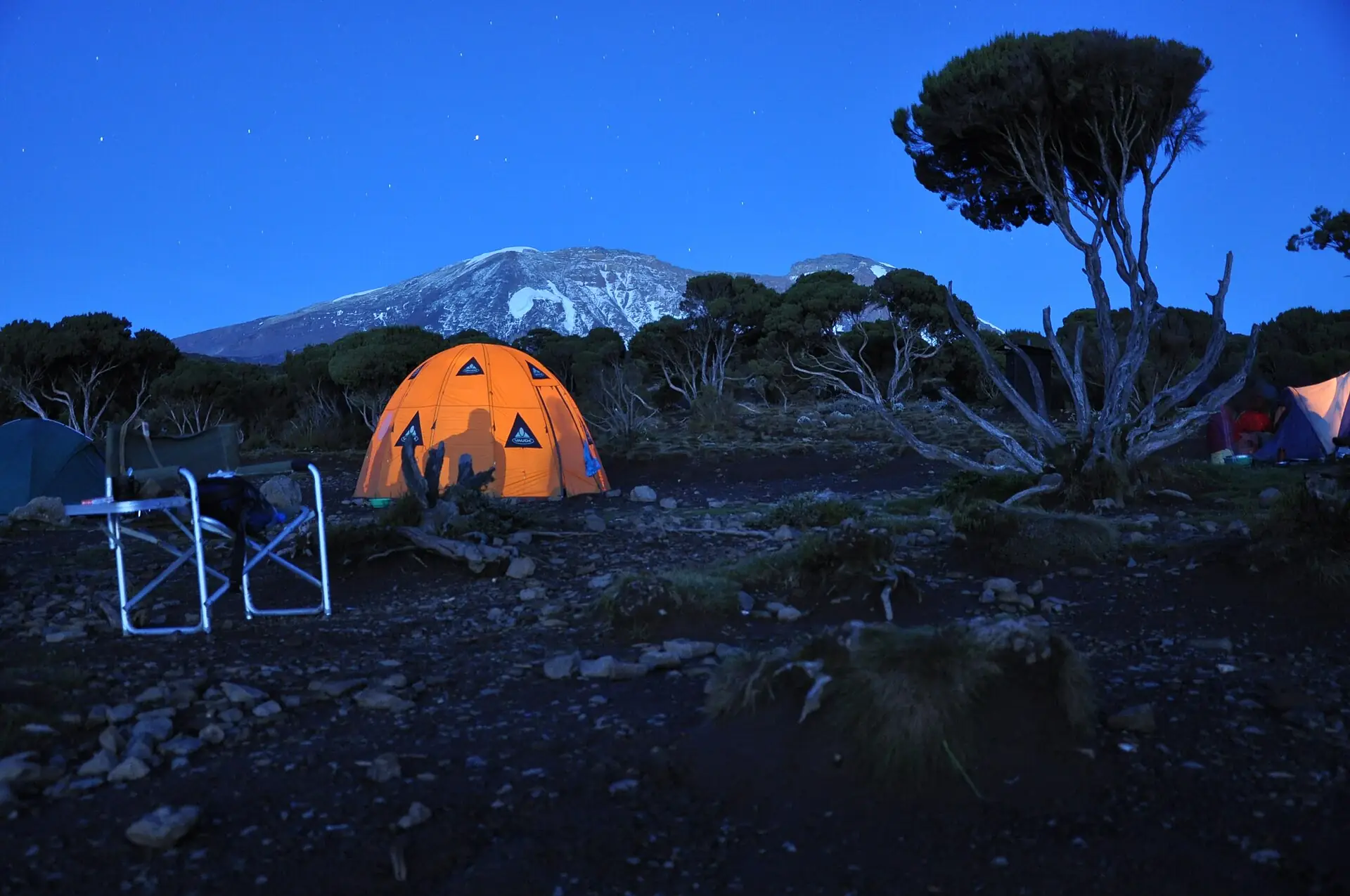
Camping in Tanzania is an exciting way to experience the national parks, wildlife and remote landscapes. From the Serengeti plains to Tarangire’s baobabs and the wilderness of Ruaha, camping lets you stay closer to nature and enjoy a different kind of safari.
You can choose between public campsites, special campsites and privately operated camping safaris. They differ in privacy, facilities, cost and support. A public campsite suits budget travelers who bring their own gear, while a private camping safari suits those who want tents, meals and logistics arranged for them. This guide explains how camping in Tanzania works, where to camp, what to budget and how to camp responsibly.
The campsite fee is only a small part of the cost of a camping safari.
PUBLIC CAMPING
A designated campsite that different visitors or groups can use. In national parks, public campsites are among the official accommodation options under park regulations.
Depending on the campsite, facilities may include shared toilets, showers, water points or cooking areas. Facilities vary by location, so never assume every campsite has the same services. Public camping suits independent travelers and visitors who want a simple overnight experience.
Best for budget-conscious travelers, backpackers, experienced campers and visitors comfortable with shared facilities.
PRIVATE CAMPING
“Private camping” can mean more than one arrangement, so clarify what a property or operator means.
Best for couples, families, small groups, photographers and travelers who want more control over their safari schedule.
COMPARE
“Private” does not always mean better facilities. It may only mean exclusive use of a site, so always ask what the booking includes.
WHERE TO CAMP
SERENGETI
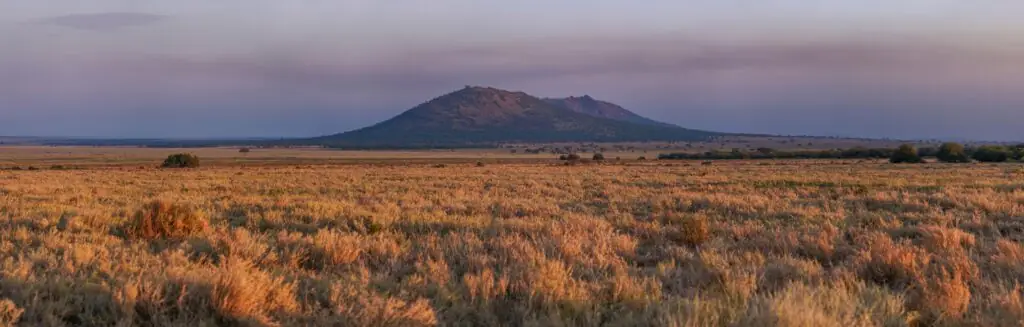
Public campsites let you spend nights in different parts of the Serengeti. Research these for your dates.
Important: Campsites and wildlife are not spread evenly. Choose by dates, itinerary and area, and confirm facilities with TANAPA or your operator.
 Public campsite
 Public campsite
 Public campsite
 Public campsite
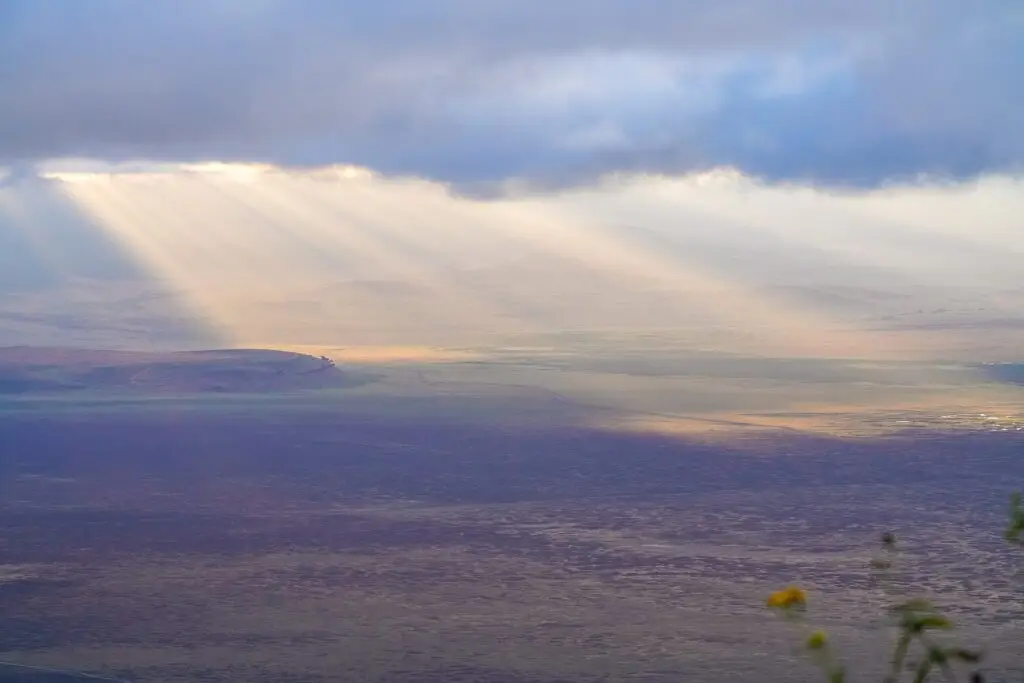
NGORONGORO
A well-known public option sits on the crater rim.
Best for: Budget travelers and campers wanting a crater-rim night.
Booking tip: Bring warm layers and confirm current rules with the conservation authority.
 Public campsite
a public campsite on the Ngorongoro crater rim, often cold and windy at night.
Official website
TARANGIRE
Camping lets you enjoy the area beyond a short daytime visit.
Best for: Wildlife lovers and photographers.
Booking tip: Confirm facilities and whether the rate includes equipment, meals and park fees.
 Public campsite
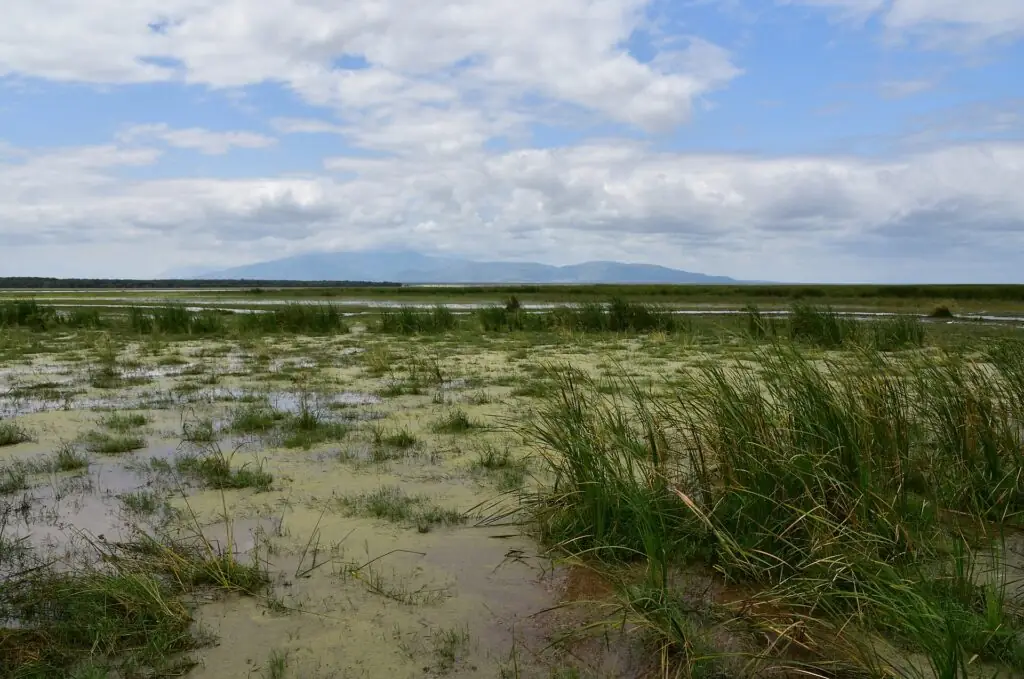
LAKE MANYARA
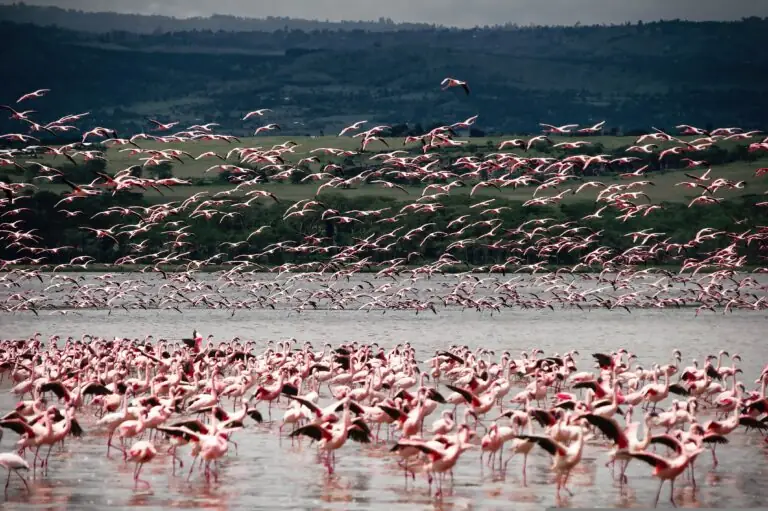
Choose between a park campsite and camps in the nearby Mto wa Mbu area.
Best for: Birdwatchers and travelers combining several stops.
Booking tip: Check whether the site is inside the park; it affects access and fees.
 Campsite
 Camping

ARUSHA
A short nature escape close to town, good for hikers and birdwatchers.
Best for: Short trips and visitors starting or finishing a northern safari.
Booking tip: Confirm availability and permitted arrangements with the park authority.
 Public campsite

RUAHA & NYERERE
In the south, campsites, supplies and transport need careful planning, so ask TANAPA or your operator for current public and special campsites for your dates.
Best for: Experienced campers and wildlife photographers.
Booking tip: Ask the operator how supplies, transport and campsites are arranged before you commit.
COST
Costs depend on the park, visitor category, type of campsite, season and services included.
Public camping can have a relatively low campsite fee, but that is only one part of visiting a national park. A private camping safari may cost considerably more because it includes transport, staff, equipment, food and logistical support.
Official fees can change. Check the current Tanzania National Parks accommodation information and the official tariff information before you book.
COMPARE QUOTES
A cheaper quote may leave out essential services, so compare the full cost rather than the advertised starting price.
PACKING
If you arrange your own gear, tailor your list to the weather, campsite facilities and trip length. On a guided camping safari, ask what is already supplied.
SAFETY
Camping in wildlife areas needs more care than a hotel or a fenced campsite.
Remember: A campsite may have shared facilities without a protective fence. Your safety depends on following the rules and guidance for that location.
THE RULES
No. Do not assume you can pitch a tent wherever you find a suitable spot. Within national parks you must use authorised accommodation and campsite arrangements and follow park regulations. Special and seasonal campsites may need advance booking and confirmation.
Outside national parks, camping rules depend on the landowner, campsite operator, protected-area authority or local regulations. For a remote or private experience, arrange it through an authorised operator and confirm the location before you travel.
WHICH TO CHOOSE
Neither option is best for everyone.
If you want a simple experience, are happy to share facilities and have a plan for equipment, food and transport.
If you want exclusive use of a designated site and are ready for the extra arrangements and costs.
If you want an operator to coordinate your vehicle, guide, tents, meals and daily schedule.
For first-time visitors, a guided camping safari simplifies logistics. Experienced campers may prefer more independence, provided they understand the rules and practical requirements.
FAQ
Quick answers to the most common questions.
Public campsites are generally shared facilities available to different visitors. Special campsites are usually booked for exclusive use by a group under the park’s rules and may have limited or no permanent facilities.
Some do, but facilities vary by location. Confirm whether toilets, showers, water, cooking facilities and other amenities are available at your chosen campsite.
Not necessarily. Independent campers may bring or rent equipment, while organised safari operators often provide tents and other supplies. Confirm what is included before booking.
Camping can reduce accommodation costs, particularly at basic public campsites. However, park fees, transport, equipment, meals and guide services can make the total cost of a safari considerably higher than the campsite fee alone.
Special campsite arrangements may be available in selected locations, subject to current park rules and availability. Contact park authorities or an authorised operator well in advance.
Campsites operate under park rules, but wildlife can be present nearby and sometimes pass through camping grounds. Follow staff instructions, keep a safe distance from animals and observe nighttime safety rules.
Yes, but the campsite and itinerary should suit the children’s ages and needs. Consider toilets, sleeping arrangements, temperatures, transport times and wildlife-safety instructions before booking.
Yes. Many travelers combine a few nights of camping with lodge accommodation to balance cost, comfort and the experience they want from each destination.
PLAN YOUR TRIP
Public camping suits a straightforward, economical stay, while special campsites and private camping safaris give more exclusivity or support. Check the campsite category, facilities, fees and booking requirements before you travel, and never assume camping is allowed outside designated areas.
Safari Best Tanzania prepares your trip. Planning is free, and you pay only for the trip itself. Tell us your parks, dates and comfort level and we will help you choose the right camping style.
This guide is general travel-planning information. Park fees, operating arrangements and activity availability can change, so verify current details with the Tanzania National Parks Authority and the Safari Best Tanzania team before travel.
What to remember before you plan camping in Tanzania.
Check current rules, fees and entry requirements with these government and authority pages.
Continue planning with these Safari Best Tanzania guides.
 Tanzania Safari Guide for First-Time Visitors: Everything You Need to Know
 How Much Does a Tanzania Safari Cost in 2026? A Complete Price Guide
 Best Time to Visit Tanzania: A Month-by-Month Guide
 Tanzania Safari Packing List: What to Pack for Your Trip
 Tanzania Visa 2026: Requirements, Fees and How to Apply
 Tanzania Travel Insurance 2026: Cost, Requirements and Coverage
Need help planning your safari?Unahitaji msaada?
We are here to answer your questions about parks, prices, best time to visit and your itinerary.
Please confirm important details with Safari Best Tanzania or official sources.
Automatic translation by Google Translate. It can contain errors, so confirm important details with us.