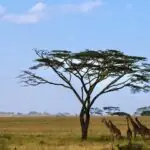
Visiting the Hadzabe in Tanzania: acacia bush landscape near Lake Eyasi

Cultural visit guide

Visiting the Hadzabe in Tanzania

What to know before you go

Visiting the Hadzabe near Lake Eyasi works best when the community has agreed, the fees are clear and you ask before every photo. This guide explains how to prepare.

Lake EyasiNorthern Tanzania
A few hoursOften an early start
Ask firstBefore every photo
ConsentChoose a responsible visit

START HERE

Learn from your hosts, not from a performance

Visiting the Hadzabe in Tanzania can be a meaningful cultural experience for travellers who want to learn about traditional hunting, gathering, local knowledge and life around Lake Eyasi. The Hadzabe are an Indigenous community in northern Tanzania, and some families continue to practise hunting and gathering as part of their livelihoods.

However, a visit needs more preparation than an ordinary sightseeing excursion. Travellers should understand local customs, ask permission before taking photographs, choose a responsible community-arranged visit and keep realistic expectations. The goal is to learn from the people who welcome you, not to expect them to perform.

Visiting the Hadzabe at a glance

  1. Where: around Lake Eyasi in northern Tanzania, often with Mang'ola as a base.
  2. Duration: many visits last a few hours, often starting early in the morning.
  3. Language: Hadzane, with interpreters or guides helping visitors communicate.
  4. Photography: always ask each person first.
  5. Gifts: do not hand out sweets, money or alcohol without agreement.
  6. Cost: no single price, so ask for a clear breakdown.

Before booking, ask who agreed to the visit, who receives the payment, whether an interpreter is present, how large the group is and whether any activity is staged.

THE HADZABE

Who are the Hadzabe people?

The Hadzabe, also known as the Hadza, live mainly around Lake Eyasi in northern Tanzania, near the Great Rift Valley and the Ngorongoro highlands.

They are widely known for their hunting-and-gathering traditions, detailed knowledge of the natural environment and a distinctive language, Hadzane, which includes click consonants.

Hadzabe communities are not all identical. Some people rely substantially on hunting and gathering, while others also farm, work for wages or attend school. Their lives keep changing because of economic opportunities, relationships with neighbouring communities and pressure on traditional lands.

Avoid the “unchanged” myth. The Hadzabe are contemporary people with their own choices, interests, families and perspectives. Do not describe them as people who have stayed the same since prehistoric times.

LOCATION

Where can you visit the Hadzabe in Tanzania?

The main area for arranging Hadzabe cultural visits is around Lake Eyasi. The nearby settlement of Mang'ola is commonly used as a base for excursions, and Lake Eyasi is often added to longer northern Tanzania trips alongside the Ngorongoro Conservation Area and Lake Manyara National Park.

The exact meeting point depends on the community arrangement and the family welcoming visitors. Hadzabe camps may move, so there is not always one permanent village address.

Before travelling, confirm the meeting location and transport arrangements with your guide or tour provider.

THE VISIT

What happens during a Hadzabe cultural visit?

Many visits begin early in the morning and last a few hours, although the schedule and activities vary.

Depending on the community’s wishes, visitors may
  • Walk with community members through the surrounding bush
  • Learn about traditional tracking and hunting knowledge
  • See how bows and arrows are made or used
  • Learn about wild plants, roots, fruit and honey gathering
  • Watch fire-making techniques
  • Ask questions through a knowledgeable interpreter
  • Learn about the Hadzabe language and everyday life

Not every activity happens on every visit. Weather, seasonal conditions, community decisions and the availability of knowledgeable hosts all shape the experience.

The Datoga are a separate community. Some visits include a stop with the neighbouring Datoga, known in part for metalworking and blacksmithing. Treat it as a separate cultural encounter, because the two communities are not interchangeable.

Will you see an actual hunt?

Not necessarily. Hunting is a real part of some Hadzabe people’s lives. However, a hunt arranged to begin when a tourist vehicle arrives may be a demonstration rather than an ordinary hunting trip.

Ask your provider how the visit is organised. A responsible host should be honest if something is a demonstration, and should not promise a successful hunt or a particular wildlife encounter.

RESPONSIBLE TRAVEL

How do you choose a responsible Hadzabe visit?

The quality of the arrangement matters greatly. A visit can offer valuable cultural exchange when the community has agreed to host visitors, sets appropriate conditions and receives fair compensation. Before booking, ask these questions.

Who agreed to the visit?

Find out whether the family or community has freely agreed and has a say in how the visit takes place.

Who receives the payment?

Ask how much of the fee reaches the Hadzabe hosts, who decides how it is shared and whether the amount is disclosed before you book.

Will an interpreter be present?

A guide who communicates well with the hosts can turn a brief observation into a real exchange. Ask whether the interpreter speaks Hadzane or works directly with someone who does.

How large is the group?

Smaller groups make respectful communication easier and reduce disruption. Ask how many visitors will be there at one time.

Are activities staged?

Ask whether hunting or other activities are arranged specifically for visitors. Demonstrations are fine if the hosts choose to offer them, but they should be explained honestly.

These questions help you judge whether the experience respects the community’s choices and offers a fair exchange.

PHOTOGRAPHY

Photography: always ask permission

Photography can be sensitive. Agreeing to receive visitors does not mean that every person has agreed to be photographed.

Follow these guidelines
  • Ask each person before taking their photograph
  • Ask separately before recording video or audio
  • Accept a refusal immediately and politely
  • Get a parent’s or guardian’s permission before photographing children
  • Do not enter homes or photograph private activities without permission
  • Do not ask people to repeat actions or pose for a more dramatic photograph
  • Ask before publishing identifiable images online

Even when photography is allowed, consider putting your camera away for part of the visit. Listening and asking thoughtful questions can be more valuable than documenting every moment.

If you plan professional photography or filming, explain this before booking and get any extra permissions required.

CLOTHING

What should you wear to visit the Hadzabe?

Choose practical clothing for walking outdoors in warm conditions.

Recommended items
  • Lightweight, breathable clothing
  • Long trousers to protect against thorny vegetation
  • Closed walking shoes or light hiking boots
  • A hat and sunglasses
  • Sunscreen
  • A small backpack for personal essentials

Do not assume that you will stay beside the vehicle. Some visits involve walking over uneven ground and through thorny scrub, so tell your provider in advance if you have limited mobility.

PACKING

What should you bring?

A small daypack is usually enough for a morning visit. See our Tanzania safari packing list for wider packing advice.

Consider bringing
  • Drinking water
  • Sun protection
  • A camera or binoculars, used respectfully
  • Personal medication
  • Insect repellent
  • Hand sanitiser and tissues
  • Some cash for agreed expenses or craft purchases

Ask the provider what is included rather than assuming water or refreshments will be available at the camp. Also take all rubbish away with you.

GIFTS

Should you bring gifts for the Hadzabe?

Do not assume that gifts are necessary or welcome. Avoid handing out sweets, money, alcohol or other gifts directly to children or individuals without prior agreement, because such gestures can create uncomfortable expectations.

If you want to contribute more, ask the community liaison or your provider whether the hosts have requested anything specific and how it should be delivered. If crafts are for sale, ask the price and consider buying directly from the maker.

COST

How much does a Hadzabe visit cost?

There is no single price. The cost depends on the provider, group size, transport, interpreter, accommodation and the agreed community fee. See our safari cost guide for wider budgeting.

Ask for a clear breakdown of
  • The community visit fee
  • Guide and interpreter services
  • Transport to and from Lake Eyasi or your accommodation
  • Food and drinking water, if provided
  • Any additional cultural visits
  • Accommodation, if you stay overnight

Ask how the community’s share is calculated and paid. A clear answer is more useful than an advertised description such as “authentic experience”.

A more expensive tour does not automatically benefit the hosts more. Transparency about the arrangement is what matters.

BEST TIME

When is the best time to visit the Hadzabe?

Visits can be arranged at different times of year, but the daily schedule depends on the season and the community’s activities. Early morning is common because it is cooler and may coincide with ordinary hunting or gathering. Confirm your departure time and be ready for an early start.

The Lake Eyasi region can be hot and dry, while the rainy season may bring harder road conditions. March to May is generally the long-rains period in northern Tanzania, although rainfall varies from year to year. Check current forecasts with the Tanzania Meteorological Authority and see our best time to visit Tanzania guide.

If you travel in wetter months, confirm road access and meeting arrangements in advance.

GETTING THERE

How do you get to Lake Eyasi?

Lake Eyasi is usually visited by road as part of a northern Tanzania trip. Travellers often approach from the Karatu or Ngorongoro highlands area. Driving time depends on your departure point, the route and road conditions, so allow flexibility.

Because many visits begin before sunrise, staying near Lake Eyasi the night before is often more practical than a long drive on the same morning.

When arranging transport, confirm
  • The exact pickup location and departure time
  • Whether a suitable vehicle is included
  • How long the drive is expected to take
  • Whether the visit fee and transport are charged separately
  • Where you will stay if you need an overnight stop

Do not rely on a generic map pin alone. Confirm the hosts’ current location and the planned meeting point before departure.

ETHICS

Is visiting the Hadzabe ethical?

It can be, but it depends on how the visit is organised. A responsible visit gives the hosts a real choice about whether to take part, what to share and how the encounter happens. It also makes payment clear and respects people’s right to decline photographs or questions.

Legitimate concerns exist. Some cultural tours involve large groups, scheduled demonstrations or little information about how fees benefit the hosts. Reports have also raised concerns about activities presented as everyday life that were staged for tourists.

A useful principle is to put consent, transparency and conversation ahead of the promise of a dramatic experience. It is also fine to decide not to take part if a provider cannot explain the arrangements. You can still explore the Lake Eyasi landscape and consider other locally arranged experiences.

FAMILIES

Can children visit the Hadzabe?

Families may be able to arrange a visit, but suitability depends on the child’s age, the length of the walk, the weather and the activities. Discuss your children’s ages with the provider before booking.

Ask whether the route can be adapted and whether the experience may include hunting or the killing of a small animal. Parents should also explain photography etiquette beforehand. For very young children, a shorter activity or another cultural experience may be more comfortable.

RESPECT

What should you avoid doing during the visit?

To keep the visit respectful, avoid
  • Treating the Hadzabe as a spectacle or an attraction
  • Assuming every person wants to be photographed
  • Asking people to perform or repeat activities for your camera
  • Touching bows, arrows or other belongings without permission
  • Handing out gifts without consulting the hosts or guide
  • Describing the community as primitive or untouched by modern life
  • Wandering away from your guide during a bush walk
  • Promising to share photographs or support if you do not intend to follow through

Instead, be patient, listen carefully and let your hosts decide how much they want to share.

FAQ

Visiting the Hadzabe: frequently asked questions

Quick answers to the most common questions.

Can tourists visit the Hadzabe people in Tanzania?

Yes. Cultural visits can be arranged with Hadzabe communities around Lake Eyasi in northern Tanzania. Use a responsible arrangement that respects the community’s consent and explains how the visit works.

How long does a Hadzabe visit take?

Many visits last a few hours, often beginning early in the morning. The actual duration depends on the route, activities and arrangements with the hosts.

Do the Hadzabe speak English?

Hadzane is their traditional language. English varies between individuals, so a knowledgeable local guide or interpreter is important for meaningful communication.

Can I take photos of the Hadzabe?

Only with permission. Ask each person before taking photographs or videos, and respect their decision if they decline.

Can I join a Hadzabe hunting trip?

Visitors may be invited to observe hunting-related activities or join a walk, depending on the arrangement. Do not expect a successful hunt, and confirm beforehand whether the activity is ordinary daily life or a demonstration.

Is Lake Eyasi worth visiting?

It can be worthwhile for travellers interested in cultural learning and landscapes beyond traditional game drives. The value depends on your interests and on the quality of the arrangements you make.

Can I visit the Hadzabe and Datoga on the same day?

Yes. Some excursions combine a Hadzabe visit with a separate visit to Datoga hosts or craftspeople. Confirm that each encounter is independently agreed and that the schedule allows enough time for respectful interaction.

Should I book a Hadzabe visit in advance?

Advance arrangements are advisable, especially to confirm community consent, a suitable interpreter, transport and transparent fees. Avoid arriving unexpectedly at a camp.

Share this guide

This guide is general travel-planning information. Park fees, operating arrangements and activity availability can change, so verify current details with the Tanzania National Parks Authority and the Safari Best Tanzania team before travel.

Visiting the Hadzabe: key takeaways

Visiting the Hadzabe near Lake Eyasi can be meaningful when the community has agreed and fees are transparent. This guide covers etiquette, photography, costs and ethics.

  • Choose a visit where the hosts have consented and payment is explained.
  • Ask permission before every photo, video or audio recording.
  • Do not expect a staged hunt, and do not hand out gifts without agreement.

Official sources

Check current rules, fees and entry requirements with these government and authority pages.

Related guides

Continue planning with these Safari Best Tanzania guides.

0

Comments 0

Your email address will not be published. Please keep comments kind and relevant.

No comments yet. Be the first to share your thoughts.