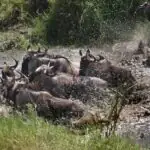
Camping in Serengeti: savannah landscape in Tanzania

Camping guide

Camping in Serengeti National Park

Is It Allowed, and What to Expect

Camping in Serengeti is allowed at designated campsites. Learn the campsite types, rules, facilities, costs, safety, what to pack and the best time for camping in Serengeti National Park.

AllowedAt authorised campsites only
3 typesPublic, special and seasonal campsites
WildlifeNo fence guaranteed: follow staff rules
CompareFees, gear and meals vary by package

START HERE

Camping in Serengeti National Park: what to know

Yes, camping in Serengeti is allowed in Serengeti National Park, Tanzania. Visitors can stay at designated public campsites, special campsites and seasonal campsites, depending on their itinerary and booking arrangements.

Camping offers a different experience from staying in a lodge or permanent tented camp. Instead of returning to a conventional hotel after a game drive, you spend the night in the African wilderness, surrounded by the sounds of nature.

However, camping in Serengeti requires proper planning. You must use an authorised campsite, follow park regulations and take wildlife safety seriously.

This guide explains the types of campsites available, what facilities to expect, how reservations work, what to pack and whether camping is suitable for your first Tanzania safari.

Important: Fees, campsite availability and rules change. Confirm current details with Tanzania National Parks or your operator before you book.

Camping in Serengeti quick facts

  1. Allowed: Yes, at authorised campsites only
  2. Campsite types: Public, special and seasonal
  3. Own tent: Only where the campsite and booking allow it
  4. Wildlife: Animals can pass near tents; follow staff instructions
  5. Cost: Not always cheap: fees, vehicle, food and guide add up
  6. Facilities: Vary widely; never assume hot showers or power
  7. Best for: Travellers who enjoy a simple, immersive stay
  8. Alternative: Lodges and permanent tented camps

These are general planning points. Park rules and your operator’s written terms take precedence.

1 · CAMPSITE TYPES

What types of campsites are available for camping in Serengeti?

Tanzania National Parks lists several camping options in Serengeti National Park. They differ in facilities, exclusivity and booking arrangements, so check the details before you plan camping in Serengeti.

Public campsites. Public campsites are shared facilities used by different visitors and safari groups. They generally provide basic amenities, although the exact facilities can vary by location. Depending on the campsite, you may find toilets, washing facilities, water supplies and designated areas for preparing meals. They are worth considering if you want a relatively simple camping experience and do not need private facilities.

Special campsites. Special campsites offer a more exclusive camping arrangement and generally have fewer permanent facilities than public campsites. These sites may be suitable for travellers who want a more private experience in a particular part of the park. Advance arrangements are required, so check availability and booking conditions with the park authorities or your tour operator.

Seasonal campsites. Seasonal campsites are used by mobile safari operators in selected areas of the Serengeti. They allow operators to establish temporary camps according to permitted arrangements and seasonal demand, and they can be useful for itineraries focused on different parts of the park, including areas associated with the wildebeest migration.

Booking varies: Availability depends on the campsite allocation, season, operator and applicable park rules. Do not assume that every seasonal campsite can be booked independently. See the Tanzania National Parks Serengeti page.

2 · YOUR OWN TENT

Can you pitch your own tent when camping in Serengeti?

Yes, visitors can bring their own camping equipment where the campsite and booking arrangements permit it. However, bringing a tent does not give you permission to camp anywhere in the national park. Before travelling, confirm:

  • Whether your selected campsite permits independent campers.
  • Whether a reservation is required.
  • Whether you need to arrange camping through a licensed safari operator.
  • Which facilities are available.
  • Whether camping equipment is provided or must be brought.
  • Which park fees and camping charges apply.

Ask what the package includes: If you are booking a safari package, ask the operator whether the price includes tents, sleeping bags, mattresses, meals, cooking equipment and campsite charges. Some organised camping safaris provide most of the necessary equipment, while other arrangements may require you to bring specific items. See our budget group safari guide.

3 · SAFETY

Is camping in Serengeti safe?

Camping in Serengeti can be a rewarding experience, but the park is a wild environment where potentially dangerous animals roam freely. Wildlife may move near campsites, including elephants, hyenas and other large mammals, and a campsite does not necessarily have a fence separating visitors from animals. Follow these precautions:

  • Never approach or feed wildlife.
  • Do not leave food or rubbish exposed.
  • Follow all instructions from your guide, camp staff or park authorities.
  • Do not walk around the campsite at night unless staff have explicitly advised that it is safe and permitted.
  • Ask for an escort when required by campsite procedures.
  • Keep children close and supervised.
  • Report wildlife sightings or unusual activity near your tent to camp staff.
  • Never attempt to photograph or approach an animal at close range.

The sounds of wildlife at night can be one of the most memorable parts of camping in Serengeti. Stay inside your tent when appropriate and follow the campsite’s specific safety procedures.

Important: Never assume that an animal is harmless because it appears calm or is familiar with vehicles.

4 · COST

How much does camping in Serengeti cost?

Camping can reduce accommodation costs compared with some lodges, but it is not necessarily a cheap safari overall. Park entry, camping charges, vehicle costs, food, guide services and transport can make up a substantial part of the budget. The total price of camping in Serengeti depends on your nationality or residency category, campsite type, travel dates, group size, and whether you organise the trip independently or book a package.

When comparing prices, ask whether the quotation includes:

  • Serengeti National Park conservation fees.
  • Campsite charges.
  • Safari vehicle and driver-guide.
  • Camping equipment.
  • Meals and drinking water.
  • Transfers to and from the park.
  • Any applicable taxes and other mandatory charges.

Do not rely on one price: Do not rely on an accommodation price alone to calculate the cost of a camping safari. Confirm the current official tariff for your travel dates with Tanzania National Parks or your operator. See our migration safari cost guide.

5 · FACILITIES

What facilities should you expect at a Serengeti campsite?

Facilities vary significantly between campsite categories and individual locations. At a public campsite, you may have access to basic shared facilities, while special or seasonal campsites may have fewer permanent amenities. Ask about:

  • Toilets and washing facilities.
  • Availability of water.
  • Showers and whether hot water is available.
  • Cooking and meal arrangements.
  • Charging facilities for phones and cameras.
  • Waste disposal.
  • Lighting and staff support.
  • Emergency procedures.

Do not assume that every campsite has electricity, reliable mobile coverage, hot showers or a restaurant. If you are camping with an organised safari company, the crew may prepare meals and help set up your sleeping area, so confirm these services when booking.

6 · PACKING

What should you pack for camping in Serengeti?

Your packing list depends on whether you are joining an organised camping safari or bringing your own equipment. For a typical camping trip, consider:

CategoryWhat to bring
Clothinglightweight, comfortable clothing, long trousers and long-sleeved shirts, a warm jacket or fleece for chilly mornings, a lightweight rain jacket when appropriate, comfortable closed-toe shoes, sleepwear and spare socks.
Sleeping equipmenta suitable sleeping bag if not provided, a sleeping mat if required, a small or travel pillow, and a headlamp or flashlight.
Personal essentialsinsect repellent, sunscreen and a hat, personal medication, toiletries and a quick-drying towel, a reusable water bottle and hand sanitiser.
Electronicsphone and charger, a power bank, a camera and spare batteries if desired, and protective bags for dust and rain.

Check before buying: Before packing bulky items, confirm what your operator provides. You may not need to bring a tent, cooking equipment or sleeping mat if these are included in your package. See our Tanzania safari packing list.

7 · BEST TIME

What is the best time for camping in Serengeti?

Camping is possible at different times of the year, but weather conditions and wildlife movements influence the experience.

PeriodConditions
June to Octobergenerally a popular period for wildlife viewing in many parts of northern Tanzania. Conditions are often drier, but mornings and nights can be cold, especially in open areas.
November to Decemberthe short rains may bring greener landscapes and changing wildlife movements. Rain can affect road conditions, so check your planned route and campsite arrangements.
January to Marchthe southern Serengeti and Ndutu region can be important areas for wildebeest calving, depending on rainfall and the animals’ movements. Sightings are never guaranteed.
March to Maythe long rains can bring lush scenery and muddy roads. Some camps and routes may have seasonal operating arrangements, so confirm availability before booking.

Choose by route: The best campsite depends on your route and what you want to experience. If you are interested in the Great Migration, discuss the expected wildlife movements with your operator rather than choosing a campsite based on a fixed calendar alone. See our Serengeti migration guide and Ndutu calving season guide.

8 · CAMPING OR LODGE

Camping or a lodge in Serengeti: which should you choose?

Both options can provide excellent Serengeti experiences. The right choice depends on your budget, comfort preferences and travel style.

Choose camping if you: enjoy spending time outdoors, want a more immersive wilderness experience, are comfortable with basic or shared facilities, want to explore a camping safari package, and do not mind cooler nights, dust or occasional rain.

Choose a lodge or permanent tented camp if you: prefer a private room and bathroom, want more predictable comfort and facilities, prefer not to set up camping equipment, or need specific amenities or services.

Not the same thing: A permanent tented camp is different from a basic campsite. Some tented camps provide private bathrooms, beds, dining areas and staff service while retaining a wilderness atmosphere.

9 · WITHOUT AN OPERATOR

Can you do camping in Serengeti without a tour operator?

The answer depends on the campsite, your booking arrangements and the applicable park rules. Some designated campsites may accommodate visitors bringing their own equipment, while other options require advance arrangements or are allocated to safari operators.

Before planning a self-drive or independent camping trip, confirm the requirements directly with Tanzania National Parks. Also verify vehicle access, campsite availability, park entry procedures, and whether your intended itinerary requires an authorised guide or other arrangements.

Simpler with an operator: For visitors unfamiliar with Tanzania’s parks, an organised camping safari can simplify logistics, including transport, meals, equipment and campsite planning. See our group vs private safari guide.

FAQ

Camping in Serengeti: frequently asked questions

Camping in Serengeti: quick answers about campsites, tents, facilities, safety and cost.

Is camping allowed anywhere in Serengeti National Park?

No. Visitors must use authorised camping locations and comply with park regulations. Do not pitch a tent in an arbitrary location or camp outside approved arrangements.

Are there public campsites in the Serengeti?

Yes. Tanzania National Parks lists public campsites within Serengeti National Park. Facilities and booking conditions vary, so check the details of the specific site before travelling.

Can I bring my own tent?

You may be able to bring your own tent where the campsite and booking arrangements allow it. Confirm whether independent camping is permitted and what equipment or services are required.

Are there toilets and showers at Serengeti campsites?

Some public campsites have basic facilities, but amenities vary. Special and seasonal campsites may have fewer permanent facilities. Confirm toilet, shower and water arrangements before booking.

Is it safe to sleep in a tent with wildlife nearby?

Camping takes place in a natural wildlife environment. Follow campsite procedures, remain inside your tent when instructed and never approach animals. Listen to staff and guide instructions at all times.

Is camping cheaper than staying in a lodge?

It can be, but the total cost depends on park fees, campsite charges, transport, meals, equipment and guide services. Compare complete safari quotations rather than accommodation costs alone.

Can I camp during the wildebeest migration?

Yes, camping options are available in different parts of the Serengeti, depending on the season and campsite arrangements. Your operator can help identify suitable locations based on the migration’s expected movements.

Share this guide

This guide offers general information: park fees, campsite availability and rules change. Always confirm current details with Tanzania National Parks and your tour operator before booking.

Camping in Serengeti: key takeaways

Camping in Serengeti is allowed at authorised public, special and seasonal campsites, and it needs planning, the right equipment and strict wildlife safety.

  • Never camp outside authorised locations, and confirm whether your campsite allows independent campers or needs an operator.
  • Facilities vary widely, so ask about toilets, water, showers, meals and charging before you book.
  • Compare complete quotations including park fees, campsite charges, vehicle, equipment and meals.

Official sources

Check current rules, fees and entry requirements with these government and authority pages.

Related guides

Continue planning with these Safari Best Tanzania guides.

0

Comments 0

Your email address will not be published. Please keep comments kind and relevant.

No comments yet. Be the first to share your thoughts.