
Diverse wildlife
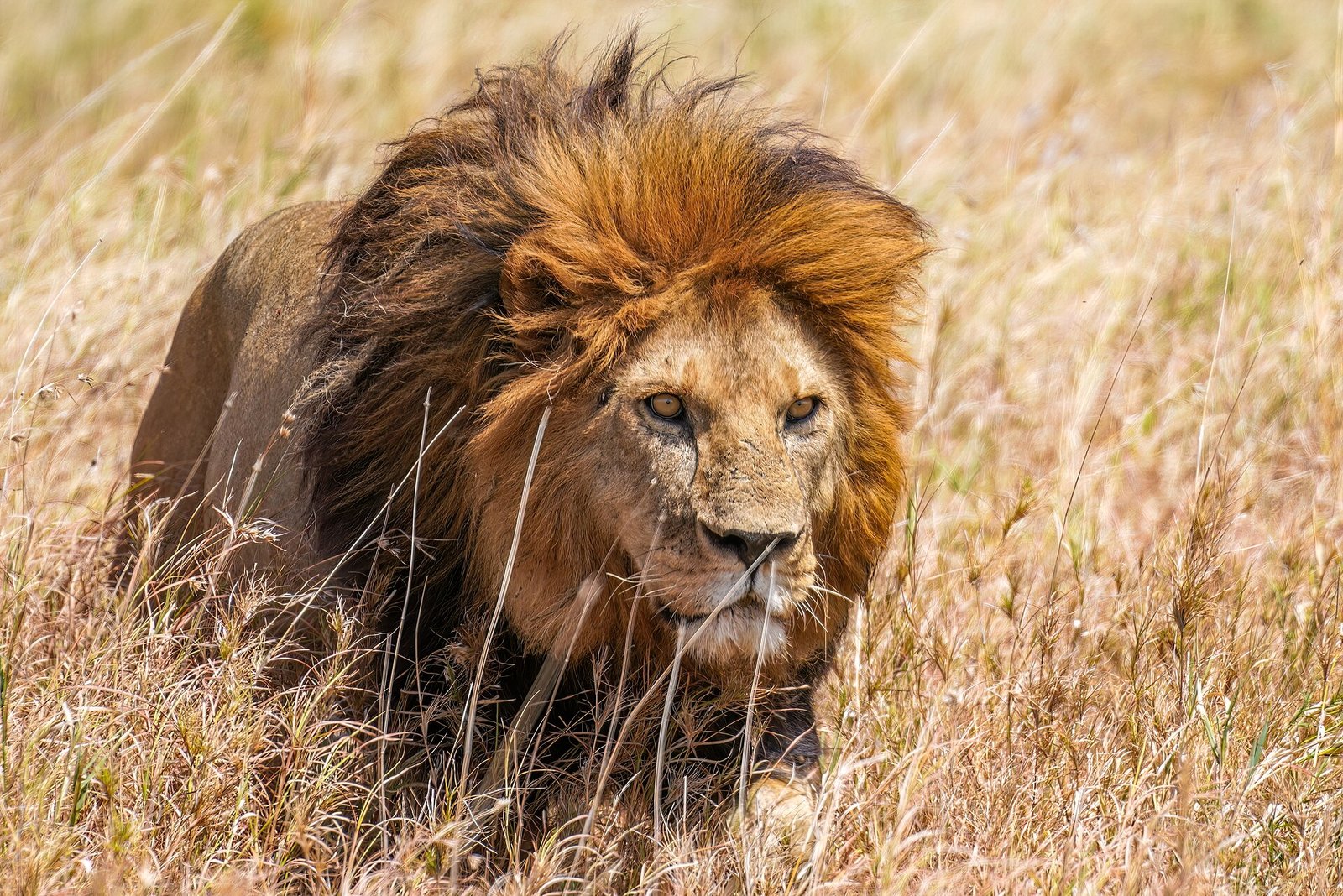
Depending on park and season: large mammals, predators, antelopes, primates, reptiles and many bird species.
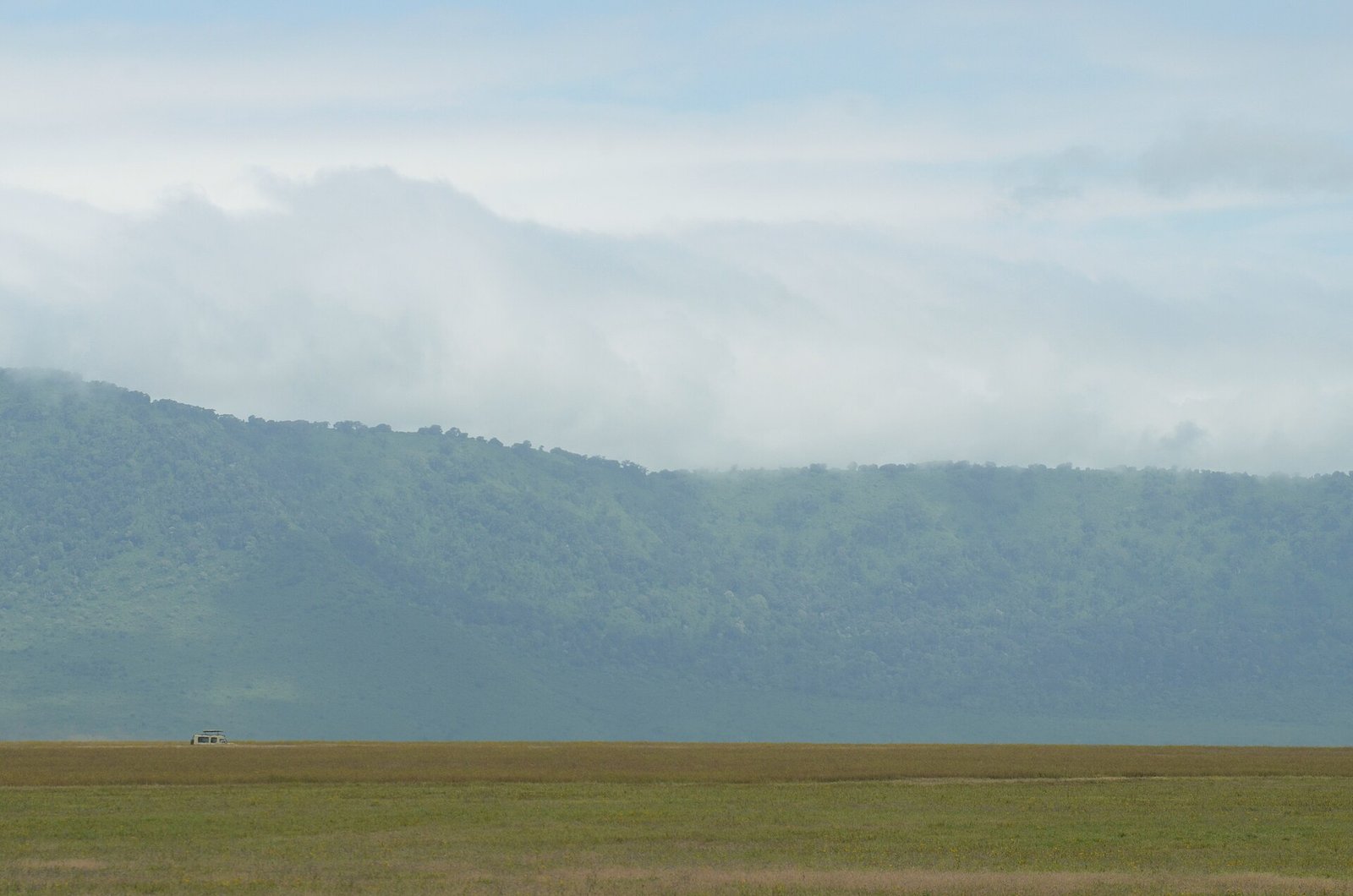
Safari experience
The Complete Guide
How game drives work, the best parks, the animals you may see, when to go, what to bring and how to prepare.
INTRODUCTION
A game drive is one of the most exciting ways to experience Tanzania’s wildlife. Travelling through a national park in a safari vehicle, you can watch elephants cross the plains, giraffes feeding among acacia trees, lions resting in the shade, and the variety of birds and other animals that live here.
Game drives are guided wildlife-viewing journeys, usually in a safari vehicle along authorised roads and tracks. They may take place in the early morning, the afternoon or over a longer period, depending on the destination, itinerary and park regulations.
Official activity information is published by Tanzania National Parks. Rules and availability can change, so confirm before you travel.
THE BASICS
An organised wildlife-viewing activity in which visitors travel through a natural area by vehicle to observe wild animals in their habitats. Unlike a zoo, animals move freely. Your guide follows authorised tracks, observes behaviour, listens for bird calls and looks for signs of where wildlife might be.
Most conventional drives use a four-wheel-drive safari vehicle, often with a pop-up roof or another arrangement that lets passengers view and photograph wildlife.
A game drive is not simply about covering distance. Patience, observation and understanding behaviour are part of the experience.
WHY TANZANIA
Protected areas, diverse habitats and wildlife-viewing opportunities come together here, from vast open plains to volcanic landscapes, woodlands, wetlands and mountain scenery. Game drives let you explore these environments without walking through areas with potentially dangerous wildlife.
Depending on park and season: large mammals, predators, antelopes, primates, reptiles and many bird species.
Serengeti’s open plains differ from Tarangire’s baobab country and the distinctive setting of the Ngorongoro Crater.
A good guide identifies animals, interprets tracks, explains feeding behaviour and adds conservation context.
A short drive, a multi-day safari, a private or shared vehicle, or selected specialised activities where permitted.
BEST PARKS
The best park depends on your wildlife interests, travel dates, available time and preferred safari style.
Extensive grasslands, a rich predator population and the seasonal movements of wildebeest across the wider ecosystem. Experience varies by region: open plains, woodland, rocky outcrops and rivers.
River crossings and specific sightings cannot be guaranteed. Best for first-timers, photographers and predator enthusiasts. Serengeti guide
A crater drive crosses grasslands, wetlands and woodland in a volcanic bowl where wildlife can be relatively concentrated. No species is guaranteed.
Subject to conservation-area rules and permitted schedules. Best for limited time and a distinctive landscape. Ngorongoro guide · NCAA
Elephants, baobab trees and varied landscapes. The Tarangire River is a key water source, and seasonal changes shape where wildlife gathers.
Distribution varies with rainfall. Best for elephant lovers, photographers and birdwatchers. Tarangire guide · Visitor guide
Forest, woodland, open areas and lake environments create varied habitats for wildlife and birdlife on a game drive.
Best for birdwatchers and travellers adding another ecosystem. Lake Manyara guide
A different atmosphere from the plains: forest, grassland, crater features and views of Mount Meru, with giraffes, buffaloes, zebras, warthogs, primates and birds.
Guided walking and canoeing in designated areas, subject to availability and rules, are separate from a vehicle game drive.
Best for travellers staying in Arusha and short extensions.
A well-planned itinerary does not need to include every park. Choose by priorities, time and the experience you want, and use the comparison below.
TYPES
Not every drive follows the same schedule. Formats depend on the park, accommodation, wildlife interests and available activities.
Often start around sunrise or earlier. The air is cool, light is excellent for photography, and some animals are active after the night.
Bring: a warm layer, camera, binoculars, sunglasses and water.
Later in the day as temperatures ease, with softer light and different areas to explore. Can be a separate outing or part of a longer day.
Bring: sun protection, water, camera and suitable clothing.
Leave in the morning with a packed lunch or a stop at a designated picnic area. Useful in large parks, though more hours do not guarantee more sightings.
A different perspective, as some species are more active after dark. Not permitted everywhere; only where officially authorised, following park rules.
Confirm availability, locations, schedules and any ranger arrangements. A standard daytime package may not include one.
Your group has its own vehicle and guide: more flexibility over timing, stops and interests, subject to park rules. Popular with couples, families and photographers.
Travel with other guests on a set itinerary. Often more economical, but with less control over departure times and time at a sighting. Ask about group size, vehicle layout and what the price includes.
A TYPICAL DRIVE
Understanding the process helps you feel prepared, particularly on a first safari.
Your guide explains the plan: departure time, destination, meals and safety instructions. For an early start you may have a light breakfast or take refreshments with you.
The vehicle follows authorised roads and tracks while the guide searches for wildlife. You may stop to observe animals, take photos or learn about tracks, vegetation and behaviour, and the route may change with sightings, roads and time.
The guide positions the vehicle at a suitable distance and explains what you see. Stay quiet, follow instructions and never ask the driver to approach an animal unsafely. Some sightings are brief; others last long enough to watch behaviour.
Longer drives may include a meal or rest at a designated location. Follow your guide about where you may safely leave the vehicle.
Back at your accommodation, or on to your next destination. Your guide may discuss the day’s sightings and help plan the next drive.
WILDLIFE
Tanzania’s wildlife is diverse, but what you see depends on the destination, habitat, season and conditions. Different species favour different habitats, and not every park supports the same communities.
The term has hunting-era origins and is now used in wildlife tourism. Seeing all five on one trip is never guaranteed; leopards and rhinos are hardest to find.
Birdwatching adds another dimension: eagles, vultures, hornbills, bee-eaters, storks, ostriches and more, plus reptiles, insects and smaller mammals.
Ask your guide about tracks, alarm calls, feeding patterns and interactions between species; they make even a quieter drive rewarding.
WHEN TO GO
Game drives run in many parks all year, but the experience changes with weather, rainfall, vegetation and wildlife movements.
Drier months are attractive because vegetation is thinner in some areas and animals may gather around water. June to October is commonly considered favourable for many northern itineraries, though conditions vary.
Popular with visitors, so arrange accommodation well in advance.
Landscapes become greener, birdwatching can be rewarding and some areas are quieter. Rain can affect roads, travel times and access, and wildlife may be more dispersed.
The green season is not automatically poor; it is simply different.
The southern Serengeti and Ndutu are often associated with calving around January and February; other periods favour other regions. These are patterns, not guarantees, and river crossings cannot be scheduled.
If it is your main goal, discuss dates with an operator and choose accommodation by region.
For month-by-month detail, read our best time to visit Tanzania guide.
DURATION & VEHICLE
A shorter drive may last a few hours; a full-day outing can fill much of the day with breaks and meals. In a large park, much of the time may go on travelling between viewing areas.
When comparing packages, ask:
Do not judge a safari only by the number of drives advertised.
Many drives use four-wheel-drive safari vehicles built for a range of roads. Depending on the operator, a vehicle may have:
Vehicle types, capacity and comfort vary. Confirm the arrangement, especially with children or photography gear; for a shared safari, ask how many guests travel together and whether everyone has good viewing access.
PACK & STAY SAFE
Choose layers in neutral colours such as khaki, beige, olive and brown; early mornings can be chilly while afternoons get hot. Closed shoes suit general travel. A small day bag keeps essentials organised.
More detail in our packing list.
Read the official TANAPA guidelines and the rules of the specific protected area you visit.
COST
There is no single price. Costs depend on destination, duration, number of travellers, transport, accommodation and applicable park or conservation fees. A short drive inside a package is priced differently from a private multi-day safari with accommodation and transfers.
Charged by protected areas under their rules and visitor categories, with extra charges possible for vehicles, camping or specialised activities. Fees change, so confirm current official rates.
Vehicle, fuel, driver-guide and transport add to the cost. A private vehicle may cost more per person than a shared one, especially for a small group.
Budget camping differs in price from luxury lodges or premium tented camps. Check whether meals and drinking water are included.
Longer itineraries need more transport, accommodation, meals and guiding. Remote destinations or fly-in arrangements can raise the total.
Ask each operator for a written quotation showing:
For a broader budget breakdown, read how much a Tanzania safari costs.
COMBINE
Yes, depending on the destination. Allow enough time for transfers rather than fitting too many activities into a short holiday.
Experience nature on foot with authorised guides or rangers where permitted, focusing on tracks, plants, insects, birds and small details. Safety requirements are specific and they are not available everywhere.
Part of a conventional drive or a more focused activity. Tell your guide if birds are a priority so route and pace can be adapted where practical.
In selected locations, an aerial view of the landscape, often around sunrise. Separate activities with their own operators, schedules, fees and safety procedures, depending on destination and season.
Some itineraries include appropriately arranged visits outside the drive itself. Choose experiences that respect local communities and explain clearly what the visit involves.
Pair northern-Tanzania wildlife with beaches and Stone Town. See our Zanzibar guide and how many days you need.
CHOOSING AN OPERATOR
Your operator influences the quality, comfort and safety of your drives. Before booking, consider the following.
It should show the parks, the nights at each destination and the expected game-drive schedule.
Who will guide you, what is their experience, and does the package include a dedicated driver-guide?
Private or shared, how many passengers, and what viewing arrangements are available.
Do not assume park fees, accommodation, meals, drinking water or transfers are included.
Ask whether the operator follows park rules and holds the licences and authorisations for the services offered.
A low quote may exclude key costs or involve long travel times. Compare the whole itinerary and inclusions.
FAQ
Quick answers about game drives in Tanzania.
The best park depends on your interests. The Serengeti is famous for its plains, predators, and the Great Migration ecosystem; Tarangire is known for elephants and baobabs; and Ngorongoro offers a distinctive crater landscape with diverse wildlife.
Morning and late-afternoon drives are popular because temperatures can be cooler and wildlife activity may be rewarding. Actual schedules depend on park rules, the season, and your itinerary.
A game drive may last a few hours or extend across much of the day. The duration depends on the destination, itinerary, travel distances, and whether meal breaks are included.
Tanzania offers opportunities to see all five Big Five species in suitable areas, but sightings are not guaranteed. Some animals are more difficult to locate than others.
Guided game drives can be conducted safely when visitors follow park regulations and their guide's instructions. Wildlife is unpredictable, so remain in the vehicle unless leaving is permitted and follow all safety guidance.
Night game drives are available only where authorised and under the relevant rules. Confirm the location, schedule, operator arrangements, and any ranger requirements before booking.
Many families enjoy game drives with children, but the suitability of an itinerary depends on the children's ages, the accommodation's policies, the length of drives, and the family's needs. Ask your operator about age requirements and family-friendly options.
No. A smartphone can capture memorable moments, while binoculars and a camera with a suitable zoom lens can help with distant wildlife. Patience and following your guide's instructions are more important than having expensive equipment.
Yes. One-day game drives are possible in selected destinations, depending on your starting point, available time, and transport arrangements. Choose a park that can be visited comfortably within your schedule.
A private drive generally offers more flexibility and exclusive use of the vehicle for your group. A shared drive may be more economical but follows a common schedule. The better option depends on your budget, group size, and preferences.
Wildlife sightings vary. Your guide may explore different areas or look for tracks and other signs of animal activity, but no operator can guarantee a particular number of sightings. Enjoying the landscapes, birdlife, and smaller details can also make the experience rewarding.
FINAL THOUGHTS
Game drives are a central part of many Tanzania safaris. They let you explore protected areas, watch wildlife in its natural habitat and appreciate the variety of landscapes, from the wide Serengeti plains to Tarangire’s baobabs and the Ngorongoro Crater.
The best experience comes from choosing the right parks, allowing enough time, travelling with a knowledgeable guide and respecting wildlife and park rules. You do not need to see every animal: sometimes the most memorable moment is an elephant family crossing the track, birdsong in the morning, or a predator behaving naturally.
This guide offers general information, not guarantees: park fees, rules, activity availability and permitted schedules can change. Confirm current details with Tanzania National Parks, the Ngorongoro Conservation Area Authority, official sources and your chosen operator before travelling.