
The Big Five
Lion, leopard, elephant, African buffalo and rhinoceros. The term comes from hunting history and is now used in wildlife tourism.
No responsible operator can guarantee all five; leopards and rhinos are harder to locate.
First-timer guide
A Complete Guide for First-Time Visitors
A typical safari day, the animals, vehicles, food, accommodation, weather, safety and the surprises that catch first-timers out.
INTRODUCTION
A Tanzania safari is a chance to watch elephants move through Tarangire’s baobab landscapes or search for lions across the Serengeti plains. If you have never been, you may wonder what a typical day looks like, how close you will get to animals, what you will eat, and what happens if you do not see the animals you hoped for.
A safari usually involves guided game drives, early starts, changing landscapes and accommodation from simple campsites to luxury lodges. Wildlife is the highlight, but so are the journey, your guide, local food and time away from busy towns.
The most rewarding safari is not the one with the most parks; it is the one with enough time, a knowledgeable guide and realistic expectations.
1. THE EXPERIENCE
A guided wildlife experience in national parks and other wildlife areas, usually in a specially equipped safari vehicle. Most visitors choose a road-based safari with a professional guide and driver, visiting places such as Serengeti, Tarangire, Lake Manyara or the Ngorongoro Conservation Area.
Guided walking safaris and other park-specific activities exist in designated areas; availability depends on destination, operator and rules. No two days are the same: wildlife moves freely and weather changes.
2. A TYPICAL DAY
Safari days often begin earlier than a normal holiday day, because animals are often active in the cooler hours. Your schedule depends on accommodation, park rules, the season and whether you are moving between destinations.
Sometimes before sunrise. At a lodge or tented camp you may have tea or coffee before an early game drive, with breakfast before or after. Beautiful light for photography, and cool temperatures in highland areas.
Your guide looks for animals, tracks, birds and signs of activity. You may watch elephants feeding or a lion resting in the shade. Sometimes wildlife is easy to find; sometimes it takes patience.
Return to your lodge or camp, enjoy a packed lunch in an approved location, or use the time for transfers between parks. Drink water, charge batteries where possible and rest.
Explore a different area or return to a promising spot. Changing sunlight makes this a rewarding photography time. Follow park rules and closing times.
Shower, relax, dinner and prepare for the next day, perhaps around a campfire listening to nature. Follow your accommodation’s safety instructions, especially at unfenced camps.
3–4. WILDLIFE
Tanzania is known for wildlife diversity, but what you see depends on the parks, season, habitat conditions and luck. Wild animals do not perform on a schedule, so you may have several exciting sightings followed by a quiet drive. That is normal.
Lion, leopard, elephant, African buffalo and rhinoceros. The term comes from hunting history and is now used in wildlife tourism.
No responsible operator can guarantee all five; leopards and rhinos are harder to locate.
Elephants feeding, walking in family groups or gathering at water are among the most vivid memories. Giraffes move gracefully between trees across open landscapes and woodland.
Key parts of the grassland ecosystems. Depending on location and season you may see small groups or large concentrations; movements change through the year.
Colourful bee-eaters, hornbills, eagles, vultures and storks, plus mongooses, hyraxes, lizards, tortoises and antelope. Ask your guide about tracks, alarm calls and feeding behaviour.
You will often have wildlife-viewing opportunities, but numbers and variety cannot be guaranteed. Animals may rest in thick vegetation or move elsewhere.
5. THE PARKS
Different parks offer different landscapes and wildlife. Choose by your priorities rather than assuming every destination offers the same experience.
Extensive plains, predator sightings and the Great Migration ecosystem. Experience varies by region and season. Read the guide.
Dramatic highland scenery and the famous crater, with respectfully arranged Maasai cultural experiences. Read the guide.
Baobab trees, elephants and varied habitats; river and seasonal water shape wildlife distribution. Read the guide.
Woodland, groundwater forest, open areas and lake in a compact landscape, good for birds. Read the guide.
6 & 10. VEHICLE & COMFORT
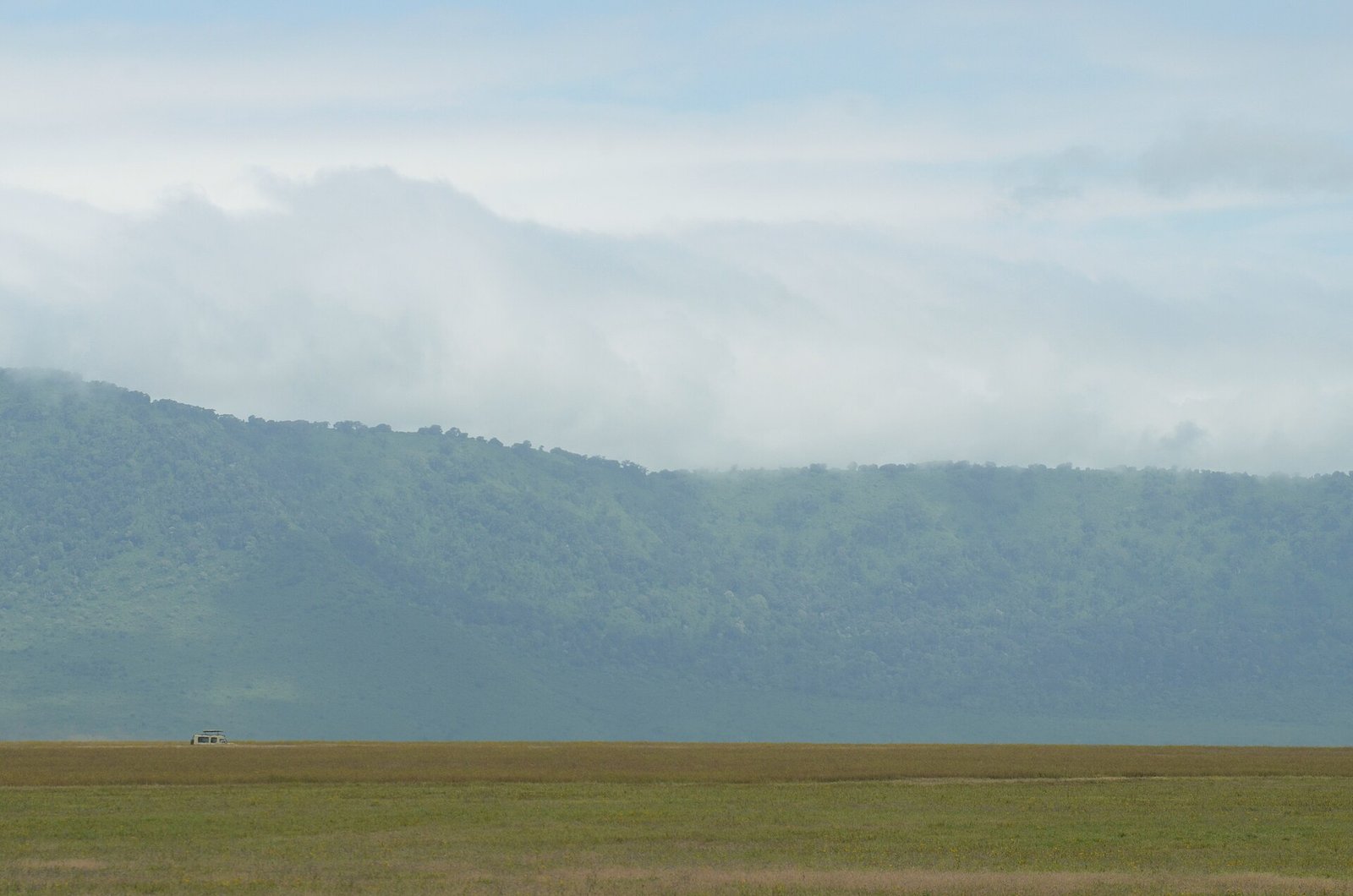
On a conventional guided safari you usually travel in a purpose-built four-wheel-drive vehicle, often with a raised viewing position and a pop-up roof. The vehicle stops so you can watch animals, take photos or hear your guide’s explanations.
It depends on the vehicle, roads and distance. Some main roads are paved, but roads in parks and to remote destinations can be dusty, uneven or bumpy, and long transfers can be tiring.
It can be. Dust may enter the vehicle, midday can be hot and early mornings cold. A safari is rewarding but not always a passive, effortless holiday.
If comfort is a priority, choose fewer long transfers, well-located accommodation, selected flights between destinations, and enough nights at each stop.
7–8. FOOD & ACCOMMODATION
Food varies by accommodation, package and dietary needs. Many packages include all meals, but confirm exactly what your quotation covers.
Eggs, bread, fruit, cereals, tea and coffee, depending on the property. Early departures may mean a light breakfast or packed refreshments.
At your accommodation, a picnic area or a packed meal on full-day game drives. Contents vary by operator.
Rice, potatoes, vegetables, meat, fish or soups, as buffet or set menu. You may meet Tanzanian foods such as ugali, rice dishes and beans.
Often possible if you tell your operator and accommodation in advance: vegetarian, vegan, halal or allergy needs. Ask how remote camps will handle them.
Basic camping facilities and simpler services, often a tent and shared bathrooms. Confirm equipment, meals, staff and facilities.
From simple to luxurious. Many have proper beds and private bathrooms, but “tented” does not mean basic or luxurious; ask for the actual category.
Permanent rooms or cottages, bathrooms, restaurants and lounges, near park entrances or close to wildlife areas, subject to rules.
Spacious suites, high-quality dining and personalised service. What matters is fit with your priorities and itinerary location.
Before booking, confirm the property name, room category, meal plan, location and cancellation conditions.
9 & 11. WEATHER & CLOTHES
Weather varies by region, elevation and season. The Ngorongoro highlands can be much cooler than lower areas, and mornings may be chilly even when afternoons are warm.
Layers let you add a jacket early and remove it as it warms. See our best time to visit guide.
You do not need a new wardrobe. Comfortable clothing for warm days and cool mornings is usually enough.
Kilimanjaro needs specialist equipment. Full details in our packing list.
12–13. SAFETY & SIGNAL
A guided safari takes you into natural environments where animals are wild and conditions change. Safety depends on following your guide, respecting park rules and preparing well.
A calm animal is not necessarily harmless. Check travel-health guidance, vaccinations, malaria advice and insurance with a qualified professional.
Coverage varies. Towns and some lodges may have mobile data or Wi-Fi; remote parts of parks may have weak or no connection. Do not assume reliable internet on every game drive.
A safari is also a welcome chance to spend less time online.
14–15. PHOTOS & MIGRATION
Yes, though results depend on behaviour, light, distance, weather and equipment. A smartphone captures memorable scenes; a camera with a suitable zoom helps with distant animals.
A wildlife encounter is valuable even without the perfect photograph.
Large herds of wildebeest and other herbivores move through the Serengeti ecosystem following seasonal conditions and grazing. Locations change through the year, and rainfall influences movements.
Plan around the experience you hope for rather than assuming the herds will be in one place.
16–17. STYLE & PACKAGES
Private: your group has its own vehicle and guide, usually with more flexibility over stops, pace and wildlife interests, though it may cost more when costs are shared by fewer people.
Group: a shared vehicle on a predetermined itinerary. It can be more economical but gives less control over departure times, stops and time at a sighting.
Check maximum group size, luggage arrangements, accommodation category and whether the itinerary is guaranteed to operate as advertised.
Often excluded: international flights, visas, insurance, tips, personal expenses, optional activities and some drinks or transfers.
Ask for a written list of inclusions, exclusions, taxes and cancellation conditions. See our safari cost guide.
18–19. FIRST-TIMER SURPRISES
Even if you have watched wildlife documentaries, some parts of a real safari are unexpected.
Parks can feel enormous: wide plains, woodland and winding roads before the next wildlife area.
You may wait quietly for an animal to emerge or search for signs of wildlife. That is part of watching animals in their habitat.
A warm afternoon does not mean a warm next morning; early drives in elevated areas can be surprisingly cold.
Birds, insects and other sounds you would rarely notice in a city, varying by location and season.
A knowledgeable guide explains behaviour, identifies species and interprets tracks, and can transform your experience.
Roughly: 2–3 days short, 4–5 compact, 6–7 balanced, 8–10 more Serengeti, 10–14 extended or with Zanzibar. See how many days you need.
20. PREPARE
A little preparation helps you feel more confident and enjoy your trip.
A good itinerary balances wildlife viewing with travel time, accommodation and your preferred pace.
FAQ
Quick answers about what to expect on a Tanzania safari.
A typical day may begin with an early morning game drive, followed by breakfast or lunch, a period of rest or travel, and another game drive in the afternoon. Some itineraries include full-day drives with a packed lunch.
You may see elephants, giraffes, zebras, wildebeest, buffaloes, antelopes, birds, and various predators. The species you encounter depend on the park, season, and wildlife activity. Sightings cannot be guaranteed.
Yes. A guided safari can be a practical introduction to African wildlife. Choose an itinerary that matches your comfort level, budget, interests, and available time.
Many itineraries include early starts because the cooler morning hours can be rewarding for wildlife viewing. However, the exact schedule depends on your operator, accommodation, and preferred activities.
Some journeys are long and roads inside parks can be bumpy or dusty. Vehicle comfort varies by operator and vehicle type. Ask about the vehicle and driving distances before booking.
Many families travel on safari with children, but suitable itineraries depend on the children's ages, the accommodation's policies, and the activities offered. Discuss family needs with your operator and choose a realistic daily schedule.
Rain may affect road conditions, visibility, and travel times. Your guide may adjust the route or schedule when necessary. Rain does not automatically mean that wildlife viewing will be poor, but conditions vary.
Not usually for conventional game drives. Comfortable, breathable clothing, a warm layer for early mornings, suitable footwear, and sun protection are practical choices. More specialised equipment is needed for activities such as mountain climbing.
It is sensible to ask your operator which payments are already covered and what you may need for personal expenses or tips. Payment options vary by accommodation and location, and card or mobile connectivity may not always be available.
For travellers interested in wildlife, nature, and guided exploration, a Tanzania safari can be a memorable experience. Value depends on your expectations, accommodation, itinerary, group size, and the services included in the price.
FINAL THOUGHTS
A Tanzania safari is a chance to explore extraordinary landscapes, learn about wildlife, enjoy time in nature and experience a different pace of travel. Expect early mornings, scenic drives, changing temperatures, periods of waiting, exciting encounters and evenings at accommodation suited to your budget.
The most rewarding safari is not the one that visits the most parks, but the one that gives you enough time in your chosen destinations, with a knowledgeable guide and realistic expectations.
This guide offers general expectations, not guarantees: wildlife sightings, weather, roads, park rules and services vary. Confirm details, health precautions and insurance with your operator and official sources before travelling.