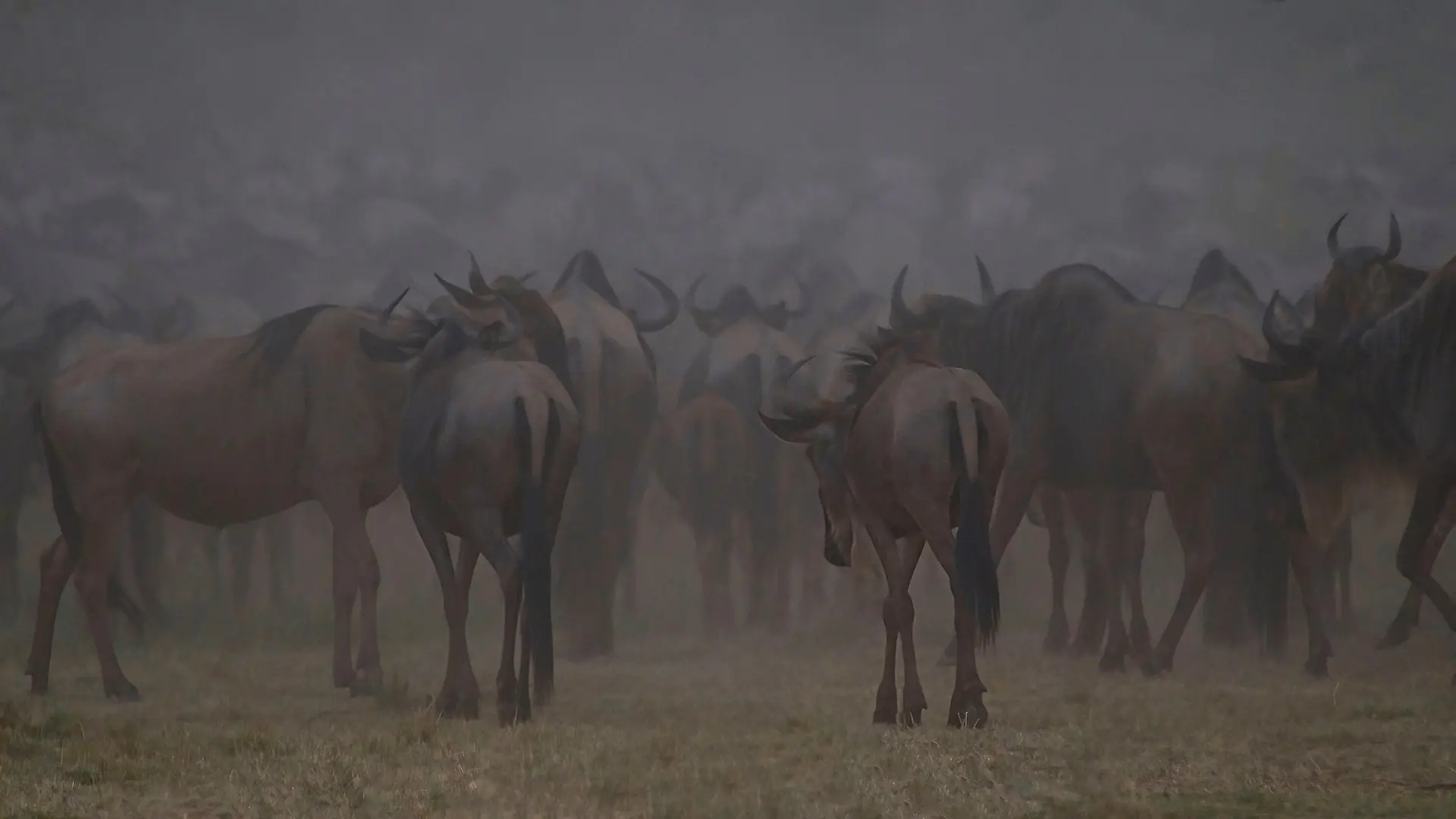
Wildebeest calving: Wildebeest herd in Tanzania

Wildlife guide

Wildebeest Calving in Serengeti

When and Where to See It

Wildebeest calving in Serengeti: when it happens, where to see it, what wildlife to expect, how long to stay and how to plan your first calving-season safari.

Dec–MarWider calving season
Jan–FebMain concentration of births
NdutuPlus the southern Serengeti plains
2–3 nightsUseful starting point for a stay

START HERE

Wildebeest calving in Serengeti: what to know

Watching wildebeest calving in Serengeti is one of the most remarkable wildlife experiences in Tanzania. Every year, hundreds of thousands of wildebeest calves are born in the southern Serengeti ecosystem, attracting predators and creating extraordinary opportunities for wildlife viewing and photography.

If you want to witness this natural event, timing and location matter. The herds move according to rainfall and fresh grazing, so choosing the right area is just as important as choosing the right month.

This guide explains when wildebeest calving happens, where to see it, what wildlife to expect, how long to stay and how to plan your first calving-season safari.

Important: Calving dates and herd locations change with rainfall. Treat the months in this guide as a planning range. Also read our Ndutu calving season guide.

Wildebeest calving quick facts

  1. Calving season: Generally December to March
  2. Main concentration of births: Usually January and February
  3. Main areas: Ndutu plains and the southern Serengeti plains
  4. Ndutu location: Ngorongoro Conservation Area, near the Serengeti boundary
  5. Suggested stay: Two to three nights as a starting point
  6. Best game drive times: Early morning and late afternoon
  7. Weather: Green season, so expect changeable conditions
  8. Guarantees: Timing and sightings depend on rainfall and herd movements

These are general planning guides, not a fixed wildlife schedule. Your operator’s current information takes precedence.

WHEN

When is wildebeest calving season in Serengeti?

Wildebeest calving season generally runs from December to March, with the main concentration of births usually occurring in January and February. February is often a particularly productive month for seeing newborn calves on the southern plains. The exact timing varies from year to year because the herds depend on seasonal rainfall and the availability of nutritious grass.

Here is a general guide to the calving season:

DecemberHerds gather across the southern plains as grazing conditions improve; some births may begin.
JanuaryCalving activity increases, with large herds and newborn calves appearing across the region.
FebruaryOften the peak period for births, with excellent opportunities to observe calves and predator activity.
MarchCalving may continue, although herd movements and grazing conditions begin to change.

Use these dates as a planning guide rather than a fixed wildlife schedule. Rainfall can shift the timing and distribution of the herds.

Planning tip: For travellers whose main priority is seeing newborn wildebeest, January and February are sensible months to consider. Allow some flexibility if your dates permit it.

WHERE

Where can you see wildebeest calving?

The best-known calving areas are the southern Serengeti plains and the nearby Ndutu region. These landscapes provide the short grass that wildebeest favour during the calving season.

1. Ndutu plains. Ndutu is one of the best-known places to experience wildebeest calving. Its open grasslands, seasonal water sources and surrounding woodland attract large numbers of wildebeest and zebras. The area lies within the Ngorongoro Conservation Area, close to the boundary of Serengeti National Park. Although it is not entirely inside Serengeti National Park, it forms part of the same wider ecosystem, and migrating herds move across the landscape. Read our full Ndutu calving season guide.

2. Southern Serengeti plains. The southern plains of Serengeti National Park are another important calving area. During the green season, the grasslands can support large concentrations of wildebeest and zebras, with opportunities to observe herd behaviour, newborn calves and predators moving through the area.

3. The wider Ndutu–southern Serengeti ecosystem. The herds do not remain in one small location throughout the season. Their distribution can shift between the Ndutu plains, southern Serengeti grasslands and surrounding areas, so it is worth choosing an operator that understands seasonal wildlife movements and can plan game drives around current conditions.

Check your camp: Confirm whether your camp is inside Serengeti National Park or in the neighbouring Ngorongoro Conservation Area, because the distinction affects the conservation authority, fees and logistics. Do not assume that a camp’s name or general location guarantees that the herds will be immediately nearby. Ask where the camp is situated and how it adapts game drives when the herds move.

WHY SOUTHERN SERENGETI

Why do wildebeest give birth in southern Serengeti?

The southern plains offer conditions that are particularly suitable for wildebeest during the calving period. Seasonal rains encourage fresh grass to grow, providing nutritious grazing for pregnant females and mothers nursing their calves. The open plains also offer visibility, allowing animals to detect potential threats across the landscape.

Wildebeest calving is highly concentrated compared with births in many other large mammals. Large numbers of calves are born within a relatively short period, increasing the chances that some survive despite the presence of predators.

The calving season is therefore an important part of the Great Wildebeest Migration, not a separate event unrelated to the wider movement of the herds.

HOW MANY CALVES

How many wildebeest calves are born?

The Serengeti ecosystem is famous for the enormous number of wildebeest born during the calving season. Estimates commonly cited by tourism and conservation sources suggest that hundreds of thousands of calves are born over a few weeks, with some sources estimating around half a million or more during the main period.

Daily birth estimates also vary, and figures such as several thousand calves per day should be understood as estimates rather than guaranteed numbers for every day or location.

The important point for visitors is that births occur across a large area. You may see newborn calves beside their mothers, groups of young wildebeest learning to move with the herd, or large concentrations of animals feeding on the plains.

Realistic expectations: You should not expect to witness an actual birth during every game drive. Calving is a natural process, and the timing of individual births cannot be predicted precisely.

WILDLIFE

What wildlife can you see during calving season?

Wildebeest calving attracts visitors interested in more than newborn animals. The concentration of prey also creates opportunities to observe predators and other wildlife.

  • Lions: may be found near large herds, taking advantage of opportunities to hunt. A hunt is never guaranteed, and responsible guides should not disturb wildlife to create a sighting.
  • Cheetahs: the open southern plains can provide good conditions for spotting them, although sightings depend on location and luck.
  • Spotted hyenas: important predators and scavengers that may be seen travelling across the plains, resting near a den or searching for food.
  • Leopards and jackals: leopards can be more difficult to spot because they often spend time in woodland, while jackals may be seen moving through the plains.
  • Zebras and other grazers: zebras and other grazing animals may be seen alongside the herds, while gazelles and numerous bird species add to the diversity.

The combination of open grasslands, large herds and predators makes the calving season rewarding for wildlife enthusiasts and photographers.

CALVING VS RIVER CROSSINGS

Is wildebeest calving season better than river-crossing season?

These are two different stages of the Great Wildebeest Migration, and they offer different experiences.

TimingCalving: usually January and February, within a broader December–March period. River crossings: often July–October in the northern Serengeti, depending on herd movements.
Best known forCalving: newborn calves and large concentrations of herds on the southern plains. River crossings: possible crossings of the Mara River.
PredatorsCalving: predator activity can be particularly interesting around the herds. River crossings: crocodiles and other predators may be present at crossings.
Main areasCalving: Ndutu and the southern Serengeti. River crossings: the northern Serengeti around the Mara River.

Neither experience is guaranteed on particular dates. River crossings are especially unpredictable, while calving also varies with rainfall and herd distribution.

Which to choose: If you are most interested in newborn animals and predator behaviour, consider the calving season. If your main goal is to see migrating herds near the Mara River, plan for the northern Serengeti during the likely crossing period.

HOW MANY DAYS

How many days do you need to see wildebeest calving?

For many visitors, spending two to three nights in the Ndutu or southern Serengeti region is a useful starting point. It provides time for several game drives and increases your opportunities to explore different areas. A longer stay may be worthwhile if you are a wildlife photographer, want a relaxed pace or have a particular interest in predator behaviour.

Your itinerary should account for travel time from Arusha or other starting points. A journey by road can take several hours, and the total time depends on the route, road conditions, stops and accommodation location. Flying to a suitable airstrip may reduce travel time, although it generally adds to the overall cost and comes with baggage restrictions.

Ask your operator: Ask how much time you will actually spend on game drives rather than looking only at the total number of days advertised.

BEST TIME OF DAY

What is the best time of day to see wildebeest calving?

Early morning and late afternoon game drives are often productive for wildlife viewing because temperatures are cooler and many animals are active. However, wildebeest can give birth or move with their calves at different times of the day. There is no specific hour when calving is guaranteed to occur.

A flexible schedule allows your guide to respond to wildlife reports, herd movements and local conditions.

If photography is a priority, ask your operator about the timing of game drives, the vehicle’s seating arrangement and whether the itinerary provides enough time to observe wildlife without rushing.

COST

What does a wildebeest calving safari cost?

There is no single price for a calving-season safari. Your total cost depends on accommodation, transport, group size, trip duration and the services included. Common cost factors include:

  • Park and conservation fees.
  • Accommodation in or near the calving areas.
  • A safari vehicle and professional guide.
  • Road transfers or domestic flights.
  • Meals and drinking water.
  • Tips and personal expenses.
  • Optional activities, such as a hot-air balloon safari where available.

The peak calving period can be popular, and accommodation prices vary considerably by camp category and availability. Request an itemised quotation and confirm whether your accommodation is in Serengeti National Park or the Ngorongoro Conservation Area, because the two areas have different fee structures.

Current fees: For current park fees, check the official Tanzania National Parks Authority tariff and confirm applicable Ngorongoro Conservation Area charges with your operator. See also our Tanzania safari cost guide.

PACKING

What should you pack for a calving-season safari?

The calving season falls during the green season, when weather can be changeable. Some days are warm and sunny, while rain may affect road conditions. Useful items include:

  • Lightweight clothing in neutral colours.
  • A warm layer for early-morning game drives.
  • A waterproof jacket.
  • Comfortable closed shoes.
  • Sunscreen, sunglasses and a hat.
  • Insect repellent.
  • Binoculars and a camera if you have them.
  • Spare batteries or a power bank.
  • Personal medication.
  • A small day bag and reusable water bottle, where appropriate.

If you are flying to the area, confirm baggage limits with your airline before departure. You do not need expensive equipment to enjoy the experience: a pair of binoculars and patience can make it easier to observe animals and their behaviour. Use our Tanzania safari packing list for more detail.

CHOOSING AN OPERATOR

How to choose a calving-season safari operator

A knowledgeable operator can help you select accommodation and routes suited to the expected seasonal movement of the herds. Before paying a deposit, check the operator’s relevant tourism licence, read independent reviews and request a written quotation. Confirm the following details:

  • The location of your accommodation.
  • The expected number of nights in the calving region.
  • Whether park and conservation fees are included.
  • Whether game drives are private or shared.
  • The vehicle and guide arrangements.
  • The cancellation and refund policy.
  • What happens if the herds move away from the planned area.

Be cautious: Be wary of promises that guarantee a specific birth, hunt or wildlife sighting on a particular day. No operator controls wild animal behaviour.

RESPONSIBLE VIEWING

Responsible wildlife viewing during calving season

Newborn animals can be vulnerable, so responsible wildlife viewing is particularly important during this period.

Follow your guide’s instructions, maintain a respectful distance and avoid pressuring drivers to approach animals too closely. Never encourage a vehicle to block a herd, separate a calf from its mother or disturb a predator-prey interaction.

Do not ask guides to chase wildlife for photographs. Respect park rules and stay within permitted routes. The aim is to observe the natural event without interfering with the animals’ behaviour.

FAQ

Frequently asked questions about wildebeest calving in Serengeti

Wildebeest calving: quick answers to the questions travellers ask most.

When is the peak wildebeest calving season in Serengeti?

January and February are generally the main months, with February often regarded as a peak period. The wider calving season can extend from December to March, depending on rainfall and grazing conditions.

Where is the best place to see wildebeest giving birth?

The Ndutu plains and southern Serengeti are the main areas associated with calving season. The best specific location changes with herd movements, so ask your operator about recent conditions before travelling.

Is Ndutu inside Serengeti National Park?

The Ndutu area lies within the Ngorongoro Conservation Area, near the Serengeti National Park boundary. It forms part of the same wider ecosystem, and wildebeest move freely between the areas.

Can I see wildebeest giving birth during a safari?

It is possible, but not guaranteed. You may see newborn calves, mothers with young animals or other calving-related behaviour without witnessing an actual birth.

Are predators easier to see during calving season?

The large concentrations of prey can attract predators such as lions, cheetahs and hyenas. This creates good opportunities for observing predator behaviour, but individual sightings and hunts remain unpredictable.

Is February a good month for a Serengeti safari?

February is generally a strong month to consider if your main interest is wildebeest calving. However, the best location and viewing conditions still depend on rainfall, herd movements and accommodation availability.

Should I book a calving-season safari in advance?

Booking ahead is sensible, particularly if you want a specific camp or lodge during January and February. Early planning also gives you time to compare prices, check inclusions and choose accommodation in a suitable location.

Share this guide

This guide offers general information: wildlife movements, dates, fees and prices vary and cannot be guaranteed. Always confirm current conditions with your tour operator before travelling.

Wildebeest calving in Serengeti: key takeaways

Wildebeest calving in Serengeti generally runs from December to March, with the main concentration of births in January and February on the Ndutu and southern Serengeti plains.

  • Timing and herd locations depend on rainfall, so allow flexibility and treat dates as a planning range.
  • Two to three nights in the Ndutu or southern Serengeti region is a useful starting point.
  • Seeing a birth is possible but never guaranteed, and no operator can promise a specific sighting.

Related guides

Continue planning with these Safari Best Tanzania guides.
0

Comments 0

Your email address will not be published. Please keep comments kind and relevant.

No comments yet. Be the first to share your thoughts.

Official sources

Check current rules, fees and entry requirements with these government and authority pages.

Tanzania Meteorological Authority (TMA) official weather forecastsNgorongoro Conservation Area Authority official site