Dry season, green season, the Great Migration, Zanzibar and Kilimanjaro, plus costs, crowds and what to pack for each period.
SBPublished bySafari Best TeamTravel guides & safari tips
Jun–OctClassic dry-season safari
Jan–FebSouthern Serengeti calving
Mar–MayLong rains, green and quiet
Jun–OctPopular for Zanzibar
INTRODUCTION
The best season depends on where and why
Tanzania offers wildlife safaris, the Great Migration, the beaches of Zanzibar and the landscapes of Mount Kilimanjaro, but your experience varies with when you visit and which regions you explore. Some travellers prefer the dry season for wildlife viewing and easier roads; others choose the green season for lush scenery, birdwatching and quieter experiences.
For many first-time northern-circuit safaris, June to October is an excellent period because conditions are generally drier. January and February can be rewarding for the southern Serengeti calving season. There is no single best season for every destination, and weather changes from year to year.
Best time by priority
Classic wildlife safari: June to October for much of northern Tanzania.
Wildebeest calving: January and February in the southern Serengeti and Ndutu, depending on rainfall.
Possible river crossings: July to October in the northern Serengeti, but unpredictable.
Zanzibar: June to October; January and February can also be hot and relatively dry.
Kilimanjaro: January to early March and June to October.
Green scenery, birds, lower costs: rainy and shoulder periods, though discounts are not guaranteed.
These are planning guidelines, not guarantees of sunshine, road access, wildlife sightings or summit success. Check current local conditions before travelling.
UNDERSTANDING THE SEASONS
Tanzania’s travel seasons explained
Tanzania is close to the equator, but its climate is shaped by elevation, geography, distance from the coast and regional rainfall. Understanding these differences helps you choose dates.
Main dry season: June to October
Generally drier across much of Tanzania. In many northern safari areas vegetation thins and animals gather near water, making wildlife easier to see in Serengeti, Ngorongoro and Tarangire.
Popular for Zanzibar and Kilimanjaro too, so demand is high and camps fill early. Highlands can be cold in the mornings and evenings; pack layers.
Shorter dry period: January and February
Often relatively dry in parts of the north and east, and generally warm. Interesting for the southern Serengeti and Ndutu calving season, though timing depends on rainfall.
Can suit a safari plus Zanzibar, but assess each destination separately.
Long rains: about March to May
Commonly the long rains in many northern and eastern areas, often wettest in April and May. Greener landscapes, dramatic skies, good birdwatching and fewer visitors.
Heavy rain can affect roads, travel times and activities, and some camps close seasonally. Ask about camp availability and vehicle suitability.
Short rains: about October to December
Often called Vuli. Intermittent showers rather than continuous rain, with greener landscapes and rewarding birdlife, though patterns vary.
Many safari activities continue, but showers can affect game drives and roads, so plan flexibly.
Why regions differ. Many northern and eastern areas have two rainy seasons (short rains around October to December, long rains around March to May). Much of central, southern, southwestern and western Tanzania has one main rainy season, often from around November into April or May. These are broad patterns, not fixed schedules; consult the Tanzania Meteorological Authority for current forecasts.
MONTH BY MONTH
Tanzania weather month by month
Use this calendar for planning. It describes typical seasonal tendencies, not a forecast for a particular date.
January
Southern Serengeti calving season, northern safaris and Zanzibar
Often relatively dry in parts of the north and east; warm, with regional differences.
February
Calving-season trips, beaches and mountain climbing
Often warm, with relatively dry conditions in parts of northern and eastern Tanzania.
March
Green landscapes, birdwatching and flexible safari itineraries
Transition into the long rains in many northern and eastern areas.
April
Rainy-season travel where roads and camps remain suitable
Often one of the wetter months in northern and eastern regions.
May
Green scenery and potentially quieter travel
Long rains may continue, sometimes easing toward the end of the month.
June
Northern-circuit safaris and mountain trekking
Generally drier conditions across much of the country.
July
Northern Serengeti trips and classic wildlife safaris
Usually dry in many regions; high demand in popular safari areas.
August
Safaris, Zanzibar and Kilimanjaro
Generally dry, with cool mornings in some highland areas.
September
Wildlife viewing, beach extensions and mountain climbs
Commonly dry in much of Tanzania.
October
Safaris, birdwatching and flexible travel
Often a transition toward the short rains in the north and east.
November
Green-season safaris and quieter experiences, depending on conditions
Short rains often affect northern and eastern areas.
December
Safaris, Zanzibar and family holidays
Short rains may continue in the north and east; holiday travel can be busy.
Conditions can differ substantially between regions in the same month. Before booking, check forecasts and operating conditions for the exact parks, coastlines and mountain routes you intend to visit. For a deeper breakdown, read our Best Time to Visit Tanzania: A Month-by-Month Guide.
WILDLIFE SAFARI
Best time to visit Tanzania for a wildlife safari
Tanzania offers wildlife viewing all year. The right season depends on the parks you want, your interests, your budget and how flexible you are.
June to October: the classic dry-season safari
Vegetation is often less dense and wildlife may concentrate around remaining water, helping guides locate animals and giving clearer views in some areas.
Serengeti: extensive grasslands, resident predators and seasonal movements of wildebeest and zebra. Ngorongoro: remarkable scenery and diverse wildlife in a compact area. Tarangire: baobabs and elephants, especially around water. Lake Manyara: forest, lake and open habitats that vary with water levels.
Popular period: book early if your dates are fixed.
January and February: calving-season opportunities
Large herds often gather on the southern Serengeti and Ndutu grasslands when fresh grazing is available, and calving commonly occurs around this time. Young animals may attract predators.
The herds do not follow an exact calendar. A particular birth, hunt or predator encounter cannot be promised.
March to May: green-season safaris
Beautiful scenery, lush grasslands, dramatic skies and often rewarding birdwatching, with a quieter atmosphere in some places.
Heavy rain can make roads difficult, wildlife may be more dispersed, thick vegetation can limit visibility and some camps close. Confirm operating conditions before paying.
November and December: changing conditions
The short rains can bring fresh vegetation to northern and eastern Tanzania. Many parks still offer safari experiences, though conditions may change during the trip.
December is a popular holiday month. Check Christmas and New Year prices and availability well in advance.
GREAT MIGRATION
When is the best time to see the Great Migration?
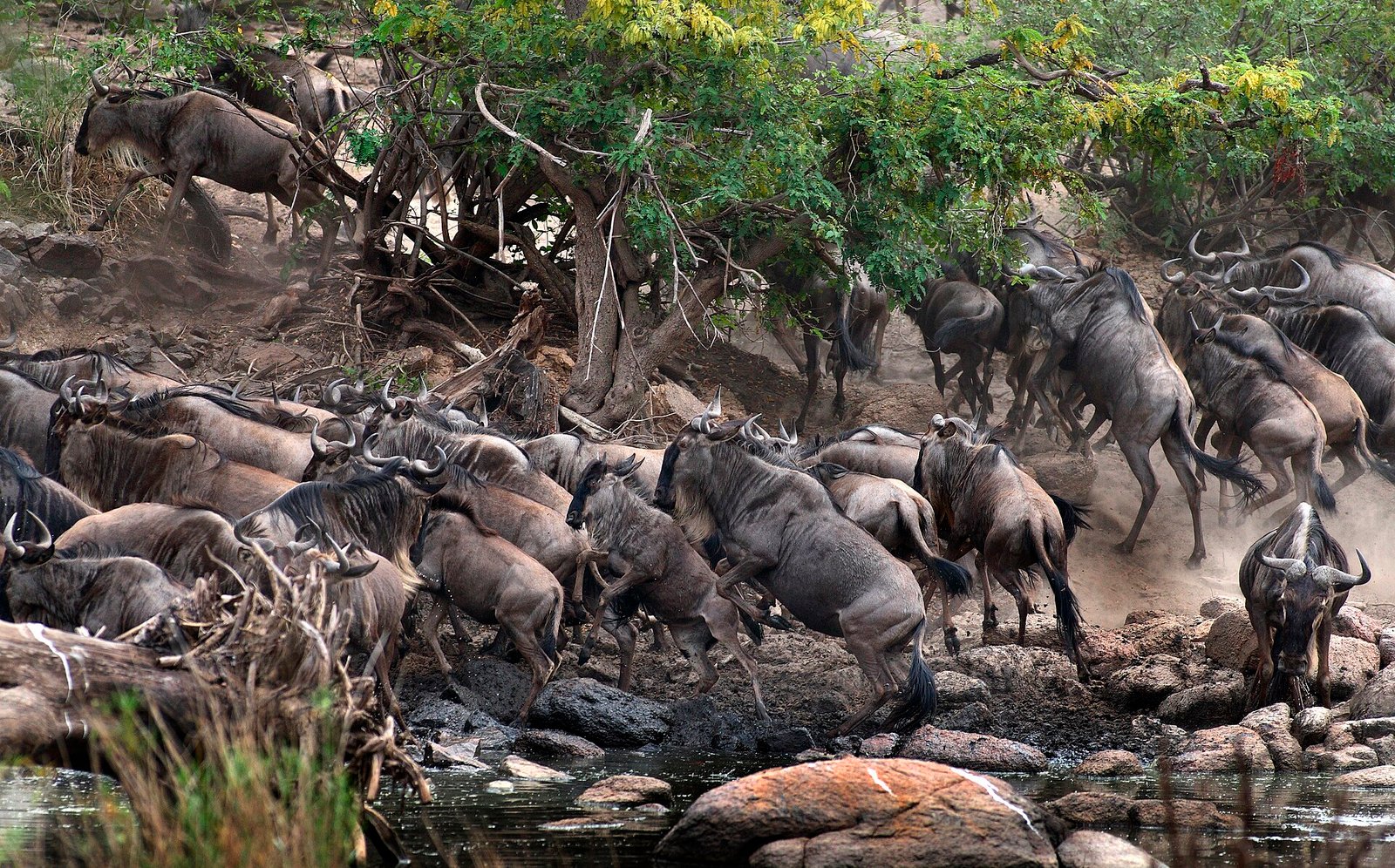
The Great Migration is the annual movement of wildebeest, zebra and other grazers across the Serengeti ecosystem and into Kenya’s Maasai Mara. The herds follow rainfall, fresh grazing and water rather than a fixed timetable. No month guarantees a particular event.
Jan–Mar
Southern Serengeti and calving
Large herds gather on the southern plains and around Ndutu, with calving often around January and February. Newborns can attract predators, but timing depends on local conditions and sightings remain unpredictable.
Apr–May
Movement across the plains
As rainfall and grazing change, herds may begin moving away from the southern plains. The landscape is green, but rain can affect driving conditions. Use recent reports from experienced guides rather than a calendar alone.
Jun–Jul
Central and western Serengeti
Sections of the migration may move through central Serengeti and toward the Western Corridor. In some years river crossings occur around the Grumeti region. Allow for changes in the herds’ movements.
Jul–Oct
Northern Serengeti and possible river crossings
During parts of the dry season herds may be in the northern Serengeti, and some cross the Mara River between Tanzania and Kenya. Crossings can be spectacular but are unpredictable: herds may approach and turn back, cross outside the expected window or remain elsewhere.
Nov–Dec
Movement toward the southern plains
Rainfall and new grazing may encourage herds to move south. Timing varies and the herds may be spread across different parts of the ecosystem.
If river crossings are your main priority
1Allow several days in the relevant region
2Select camps and routes using recent local knowledge
3Ask whether your itinerary can adapt if the herds move
4Budget for extra accommodation and transport in the northern Serengeti
5Value the wider ecosystem, not only whether a crossing occurs
Zanzibar is warm all year. Rainfall, humidity, tides, wind and sea conditions shape the experience.
June to October
Generally popular, with lower rainfall and good conditions for beaches, Stone Town and spice farms. Works well after a safari. Snorkelling, diving and boat trips may appeal, though sea conditions and visibility vary by location and day.
Reserve accommodation and key excursions early for peak dates.
January and February
Usually hot or warm, attractive for swimming and relaxing and for combining with a safari.
Humidity can be high and occasional rain is possible. Check sea conditions for diving, snorkelling or boat trips.
March to May
The long rains, heaviest in April and May. Some days still have sunny intervals, but prolonged showers can affect beach plans.
Quieter, and some providers may reduce rates, but not all do. Some properties or activities run seasonally. Confirm before non-refundable bookings.
October to December
Short rains may affect parts of these months. Rain can be intermittent, with timing and intensity varying.
Suits flexible travellers. Check sea conditions before booking water activities.
Tides and beach selection. Zanzibar’s east coast has noticeable tides: at some beaches the sea retreats far at low tide, changing swimming conditions and revealing tidal flats. Northern beaches such as Nungwi and Kendwa often differ from some east-coast beaches, but tides, wind and sea state still matter. Choose your stay by the activities you want, not just the season. Read our Zanzibar, Tanzania: The Complete Travel Guide for beaches, activities and places to stay.
KILIMANJARO
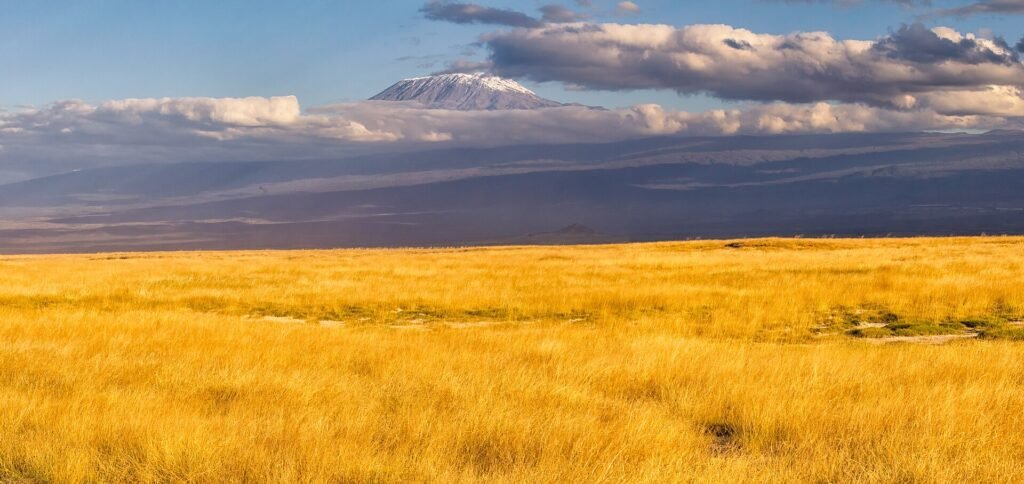
Best time to climb Mount Kilimanjaro
Kilimanjaro’s climate changes sharply with altitude. Conditions at the summit can differ greatly from Arusha or Moshi, and mountain weather can change quickly.
January to early March and June to October are commonly preferred climbing periods because conditions are often more favourable than during the main rains. The earlier period may be warmer, while June to October can be colder at higher elevations. April and May are often wetter and less popular; November and December may bring short-rain conditions.
Choose a reputable, properly equipped mountain operator
Select an itinerary with adequate time to acclimatise
Pack layers, waterproofs and suitable footwear
Follow your guide’s safety and weather advice
Prioritise a safe, well-paced climb over a rushed schedule
Season influences cost, but it is only one factor. Accommodation category, park fees, transport, group size, itinerary, availability and holiday dates all affect the total.
Peak season
June to October is high demand for many northern-circuit safaris. Christmas and New Year can also be busy, especially when combining a safari with Zanzibar.
Potential advantages: generally favourable weather; popular accommodation and activities more likely to operate; convenient for combining safari, beach and mountain.
Potential disadvantages: camps and lodges may fill early; some itineraries cost more; busy areas may have more vehicles.
Shoulder season
The weeks around seasonal transitions may balance conditions, visitor numbers and price. Weather is less predictable and the benefits vary by region.
Compare availability, cancellation terms and the specific route. A small saving is not worthwhile if your main goal is a particular migration area.
Rainy-season travel
Some accommodation providers and operators offer lower rates in quieter periods. Green landscapes and a different atmosphere can appeal to flexible travellers.
Discounts are not guaranteed. Some camps may close, roads may be difficult and weather may affect activities. Ask for a detailed quotation listing park fees, accommodation, transport, meals, activities and exclusions.
Start with the experience that matters most, then build your itinerary around it.
First-time northern-circuit safari: June–OctoberPopular and generally dry; book early.
Wildebeest calving: January–FebruaryTiming depends on rainfall and grazing.
Possible Mara River crossings: July–OctoberCrossings are never guaranteed.
Zanzibar beach holiday: June–October or January–FebruaryCheck local tides and sea conditions.
Kilimanjaro climb: January–early March or June–OctoberMountain weather changes rapidly.
Green landscapes and birdwatching: rainy or transitional periodsAllow flexibility for rainfall.
Potentially lower travel costs: selected rainy or shoulder datesConfirm rates and seasonal closures.
Safari and beach combination: June–October or January–FebruaryConsider weather in both destinations.
If you have one week
A week can suit a focused northern-circuit safari or a shorter safari plus a few beach days. Avoid too many distant parks; long transfers reduce time enjoying each place.
If you have ten days or more
More flexibility to combine several parks with Zanzibar or spend extra time in one Serengeti region. For the Great Migration, extra days in the relevant area help you adapt to herd movements.
Your packing list should reflect the destinations, season and activities on your itinerary.
Dry-season essentials
Lightweight, breathable clothing
A warm layer for early drives and highland evenings
Hat, sunglasses and sunscreen
Comfortable walking shoes
Reusable water bottle
Rainy-season essentials
Lightweight waterproof jacket
Quick-drying clothes and spare socks
Waterproof cover for phones and cameras
Shoes with good grip
Flexible layers
Kilimanjaro essentials
Technical layers for cold, wet conditions
Hiking boots and warm socks
Waterproof outer layers and gloves
Headwear for sun and cold
Gear recommended by your operator
Safari and Zanzibar
Pack practical safari clothing, beachwear and modest clothing for cultural or religious sites. Keep travel documents, medication and valuables secure.
Check airline baggage rules and the allowance set by your safari or mountain operator. For a full checklist, read our Tanzania Safari Packing List.
PLANNING TIPS
Practical tips for planning around the seasons
Check the region
Rainfall patterns differ between northern, central, southern, western and coastal destinations.
Treat calendars as guidance
Typical climate patterns cannot predict the exact weather on your dates.
Book strategically
If your dates overlap peak periods, holidays or popular migration routes, reserve key accommodation early.
Ask about flexibility
In rainy periods, understand what happens if a road becomes impassable or an excursion is postponed.
Avoid wildlife guarantees
No responsible operator can promise a particular animal, hunt or river crossing. Guides adapt to current conditions, but nature stays unpredictable.
Check official information
Confirm entry requirements, health advice, insurance and park-specific guidance before departure.
Travel responsibly. Follow your guide’s instructions, keep a respectful distance from wildlife and choose operators that respect park rules and local communities.
FAQ
Frequently asked questions
Quick answers about Tanzania travel seasons.
What is the best month to visit Tanzania?
There is no single best month for everyone. June to October is generally an excellent period for a classic northern-circuit safari, while January and February may be particularly appealing for travellers interested in the southern Serengeti calving season and warm beach weather.
Is Tanzania good to visit during the rainy season?
Yes, depending on your destination and expectations. The rainy season can bring greener landscapes, birdwatching opportunities and potentially quieter travel. However, rain can affect roads, excursions and camp operations, so check local conditions before booking.
Which months are best for a Tanzania safari?
June to October is popular for dry-season wildlife viewing across much of northern Tanzania. January and February can also be rewarding, particularly in the southern Serengeti during the calving season. Safaris remain possible outside these periods, although the experience may differ.
When is the Great Migration in Tanzania?
The Great Migration takes place throughout the year as herds move across the Serengeti ecosystem in response to rainfall and grazing. Calving often occurs in the southern Serengeti around January and February, while herds may move toward western and northern areas at other times.
Can I see a Mara River crossing in August?
August falls within a period when river crossings may occur in the northern Serengeti. However, crossings are unpredictable. The herds may be elsewhere, approach the river without crossing or cross at a different time. Allow several days in the region if crossings are a priority, and keep expectations flexible.
What is the best time to visit Zanzibar?
June to October is generally a popular dry-season period. January and February can also be attractive for a warm beach holiday. March to May is often wetter, while short rains may affect the island during parts of October to December.
When should I climb Mount Kilimanjaro?
January to early March and June to October are commonly preferred climbing periods. Mountain weather varies with altitude and can change rapidly. Choose a reputable operator and an itinerary that allows sufficient acclimatisation.
Is Tanzania cheaper during the rainy season?
Some hotels and tour operators offer lower rates during quieter periods, but savings are not guaranteed. Compare complete quotations and confirm whether camps, roads and activities will be available during your dates.
Is December a good time to visit Tanzania?
December can be rewarding for safaris and Zanzibar, particularly for travellers planning around holiday schedules. Short-rain showers may affect northern and eastern areas, while other parts of Tanzania follow different rainfall patterns. Christmas and New Year can be busy, so reserve popular accommodation early.
How far in advance should I book a Tanzania safari?
For popular dry-season dates, major holidays or migration-focused itineraries, booking several months in advance is sensible. The right lead time depends on your accommodation preferences, group size and flexibility. Confirm availability before arranging non-refundable flights or other travel.
Does the season guarantee wildlife sightings?
No. Seasonal conditions influence vegetation, water availability and animal movements, but sightings remain unpredictable. An experienced guide can use current conditions to plan game drives, but no particular sighting can be guaranteed.
FINAL THOUGHTS
Choose the season that matches your travel goals
The best time to visit Tanzania is the period that fits your priorities. June to October is an excellent starting point for many classic safaris and beach combinations. January and February can be rewarding for calving-season trips and warm coastal holidays. The rainier months may appeal if you value green scenery, flexibility and potentially quieter experiences.
Before choosing dates, think about the regions, the activities that matter most, your budget and how flexible you are. Use seasonal calendars as a guide, then confirm current conditions with official sources and experienced local operators. Plan carefully, travel responsibly and leave room for the unexpected.
1Pick your must-do experience
2Match it to a season
3Check each region
4Confirm current conditions
Share this guide
This guide offers general travel information, not guarantees: weather, seasons, park fees, rules and availability change. Confirm current details with the Tanzania Meteorological Authority, Tanzania National Parks, official sources and your chosen operator before travelling.