Between three ranges
The Kipengere, Poroto and Livingstone mountain ranges frame the plateau.


The Garden of God
The Complete Tanzania Wildflower, Hiking and Birdwatching Guide
A high-altitude plateau in the Southern Highlands where grasslands burst into colour: terrestrial orchids, rare birds, waterfalls and wide mountain views.
START HERE
Kitulo National Park is one of Tanzania’s most extraordinary destinations for wildflowers, mountain scenery, hiking and birdwatching. Locals call it Bustani ya Mungu, “The Garden of God”, while nature enthusiasts often describe it as the “Serengeti of Flowers”.
Unlike the famous wildlife parks, Kitulo is primarily a botanical destination, with terrestrial orchids, rare birds, endemic plants, waterfalls and walking trails across open mountain grasslands. The best time to visit depends on whether you want the plateau covered in flowers or drier conditions for walking.
Flowering depends on rainfall and local conditions, so the exact peak cannot be guaranteed. Ask park staff for recent reports before you book.
KEY FACTS
Figures taken from official sources. Authorities can revise them, so confirm the latest details before you travel.
Official sourcesTANAPA park brochure
LOCATION
In Tanzania’s Southern Highlands, on a high plateau around 2,600 metres above sea level.
The Kipengere, Poroto and Livingstone mountain ranges frame the plateau.
From Mbeya, via Chimala and Isyonje, and from the Njombe area. Conditions and travel times vary.
High elevation and open landscape feel very different from the Serengeti, coastal forests or beaches.
WHAT MAKES IT SPECIAL
Wildflowers, orchids, rare birds and open mountain scenery.
During the rains the grasslands fill with orchids, lilies, daisies, geraniums and other highland flowers.
Orchids that grow in the ground rather than on trees. Colours and flowering periods vary through the season.
Wide views across open hills and valleys, from clear horizons to mist drifting over the plateau.
A key destination for birdwatchers, alongside butterflies, frogs, lizards and chameleons.
Explore on foot and appreciate small details: flowers, birdsong and mountain light.
THINGS TO DO
Mostly on foot, and mostly about plants, birds and views.
 01
The signature activity. A guided walk helps you identify orchids; stay on permitted routes and avoid trampling plants.
 02
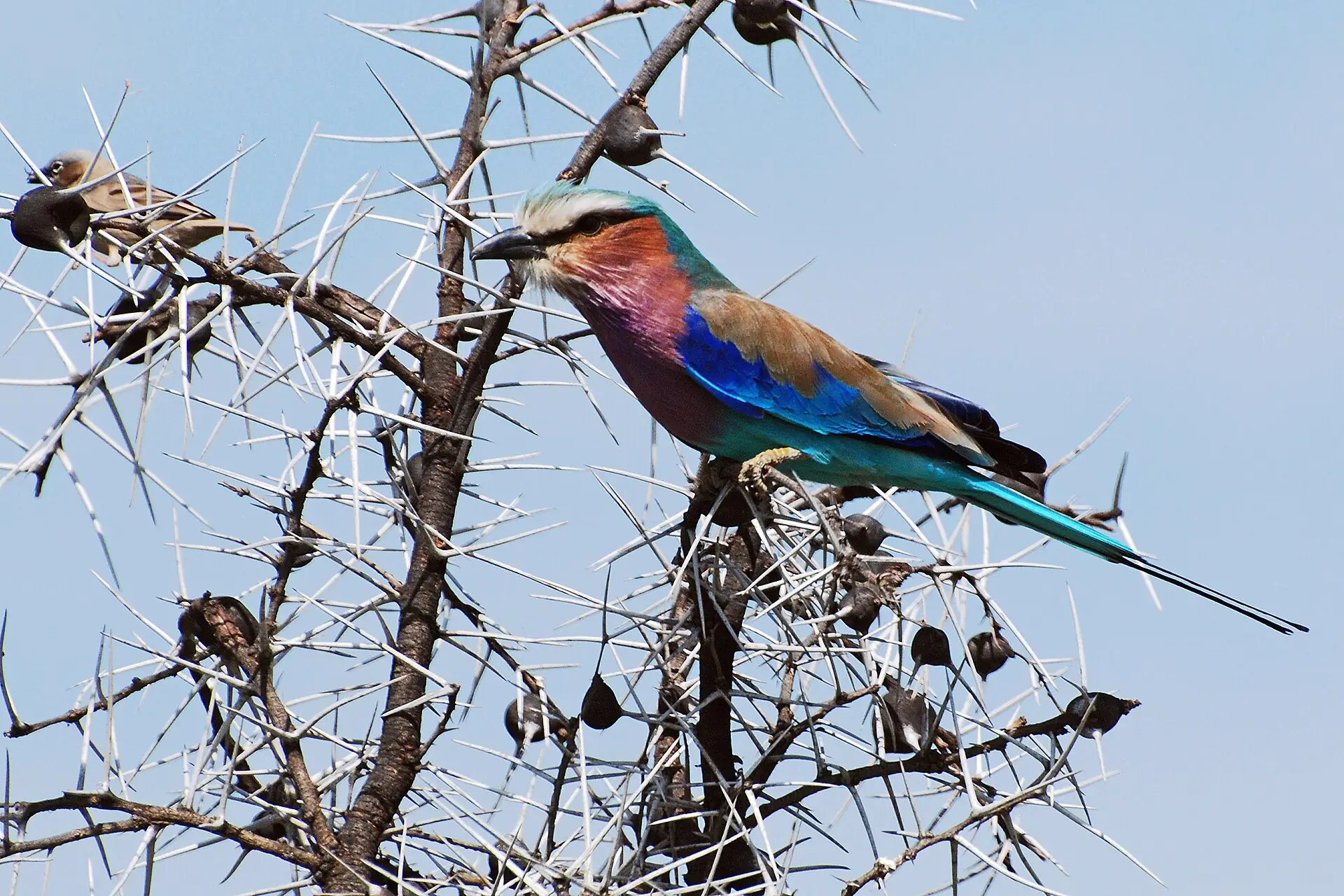
Look for Denham’s bustard, blue swallow, mountain marsh widow, Njombe cisticola and Kipengere seedeater. Sightings are never guaranteed.
03A drop of approximately 100 metres, reached on a trail with steep or uneven sections. Ask about conditions after rain.
 04
Smaller than Nhumbe, near the main access area. Confirm the best route and conditions first.
 05
Colourful foregrounds in flowering season and atmospheric mist. Never pick flowers to improve a shot.
06Possible excursions toward the Livingstone Mountains or views of Lake Nyasa. Longer routes need careful planning.
 07
A guided walk explains why grasslands and orchids need protection and why trails matter.
WILDLIFE
Better known for plants and birds than for large mammals.
Choose Kitulo for flowers, not big game. Expect botanical diversity, hiking and highland scenery rather than the dense wildlife of savannah parks.
BEST TIME TO VISIT
It depends on whether you want flowers, hiking or birdwatching.
Is Kitulo cold? Yes, compared with most safari destinations. At around 2,600 metres it can be cool, especially at night and in the early morning. Bring a warm jacket and rain protection.
HOW LONG TO STAY
It depends on how much walking you want and how far you are travelling.
GETTING THERE
Mainly by road from towns in the Southern Highlands.
WHERE TO STAY
Options are more limited than in major safari destinations.
COST
It depends on visitor category, fees, transport, accommodation, guiding and activities.
Check current fees. Fees may differ by nationality or residency category. Confirm the official tariff and ask whether a quotation includes park entry, transport, meals and a guide.
IS IT WORTH IT
Yes, if you want a nature experience centred on plants, mountains and walking.
Not for big cats. If your main goal is lions, cheetahs and large herds, Kitulo is not the best choice. Its appeal is the botanical richness of the plateau.
PRACTICAL TIPS
Cool, wet and remote: prepare accordingly.
FAQ
Quick answers about Kitulo National Park.
Kitulo is famous for seasonal wildflowers, terrestrial orchids, high-altitude grasslands, birdwatching and hiking. Its nickname, “The Garden of God”, reflects its floral displays.
In Tanzania’s Southern Highlands, between the Kipengere, Poroto and Livingstone mountain ranges, with road access from the Mbeya and Njombe areas.
The main flowering season generally runs from November to April. December to March is often useful for flower photography, although exact timing depends on rainfall and local conditions.
Official park information describes more than 350 plant species, including approximately 45 varieties of terrestrial orchids.
Yes, but the park is better known for flowers and birds than large mammals. Visitors may encounter antelope, zebra, small mammals, butterflies, reptiles and highland birds.
Yes. Nhumbe and Mwakipembo waterfalls are among the attractions. Ask park staff about route conditions, walking times and whether recent rain has affected access.
It can be. The park sits at approximately 2,600 metres above sea level, so bring warm clothing and rain protection, especially for early starts and overnight stays.
By road, through routes including Chimala and Isyonje. The best option depends on current road conditions and your destination within the park. A high-clearance 4×4 is recommended, particularly during the rains.
Yes. The dry season gives more manageable walking conditions, although the main wildflower display is associated with the rains. Prepare for cool temperatures and possible mist.
One day may be enough for a selected walk if you stay nearby. Two days or more give flexibility for hiking, birdwatching, flower photography and waterfalls.
PLAN YOUR TRIP
Kitulo offers one of Tanzania’s most distinctive natural experiences, with highland grasslands, orchids, waterfalls and rare birds.
Plan around the flowering season if plants are your priority, prepare for cool and changeable weather, and confirm transport and trail conditions in advance.
This guide is general travel-planning information. Park fees, operating arrangements and activity availability can change, so verify current details with the Tanzania National Parks Authority and the Safari Best Tanzania team before travel.
Kitulo National Park is a high plateau in the Southern Highlands famous for wildflowers, terrestrial orchids, rare birds and waterfalls. This page explains when to go, how to get there and what to expect.
Check current rules, fees and entry requirements with these government and authority pages.
Continue planning with these Safari Best Tanzania guides.
 Udzungwa Mountains National Park guide
 Game Drives in Tanzania: The Complete Guide
 Tanzania Safari Guide for First-Time Visitors: Everything You Need to Know
 How Much Does a Tanzania Safari Cost in 2026? A Complete Price Guide
 Best Time to Visit Tanzania: A Month-by-Month Guide
 Tanzania Safari Packing List: What to Pack for Your Trip
 Tanzania Visa 2026: Requirements, Fees and How to Apply
 Tanzania Travel Insurance 2026: Cost, Requirements and Coverage
AI-generated from this page. Please confirm the details with us.
Need help planning your safari?Unahitaji msaada?
We are here to answer your questions about parks, prices, best time to visit and your itinerary.
Please confirm important details with Safari Best Tanzania or official sources.

Automatic translation by Google Translate. It can contain errors, so confirm important details with us.