A remote, protected wilderness
Established in 1974 and covering about 4,471 square kilometres, Katavi’s remote location helps preserve its wilderness character.


Buffalo herds & hippo pools
The Complete Tanzania Safari Guide
One of Tanzania’s most remote safari destinations, famous for enormous buffalo herds, crowded hippo pools, crocodiles and wide-open floodplains in the wild west of the country.
START HERE
Katavi National Park is one of Tanzania’s most remote and rewarding safari destinations, famous for its enormous buffalo herds, crowded hippo pools, crocodiles and wide-open floodplains. Located in western Tanzania, it offers a very different experience from the more frequently visited parks of the northern safari circuit.
For travellers seeking a quieter safari with dramatic wildlife encounters and a strong sense of wilderness, Katavi is worth considering. During the dry season animals gather around shrinking water sources, creating excellent opportunities to observe wildlife in a landscape where visitor numbers are often low. This guide explains where Katavi is, which animals you can see, the best time to visit, how to get there and where to stay.
Sightings depend on season, water levels and animal movements. No park can guarantee a particular species.
LOCATION
In western Tanzania, around the town of Mpanda. Katavi forms part of the western safari circuit, a long way from the northern parks, so access takes more planning than a visit to Serengeti or Tarangire.
Established in 1974 and covering about 4,471 square kilometres, Katavi’s remote location helps preserve its wilderness character.
A large landscape of seasonal lakes, floodplains, rivers, grasslands and miombo woodland that changes dramatically through the year.
Travellers sometimes combine Katavi with Mahale Mountains National Park, although the remote transport needs careful planning.
Plan the journey first: Because Katavi is remote, check flights, road conditions and accommodation together before you commit to dates.
WHAT MAKES IT SPECIAL
A rare combination of big wildlife concentrations, open space and very few other vehicles.
Spectacular concentrations of Cape buffalo gather on the plains during the dry season to feed, drink and move between grazing areas.
Shrinking pools along the Katuma River can attract large numbers of hippos and Nile crocodiles.
Lions and spotted hyenas patrol the floodplains, while leopards inhabit suitable riverine and woodland areas.
Long stretches of wilderness with relatively few other safari vehicles, ideal for travellers who value solitude.
Seasonal wetlands, rivers and woodlands support resident and migratory birds, and authorised guided walks explore selected trails.
WILDLIFE
Wildlife viewing is strongly influenced by the seasonal movement of water. As the dry season progresses, animals gather around the remaining pools, rivers and floodplains.
Sightings vary: Wildlife depends on the season, animal movements and the time you spend exploring. A safari cannot guarantee a sighting of any particular predator.
BEST TIME TO VISIT
Katavi can be visited in different seasons, but the best time depends on your interests and the conditions you are prepared to encounter.
First-timers: For most first-time visitors whose main priority is wildlife viewing, the dry season is the most practical starting point.
THINGS TO DO
Activities depend on your accommodation, the season and park arrangements.
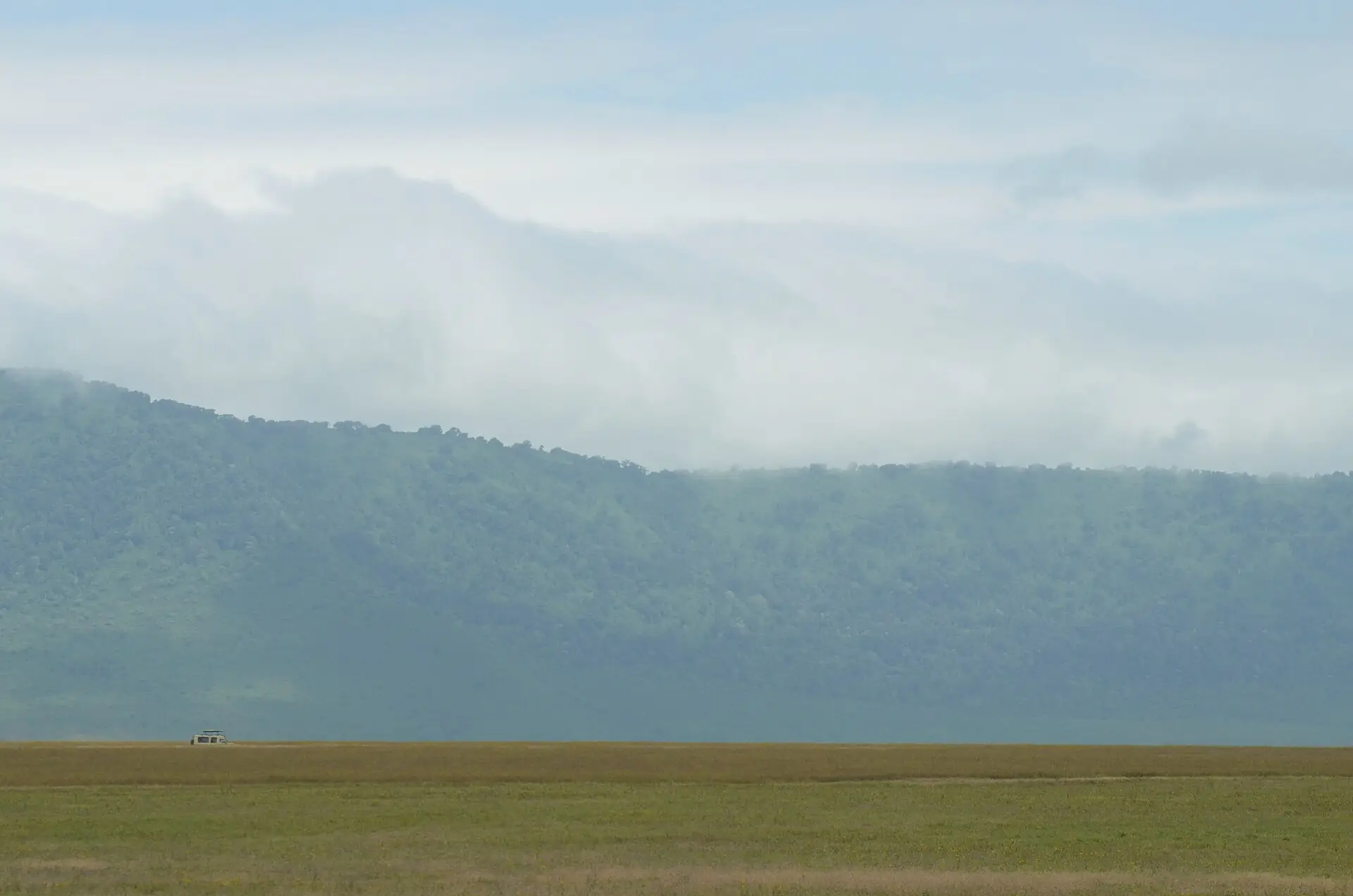 01
Early morning and late afternoon drives offer good chances to see buffalo, lions, hyenas and elephants, subject to park rules and conditions.
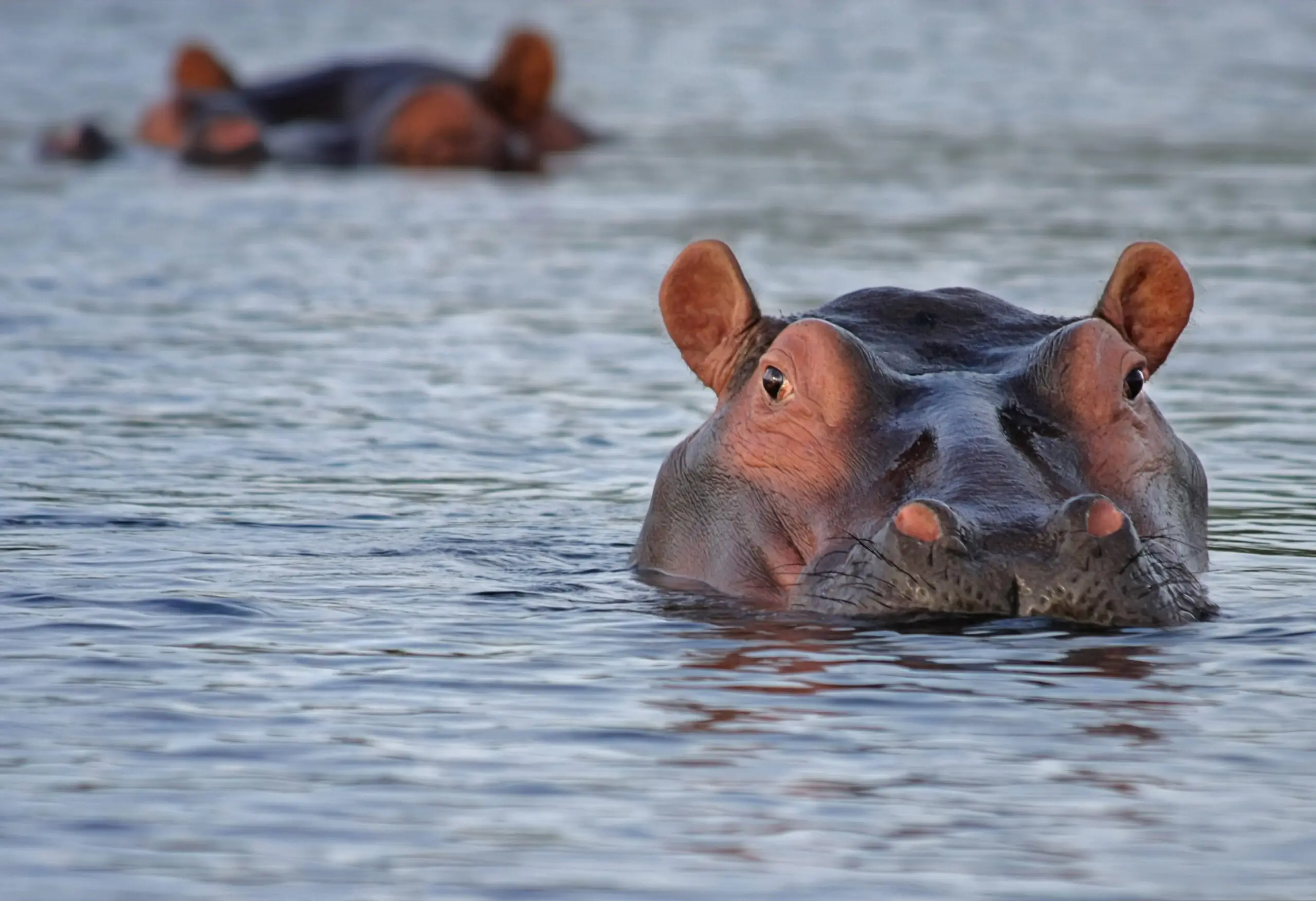 02
Watch groups of hippos resting, communicating and competing for space, and look for crocodiles on the banks. A highlight for photographers.
 03
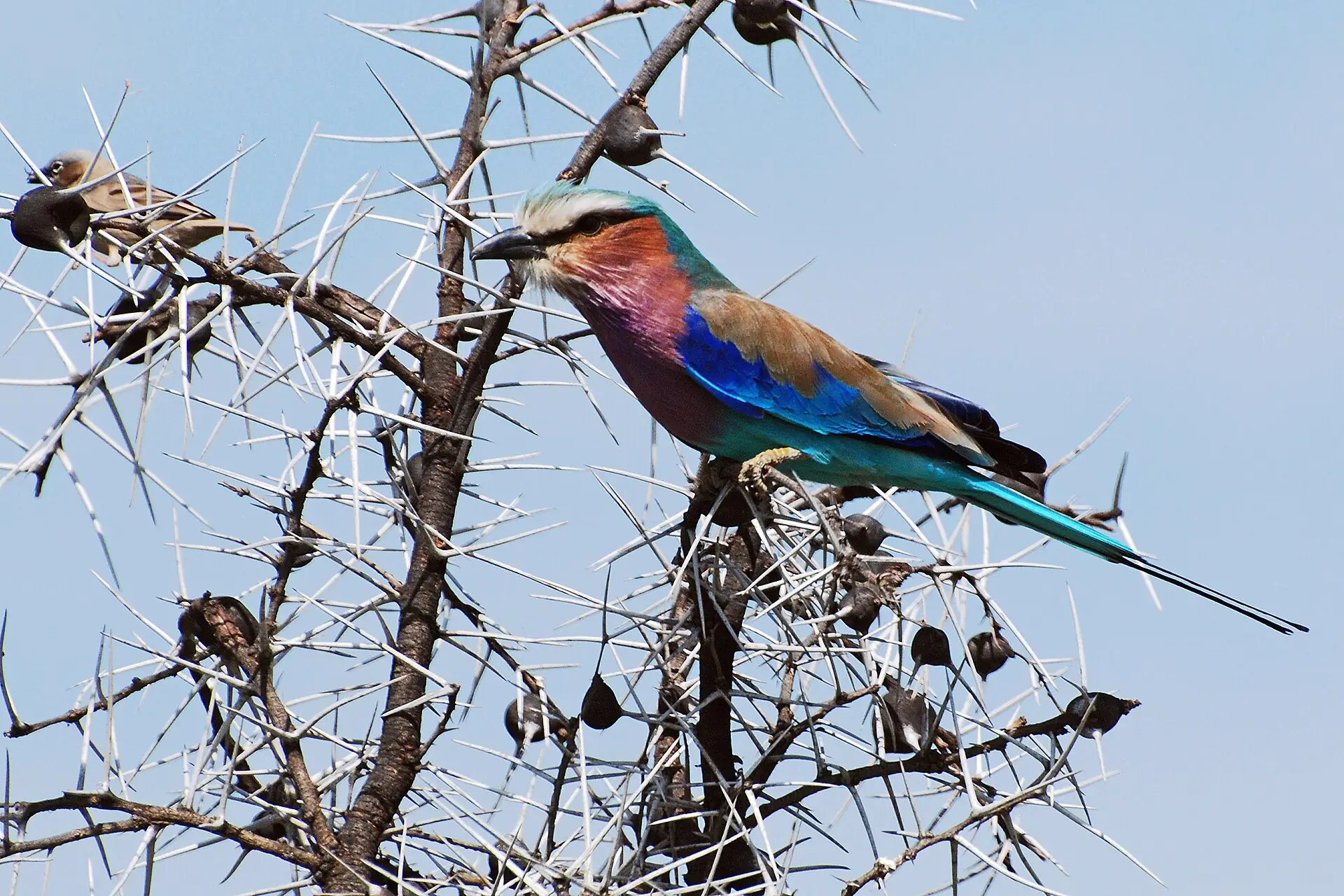
Look for saddle-billed storks, herons, pelicans, raptors and woodland species such as racket-tailed rollers. Bring binoculars.
04Authorised guided activities explore selected trails and may include routes towards Chorangwa and other waterfalls. Always walk with the required ranger or guide.
 05
Open floodplains, big herds and crowded pools make Katavi rewarding for wildlife and landscape photography.
HOW LONG TO STAY
Because Katavi is remote, allow enough time to make the journey worthwhile.
GETTING THERE
Katavi’s remote location is part of its appeal, but it needs more planning than many northern parks.
Chimpanzees next? Katavi pairs well with Mahale Mountains National Park, but transfers rely on flights, boats and local arrangements, so confirm the logistics before booking.
SAFARI COST
Costs depend on accommodation, season, group size, transport and the activities included. Flights or specialised road transport can be a large part of the total.
Compare carefully: Do not compare prices by the nightly rate alone. One property may include transport and game drives while another covers accommodation only. Check the current official tariff before finalising your budget.
WHERE TO STAY
Accommodation in Katavi is limited compared with the major northern destinations. That adds to the remote atmosphere, but it also means you should check availability early.
COMPARE
Neither park is universally better. The right choice depends on your interests, dates and budget.
Choose Katavi for remote wilderness and dry-season water concentrations; Serengeti if the Great Migration or an easier northern circuit is the priority.
PACK & TRAVEL WELL
Pack for hot days, cooler mornings and evenings, and limited supplies in a remote setting.
FAQ
Quick answers about Katavi National Park.
Yes, especially for travellers interested in remote wilderness, large buffalo herds, hippos, crocodiles and wildlife viewing away from busy safari routes. Its location and limited accommodation make it less convenient than some other parks, so it is best suited to travellers willing to plan ahead.
Katavi is particularly famous for large buffalo herds, hippo pools, Nile crocodiles, open floodplains and its relatively low visitor numbers.
The dry season, broadly June to October, is generally best for concentrated wildlife viewing. September and October can be particularly rewarding when water levels have fallen, but conditions differ from year to year.
A day trip is generally impractical because of the park’s remote location and travel requirements. Allow several nights if you want to make the journey worthwhile.
Yes. Lions occur in Katavi and may be seen around the floodplains and other wildlife areas. Sightings depend on natural movements and conditions, so they cannot be guaranteed.
Neither park is universally better. Serengeti is famous for its vast savannahs, resident wildlife and the Great Wildebeest Migration. Katavi offers a more remote experience, with distinctive dry-season wildlife concentrations and often fewer vehicles. The right choice depends on your interests, dates and budget.
Yes, road access is possible, but journeys can be long and road conditions challenging. A suitable four-wheel-drive vehicle and careful planning are important. Check current route conditions before departure.
It can be, particularly for travellers who value wilderness and have enough time and budget. However, its remoteness, limited accommodation and transport logistics mean first-time visitors may find the northern safari circuit easier to organise.
PLAN YOUR TRIP
Katavi National Park is a remarkable destination for travellers who want to explore Tanzania beyond its most famous safari areas. Open floodplains, large buffalo herds, hippo pools, crocodiles and a remote atmosphere offer a distinctive wildlife experience.
For the best chance of seeing wildlife concentrated around water, consider the dry season, particularly June to October. Plan several nights, confirm accommodation and transport early, and compare Katavi with the more accessible northern circuit if this is your first trip to Tanzania.
This guide is general travel-planning information. Park fees, operating arrangements and activity availability can change, so verify current details with the Tanzania National Parks Authority and your accommodation or transport provider before travel. Hero photo: “Hippo, Katavi” by Calle v H via Wikimedia Commons, CC BY 2.0.
Katavi National Park is a remote western Tanzania safari destination known for buffalo herds, hippo pools and open floodplains. This page explains how to visit Katavi National Park, when to go and what to expect.
Check current rules, fees and entry requirements with these government and authority pages.
Continue planning with these Safari Best Tanzania guides.
 Mahale Mountains National Park: The Complete Tanzania Chimpanzee Trekking Guide
 Ruaha National Park: The Complete Tanzania Safari Guide
 How Many Days Do You Need for a Tanzania Safari?
 Game Drives in Tanzania: The Complete Guide
 Tanzania Safari Guide for First-Time Visitors: Everything You Need to KnowHow Much Does a Tanzania Safari Cost in 2026? A Complete Price Guide
 Best Time to Visit Tanzania: A Month-by-Month Guide
 Tanzania Safari Packing List: What to Pack for Your Trip
 Tanzania Visa 2026: Requirements, Fees and How to Apply
 Tanzania Travel Insurance 2026: Cost, Requirements and Coverage
AI-generated from this page. Please confirm the details with us.
Need help planning your safari?Unahitaji msaada?
We are here to answer your questions about parks, prices, best time to visit and your itinerary.
Please confirm important details with Safari Best Tanzania or official sources.

Automatic translation by Google Translate. It can contain errors, so confirm important details with us.