A large protected area
About 3,200 square kilometres of dry savannah and woodland habitats.


Black rhinos & wild dogs
The Complete Tanzania Safari Guide
A quieter northeastern Tanzania park known for its endangered black rhinos, African wild dogs, dry savannah landscapes and mountain views near the Kenyan border.
START HERE
Mkomazi National Park is one of Tanzania’s most distinctive wildlife destinations, known for its endangered black rhinos, African wild dogs, dry savannah landscapes and impressive mountain views. Located in northeastern Tanzania near the Kenyan border, it offers a quieter safari experience away from the busiest parks.
The park is particularly appealing to travellers interested in conservation, unusual antelope species, birdwatching and less-crowded game drives. It also fits neatly with the Pare Mountains, the Kilimanjaro region and other northern destinations. Mkomazi is part of the wider ecosystem connected to Kenya’s Tsavo protected areas.
Rhinos, wild dogs and big cats are hard to find. No particular sighting is guaranteed.
LOCATION
In northeastern Tanzania, across parts of the Kilimanjaro and Tanga regions, near the town of Same and the wider Tsavo ecosystem in Kenya.
About 3,200 square kilometres of dry savannah and woodland habitats.
Open plains, thornbush country, baobab trees and distant mountains. Kilimanjaro may be visible in clear weather.
A useful option for travellers who want to go beyond the Serengeti–Ngorongoro route, or add to a Moshi or Pare Mountains trip.
Distances matter: Road conditions and distances affect how much you can do in one day, so plan transport carefully.
WHAT MAKES IT SPECIAL
Four reasons Mkomazi stands out from the busier northern parks.
The park supports protection of the endangered eastern black rhinoceros. Sanctuary areas play a role in conservation, monitoring and education.
Mkomazi is associated with wild dog conservation and reintroduction. These elusive carnivores are never guaranteed.
Mkomazi generally attracts fewer visitors, though fewer visitors do not automatically mean more sightings.
Baobabs, thornbush plains and distant mountains give a different visual experience from the Serengeti grasslands.
WILDLIFE
Mkomazi supports mammals adapted to dry savannah and woodland, and is particularly notable for its conservation species and unusual antelopes.
The Big Five? Mkomazi has records of elephant, lion, leopard, buffalo and black rhino, but this does not mean visitors are likely to see all five on one trip.
BEST TIME TO VISIT
Mkomazi can be visited throughout the year, but the best period depends on your priorities.
First-timers: Late June to October is a strong starting point for most first visits.
THINGS TO DO
Mkomazi rewards unhurried exploration with a knowledgeable guide.
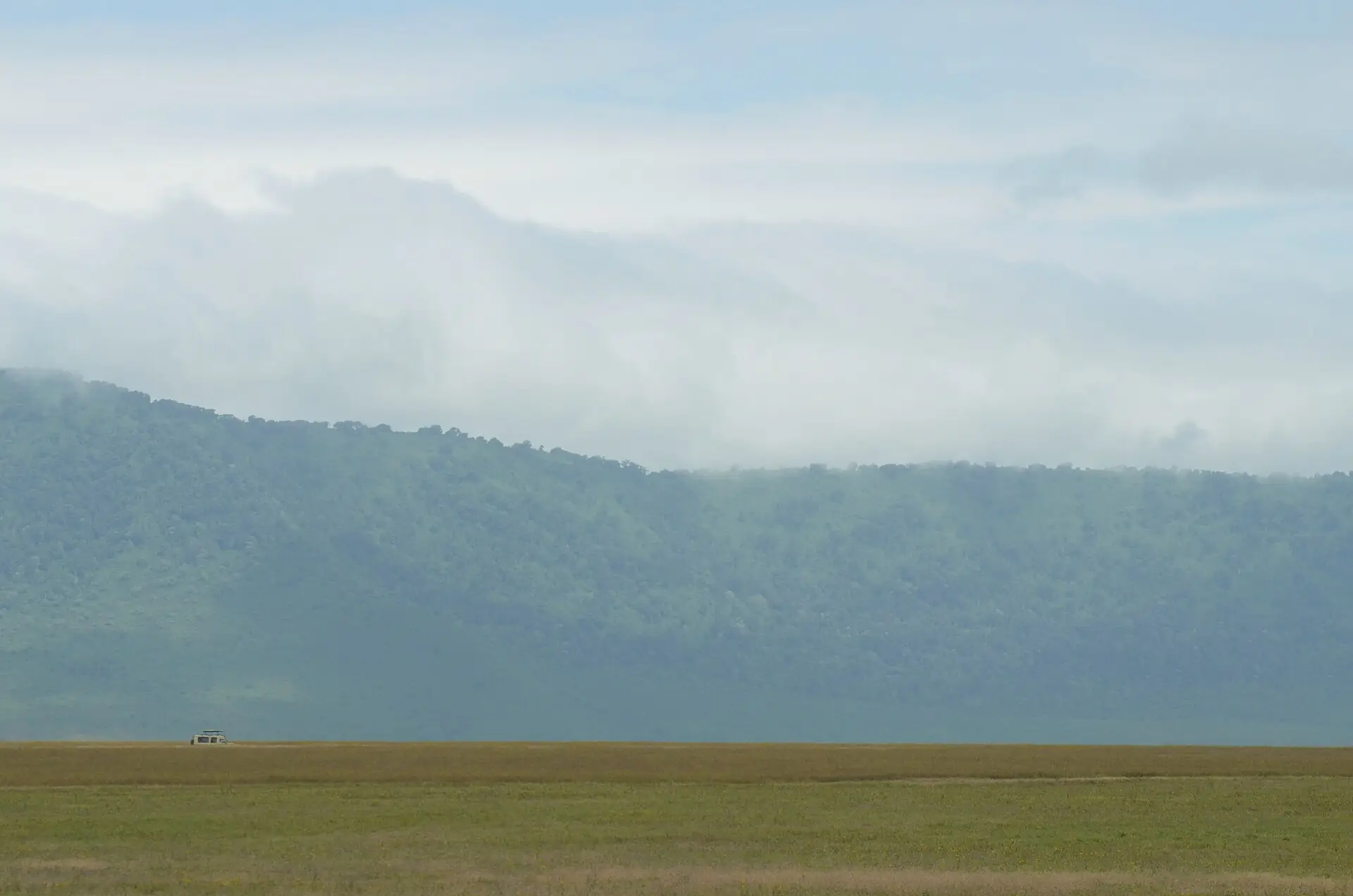 01
Search for mammals, observe birds and appreciate dry-country habitats. Morning and late-afternoon drives are often more comfortable.
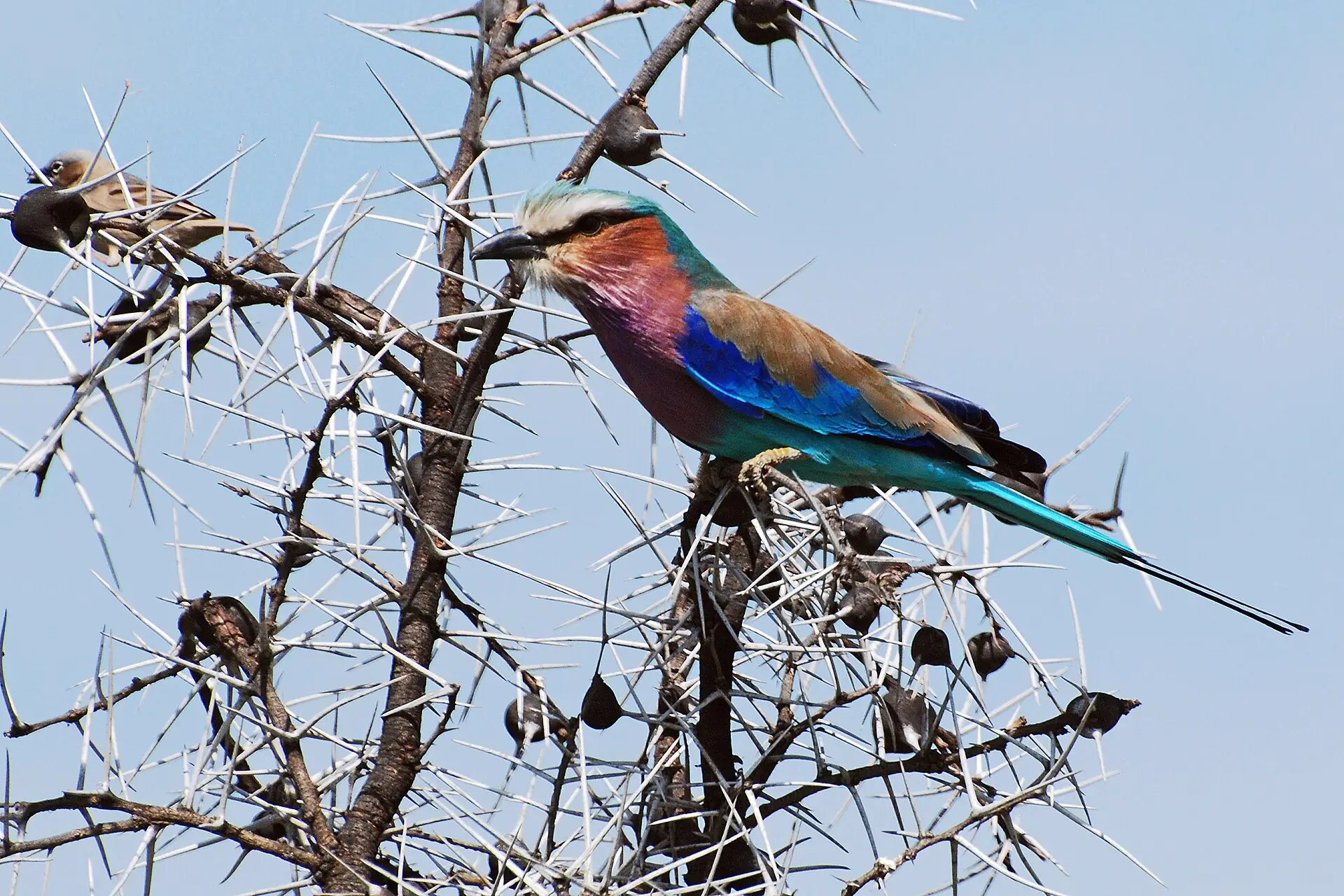 02
Learn about the protection and monitoring of black rhinos. Confirm access and follow ranger instructions; close encounters are not guaranteed.
 03
Tell your guide before you go and ask about recent activity. Patience and realistic expectations are important.
 04
Look for vulturine guineafowl, ostriches, secretarybirds, kori bustards, hornbills and bee-eaters.
 05
Baobabs, thornbush plains, mountain views and unusual antelopes. Bring a telephoto lens and keep a safe distance.
HOW LONG TO STAY
The time you need depends on your interests and how far you are travelling.
GETTING THERE
The best route depends on your starting point, the entrance you plan to use and current road conditions.
Vehicle: A suitable safari vehicle is recommended, particularly in wet conditions or on rougher tracks.
SAFARI COST
The total depends on your visitor category, park fees, transport, accommodation, guiding and any special activities.
Check current fees: Park fees can change, so check the current official tariff before travelling and confirm whether a rhino sanctuary visit needs a separate arrangement.
WHERE TO STAY
Choices include camping, selected safari accommodation in or around the park, and hotels or guesthouses in nearby towns such as Same.
COMPARE
Neither park is universally better. Mkomazi suits quieter, conservation-focused travel, while Serengeti offers vast numbers of animals.
Choose Mkomazi for conservation, birds and quiet; compare Serengeti, Ngorongoro and Tarangire for the highest concentrations of large mammals.
PACK & TRAVEL WELL
Pack for a hot, dry environment with strong sun.
FAQ
Quick answers about Mkomazi National Park.
Mkomazi is especially known for its black rhino sanctuary, African wild dog conservation efforts, dry savannah landscapes and unusual antelope species.
It is in northeastern Tanzania, in the Kilimanjaro and Tanga regions, near Same and the Kenyan border.
The park protects black rhinos in a sanctuary. Confirm whether sanctuary access is available and what arrangements are required before travelling.
Yes. Mkomazi is associated with African wild dog conservation and reintroduction. However, these animals are elusive, and sightings are not guaranteed.
Wildlife recorded in the park includes elephants, giraffes, buffalo, zebras, wildebeest, lions, leopards, several antelope species, black rhinos and African wild dogs. What you see depends on conditions and animal movements.
Late June to October is generally a strong period for wildlife viewing because vegetation is often thinner. The park can be visited year-round, but the rainy season may affect road conditions.
A day trip may be possible, depending on your transport and the activities you want to do. Confirm journey times, gate access and the schedule with your driver or accommodation provider.
Yes. The park has diverse dry-country habitats and a substantial variety of recorded bird species. Binoculars and a knowledgeable guide can help you get more from the experience.
Mount Kilimanjaro may be visible when weather and visibility are favourable. Cloud cover can obscure the mountain, so a view cannot be guaranteed.
Neither park is universally better. Serengeti is famous for its extensive plains, large wildlife populations and Great Migration. Mkomazi is notable for black rhino conservation, African wild dogs, unusual antelopes and a quieter dry-country landscape.
PLAN YOUR TRIP
Mkomazi National Park offers a distinctive safari experience in northeastern Tanzania. Its black rhino sanctuary, African wild dog conservation efforts, unusual antelopes, birdlife and dry savannah landscapes make it especially appealing to travellers who want to explore beyond the most famous parks.
Plan around your wildlife interests, check current road and sanctuary access, and allow enough time to explore without rushing. Whether you are a wildlife enthusiast, a birdwatcher or a traveller seeking a quieter safari, Mkomazi deserves consideration.
This guide is general travel-planning information. Park fees, operating arrangements and activity availability can change, so verify current details with the Tanzania National Parks Authority and your accommodation or transport provider before travel. Hero photo: “Mkomazi National Park-Rhino” by the U.S. Fish and Wildlife Service via Wikimedia Commons, public domain.
Mkomazi National Park is a northeastern Tanzania park known for black rhinos, African wild dogs and dry savannah scenery. This page explains how to visit Mkomazi National Park, when to go and what to expect.
Check current rules, fees and entry requirements with these government and authority pages.
Continue planning with these Safari Best Tanzania guides.
 Mount Kilimanjaro
 Arusha National Park
 How Many Days Do You Need for a Tanzania Safari?
 Game Drives in Tanzania: The Complete Guide
 Tanzania Safari Guide for First-Time Visitors: Everything You Need to KnowHow Much Does a Tanzania Safari Cost in 2026? A Complete Price Guide
 Best Time to Visit Tanzania: A Month-by-Month Guide
 Tanzania Safari Packing List: What to Pack for Your Trip
 Tanzania Visa 2026: Requirements, Fees and How to Apply
 Tanzania Travel Insurance 2026: Cost, Requirements and Coverage
AI-generated from this page. Please confirm the details with us.
Need help planning your safari?Unahitaji msaada?
We are here to answer your questions about parks, prices, best time to visit and your itinerary.
Please confirm important details with Safari Best Tanzania or official sources.
Automatic translation by Google Translate. It can contain errors, so confirm important details with us.