Near two borders
Close to the Ugandan and Rwandan borderlands, in a landscape of hills, forests, wetlands and rural communities.


Hills, rivers & wetlands
The Complete Tanzania Travel Guide
A lesser-known wilderness in Kagera Region: green hills, river valleys, wetlands, woodland and diverse habitats near the borders with Uganda and Rwanda.
START HERE
Rumanyika-Karagwe National Park is a lesser-known wilderness destination in northwestern Tanzania, with green hills, river valleys, wetlands, woodland and diverse wildlife habitats. It lies in Kagera Region near the borders with Uganda and Rwanda.
Established as a national park in 2019, it suits travellers who enjoy nature, birdwatching and landscape photography. It is better approached as a developing nature destination where planning, local guidance and realistic expectations are important.
Services and access may be more limited than in the established safari circuit. Confirm routes, activities and facilities with park management first.
KEY FACTS
Figures taken from official sources. Authorities can revise them, so confirm the latest details before you travel.
Official sourcesTANAPA park brochure
LOCATION
In Kagera Region, within the wider Karagwe and Kyerwa area.
Close to the Ugandan and Rwandan borderlands, in a landscape of hills, forests, wetlands and rural communities.
Organise transport carefully and confirm which entrance and wildlife-viewing areas are accessible.
Confirm the route with Tanzania National Parks and current road conditions with park staff.
WHAT MAKES IT SPECIAL
Variety of landscape rather than size alone.
A relatively deep valley with a slow, winding river that spreads into lakes and swamps.
Tall-grass savannah, forest patches and dense bush on lower slopes; forested hills and woodland above.
Considerable potential for wildlife and photographic tourism, but do not expect the infrastructure of Serengeti or Tarangire.
WILDLIFE
Sightings depend on season, area visited and current wildlife movements.
Chimpanzees or gorillas? Older official information said authorities were assessing whether they occur. This is not confirmation that trekking is available. For chimpanzees, see Gombe Stream and Mahale Mountains, and verify arrangements with the parks.
BIRDWATCHING
Several habitats: wetlands, river corridors, woodland, forest patches and grassland.
THINGS TO DO
Confirm which routes and activities are currently open.
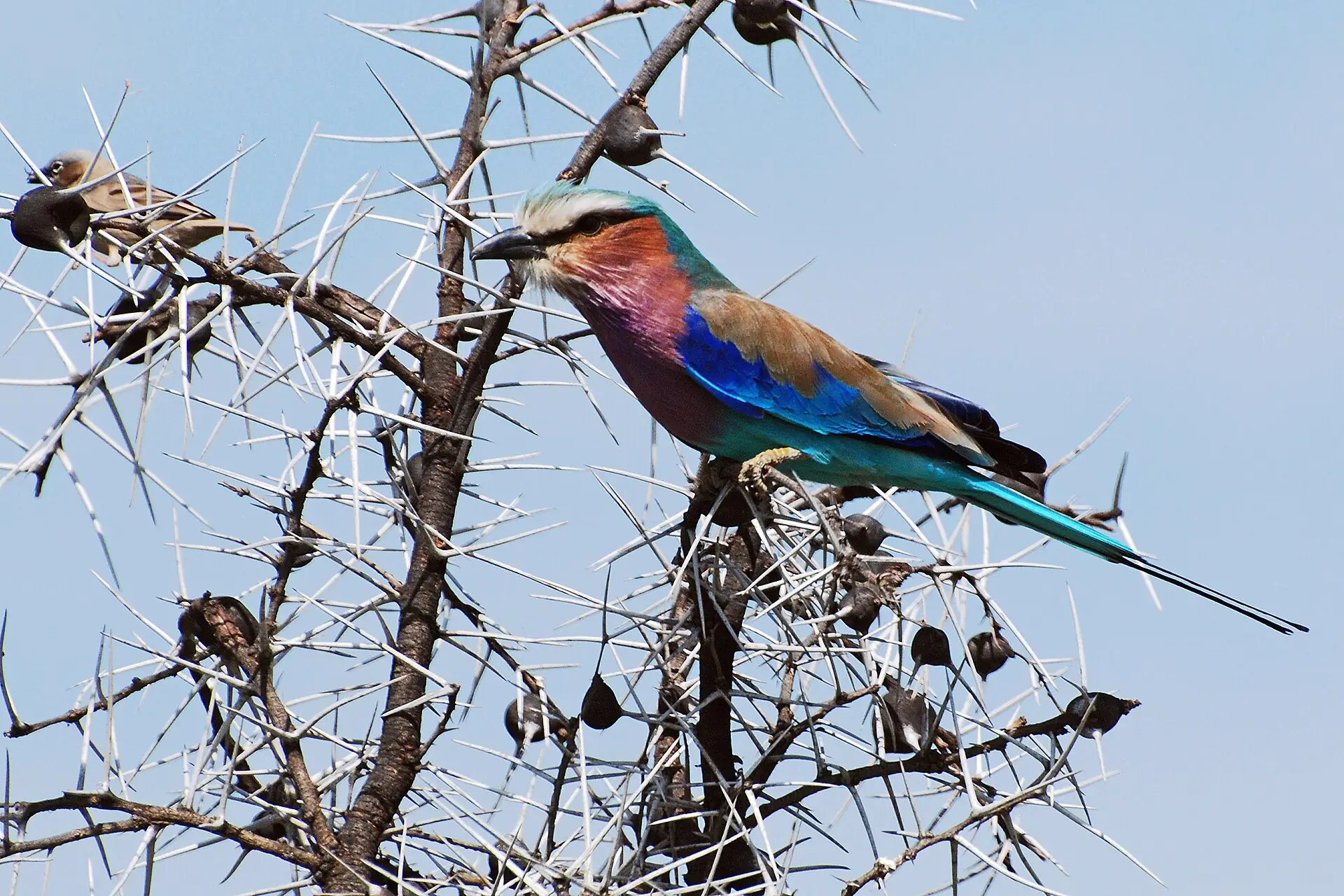 01
River valleys, grassy slopes, woodland and wetlands. Confirm access conditions and travel times first.
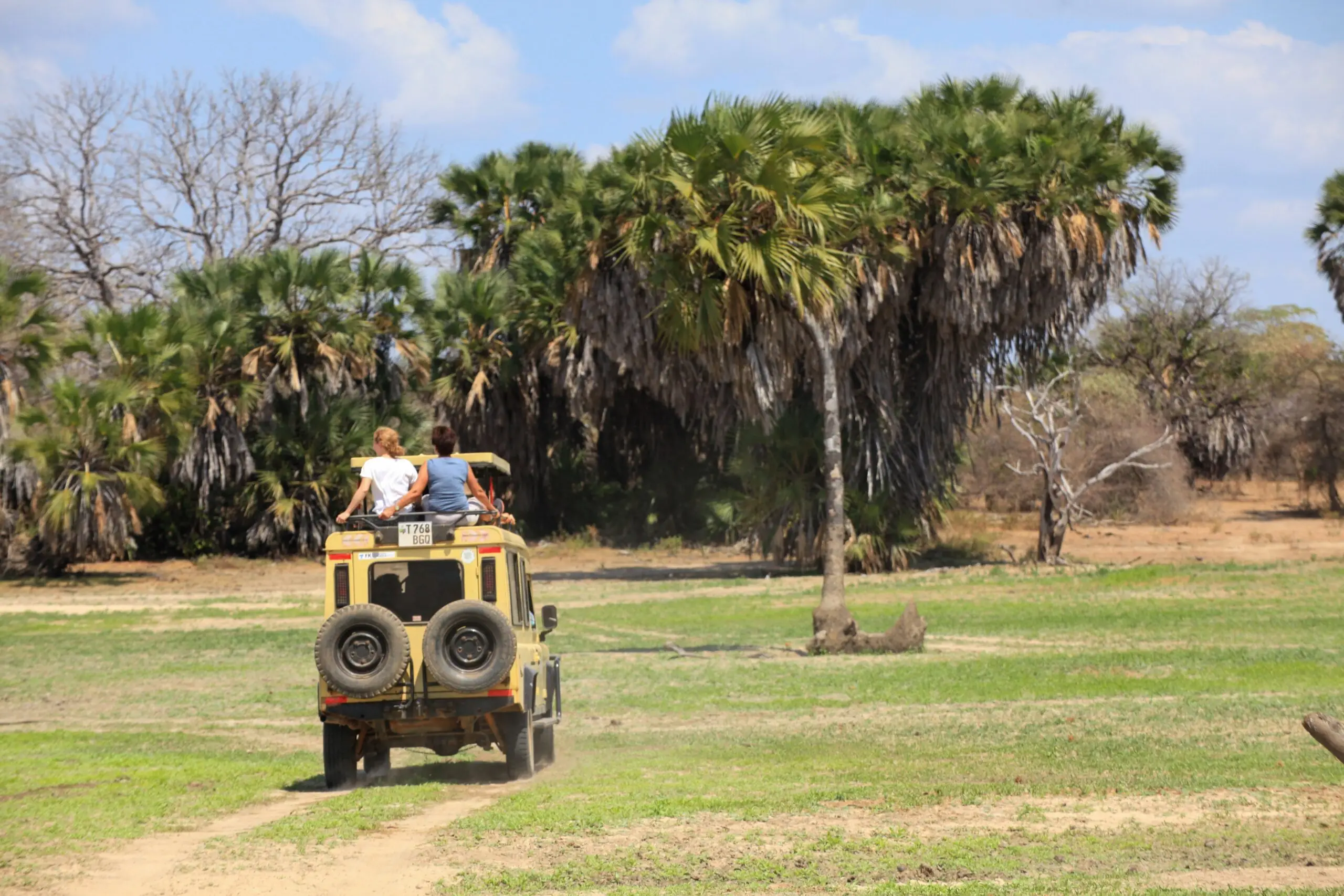 02
Ask which roads are open and whether a suitable vehicle is required.
 03
Appreciate the diverse habitats even when large mammals are hard to find.
 04
Forested slopes, waterways and clearings. Allow extra time to reach viewpoints.
 05
Best for visitors comfortable with limited services and access.
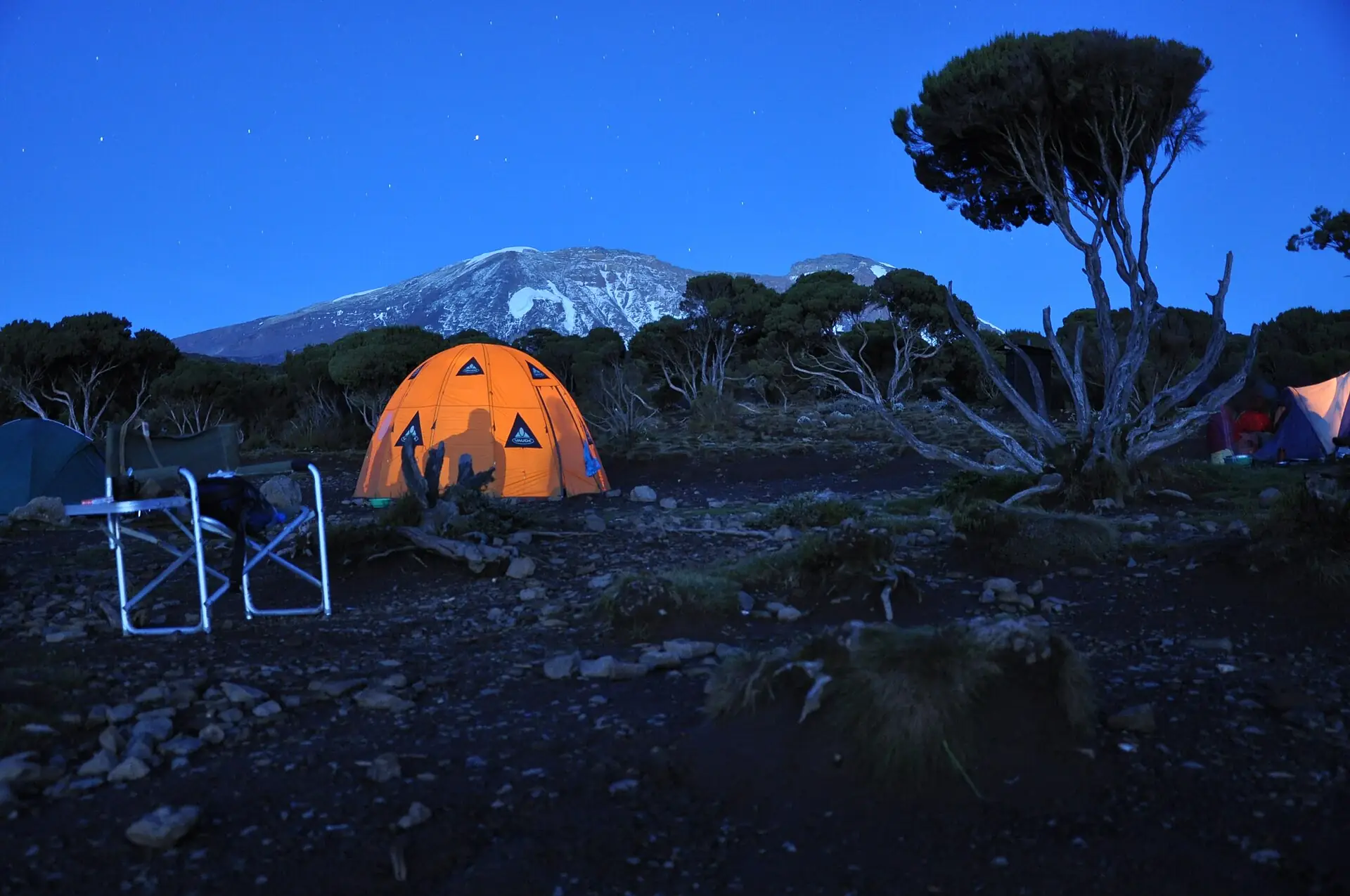 06
Do not assume independent walking or wetland access is permitted. Confirm guide requirements and safety rules.
BEST TIME TO VISIT
A temperate climate, varying with elevation, with a dry season and a wetter period.
Best months for wildlife? Sightings are unpredictable. If you want a specific species, ask park staff about recent observations before booking.
GETTING THERE
Remote, so reaching the park needs advance planning.
WHERE TO STAY
Accommodation needs particular attention for this park.
No listings found. At the time of research the official Tanzania National Parks accommodation page showed no listings. This does not prove nothing exists in the region, but do not assume bookable lodging inside the park.
COST
It depends on fees, transport, accommodation, guiding and activities.
Check the official tariff. Costs may not match those of Serengeti or other northern parks. Get an itemised quotation that states what is included.
HOW LONG TO STAY
It depends on where you travel from and which parts are accessible.
COMBINE
Part of a wider journey through northwestern Tanzania.
First-time safari traveller? Suitable if you enjoy nature and a less-developed destination. If you want a classic safari with extensive tracks and many lodges, start with Serengeti, Tarangire or Ngorongoro.
RESPONSIBLE TRAVEL
Protecting habitats keeps the wildlife that depends on them.
FAQ
Quick answers about Rumanyika-Karagwe National Park.
In Kagera Region in northwestern Tanzania, in the wider Karagwe and Kyerwa area near the borders with Uganda and Rwanda.
The park was gazetted as a national park in 2019.
Official publications differ slightly. Tanzania National Parks material gives approximately 247 square kilometres, while a 2024 statistical bulletin lists 255 square kilometres.
Official descriptions mention buffaloes, sitatunga, waterbuck, leopards, duikers, monkeys, baboons and elephants, alongside birds. Sightings depend on current wildlife distribution and accessible areas.
Its mix of wetlands, rivers, forest patches and woodland makes it potentially rewarding. Confirm current access and ask local staff about suitable habitats.
June to October is the main dry season in official park information. The wetter months bring changing scenery but can affect roads and tracks.
Do not plan a trek without direct confirmation from park authorities. Older official material discusses assessments of whether these species occur, which is not confirmation of a trekking experience.
The official accommodation page showed no listings when checked. Contact park management to verify current facilities and look at accommodation in the surrounding region.
It depends on park entry fees, transport, accommodation, guiding and activities. Consult the current official tariff and request a detailed quotation.
It is worth considering for lesser-known landscapes, wetlands, woodland, birdlife and wildlife. Plan carefully, because access, accommodation and game-viewing infrastructure may be more limited.
PLAN YOUR TRIP
It offers a different side of Tanzania, with winding rivers, swampy valleys, forested hills and tall-grass savannah.
Start by contacting park management, confirming the most practical route and arranging accommodation and transport in advance.
This guide is general travel-planning information. Park fees, operating arrangements and activity availability can change, so verify current details with the Tanzania National Parks Authority and the Safari Best Tanzania team before travel.
Rumanyika-Karagwe National Park is a lesser-known nature destination in Kagera Region with river valleys, wetlands, woodland and varied wildlife. This page explains access, timing and what to check first.
Check current rules, fees and entry requirements with these government and authority pages.
Continue planning with these Safari Best Tanzania guides.
 Burigi-Chato National Park guide
 Game Drives in Tanzania: The Complete Guide
 Tanzania Safari Guide for First-Time Visitors: Everything You Need to Know
 How Much Does a Tanzania Safari Cost in 2026? A Complete Price Guide
 Best Time to Visit Tanzania: A Month-by-Month Guide
 Tanzania Safari Packing List: What to Pack for Your Trip
 Tanzania Visa 2026: Requirements, Fees and How to Apply
 Tanzania Travel Insurance 2026: Cost, Requirements and Coverage
AI-generated from this page. Please confirm the details with us.
Need help planning your safari?Unahitaji msaada?
We are here to answer your questions about parks, prices, best time to visit and your itinerary.
Please confirm important details with Safari Best Tanzania or official sources.

Automatic translation by Google Translate. It can contain errors, so confirm important details with us.