One of the largest parks
About 20,226 square kilometres. Its remote location and varied terrain create a distinctive safari environment.


Elephants, lions & wild dogs
The Complete Tanzania Safari Guide
One of Tanzania’s most impressive wildlife destinations, famous for large elephant herds, powerful lion prides, African wild dogs, ancient baobabs and the Great Ruaha River.
START HERE
Ruaha National Park is one of Tanzania’s most impressive wildlife destinations, famous for its large elephant herds, powerful lion prides, African wild dogs, ancient baobab trees and the Great Ruaha River. Located in south-central Tanzania, it rewards travellers exploring the country’s southern safari circuit.
Unlike the more frequently visited northern destinations, Ruaha combines vast wilderness with a distinctive mix of East African and southern African wildlife. Visitors can explore on game drives, join authorised walking safaris and spend time watching wildlife around seasonal rivers and water sources.
Sightings depend on season, water availability and animal movements. No park can guarantee a particular species.
KEY FACTS
Figures taken from official sources. Authorities can revise them, so confirm the latest details before you travel.
Official sourcesTANAPA park brochure
LOCATION
In south-central Tanzania, west of Iringa town, as part of a much larger ecosystem of woodlands, rivers and protected wildlife areas. It is an important destination of the southern safari circuit alongside Nyerere National Park.
About 20,226 square kilometres. Its remote location and varied terrain create a distinctive safari environment.
The Great Ruaha River and seasonal rivers, open savannah and grassland, extensive miombo woodlands, rocky outcrops and hills, and giant baobab trees.
Reached by road from Iringa or Dar es Salaam, or by flights to airstrips serving different parts of the park.
Ruaha or the north? Ruaha is a stronger choice for wilderness and predators than for the Great Wildebeest Migration, which is a northern Tanzania experience.
WHAT MAKES IT SPECIAL
Large mammals, predators, unusual antelope and a landscape shaped by rivers and baobabs.
Elephants move through woodlands, open plains and river areas. In the dry season wildlife concentrates around remaining water sources, creating rewarding opportunities for observation and photography.
Lions may rest beneath trees, cross the plains or follow buffalo herds. Leopards, cheetahs and spotted hyenas also live here. Predator sightings are never guaranteed.
Endangered, pack-living carnivores that travel long distances. They are not easy to find on every visit: stay several nights and choose an experienced guide if they are a priority.
Woodland species that can be harder to find than elephants or giraffes because they favour particular habitats and may stay concealed among trees.
Defines the park’s ecology. Dry-season pools can attract elephants, hippos, crocodiles, buffalo and other animals, and water levels change through the year.
Giant baobabs rise above the savannah, with rocky outcrops and woodland as a dramatic backdrop. Each game drive can feel different.
WILDLIFE
Ruaha supports a wide range of wildlife, although sightings vary with season, location and time spent exploring.
Can you see the Big Five? Ruaha has elephants, lions, leopards and buffalo, but rhinoceros sightings are not a dependable feature of a typical safari here. If seeing all five is your main priority, discuss realistic expectations and consider a multi-park itinerary. No responsible provider can guarantee every sighting.
BEST TIME TO VISIT
The dry season is generally strongest for conventional big-game viewing, while the greener months can appeal to birdwatchers and landscape photographers.
First-timers: For a first-time visitor mainly interested in elephants, lions and other large mammals, June to October is a strong starting point. Birdwatchers and travellers who prefer greener landscapes may enjoy other months if they plan around seasonal conditions.
THINGS TO DO
Never walk independently in wildlife areas, and follow your guide’s instructions and park rules.
 01
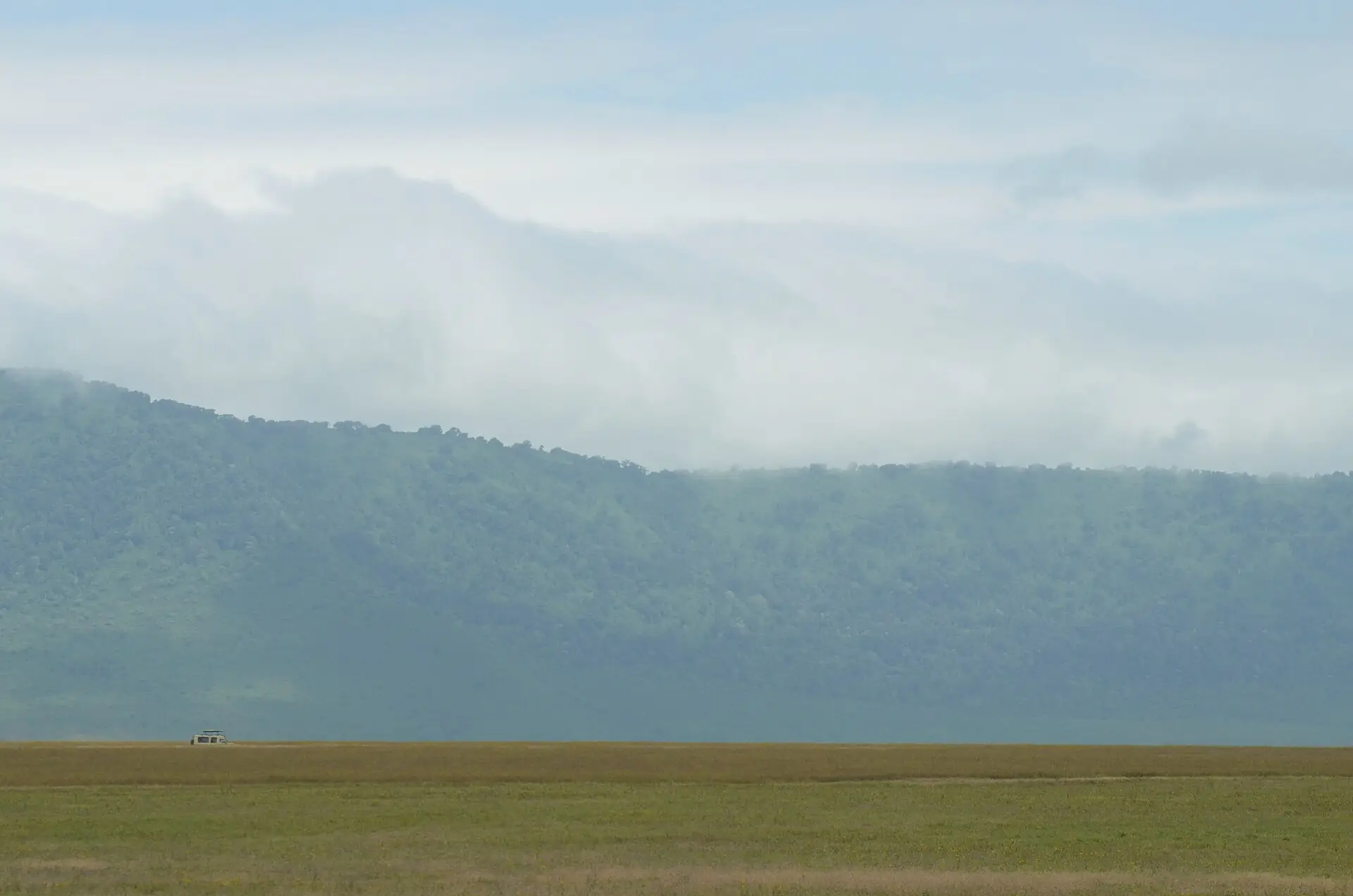
The main way to explore. Early-morning drives are cooler and some animals are more active; afternoon drives offer another chance before sunset. Plan several drives rather than one.
02With an authorised guide or ranger, learn to recognise tracks, identify plants and notice insects. Availability depends on authorised areas, safety conditions and your operator.
 03
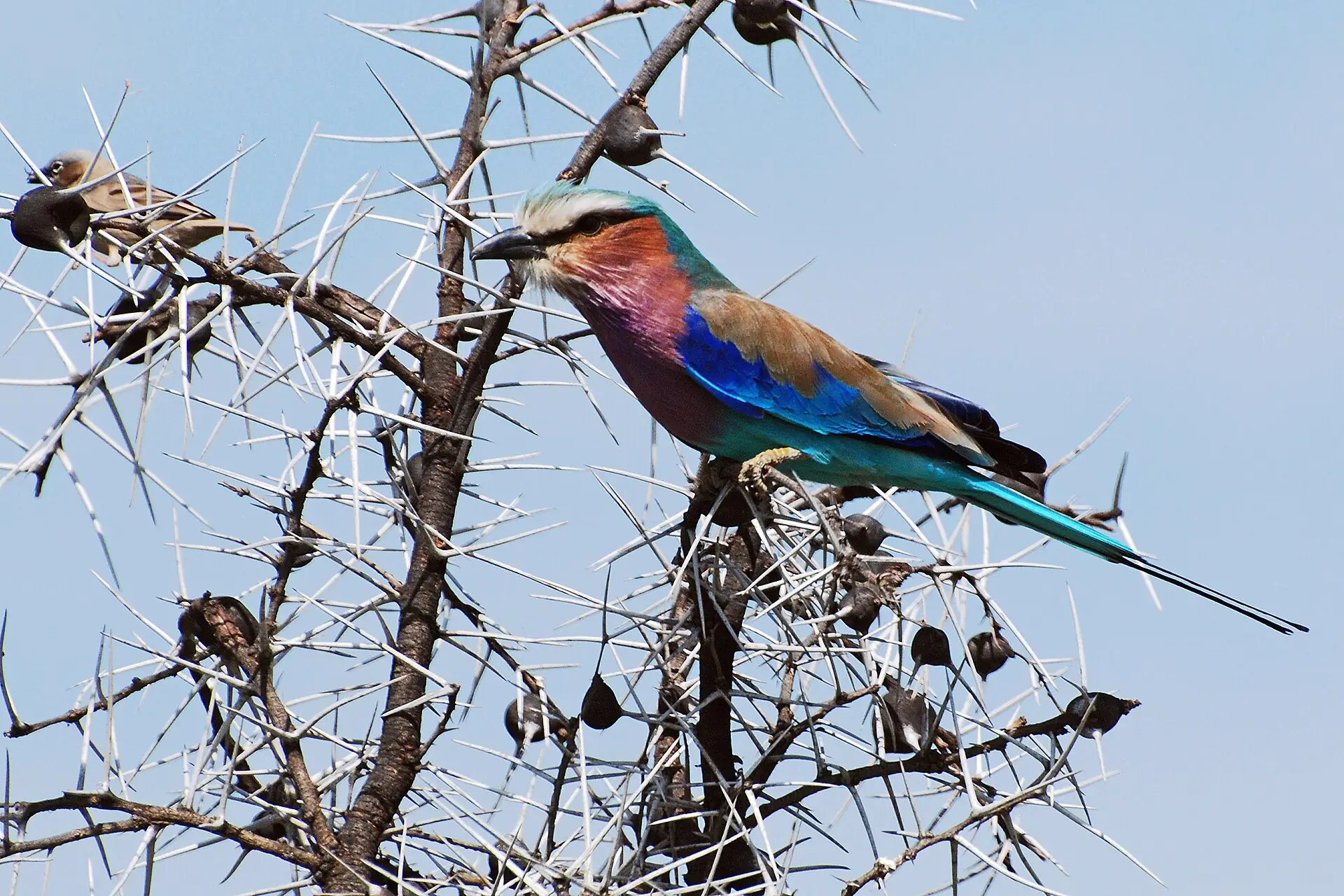
More than 570 bird species recorded, including raptors, kingfishers, bee-eaters, hornbills and water-associated species. The green season can be especially rewarding.
 04
Elephants against baobabs and lions in golden grass. Bring a zoom lens, spare batteries and dust protection, and never disturb wildlife for a photograph.
05May be available through selected camps and authorised arrangements for nocturnal species. Confirm availability with your accommodation before booking.
 06
The remote setting can offer excellent stargazing and, in clear conditions, the Milky Way. Ask your camp about guided stargazing or a safe viewing spot.
HOW LONG TO STAY
Ruaha is large, so the right length of stay depends on your priorities and budget.
A planning target: For travellers making Ruaha the main purpose of their trip, three or more nights is a useful target rather than a strict requirement.
GETTING THERE
Ruaha can be reached by road or by air. Your best option depends on your starting point, holiday length and budget.
SAFARI COST
There is no single price. The total depends on accommodation, transport, season, group size and the activities included.
Avoid comparing only the headline price: A fly-in safari with a luxury tented camp generally costs more than a road-based trip with simpler accommodation, and prices can rise in popular periods. The accommodation location and the time available for game viewing make a big difference. Confirm current fees with Tanzania National Parks and your provider.
WHERE TO STAY
Options include park-managed facilities, campsites, bandas and privately operated lodges or tented camps. The right choice depends on comfort, budget and the activities you want.
COMPARE
Each park offers a different safari experience, so the best choice depends on your priorities.
Choose Ruaha for predators, woodland wildlife and baobabs; Nyerere if a river-based safari is high on your list. With enough time you can combine both.
Serengeti is usually stronger for following the Great Wildebeest Migration; Ruaha shows a different side of Tanzania.
PACK & TRAVEL WELL
Pack for warm days, cooler mornings and evenings, dust in the dry season and possible rain in wetter months.
FAQ
Quick answers about Ruaha National Park.
Yes. Ruaha is an excellent choice for travellers interested in elephants, lions, African wild dogs, unusual antelope species and expansive wilderness landscapes. Game drives and authorised walking activities make it especially appealing to wildlife enthusiasts.
Ruaha is particularly known for its large elephant herds, lion populations, African wild dogs, baobab trees and the Great Ruaha River. Its diverse birdlife is another major attraction.
June to October is generally the strongest period for traditional wildlife viewing. The green season can be rewarding for birdwatching and scenery, but rainfall may affect access and camp operations.
African wild dogs occur in Ruaha, but sightings depend on where the packs are moving and how much time you spend searching. No sighting is guaranteed.
Yes. First-time visitors can enjoy Ruaha with a well-planned itinerary and an experienced guide. The main considerations are travel time, accommodation, length of stay and the activities available.
Two or three nights can provide a worthwhile introduction. Three or more nights offer additional chances to explore different habitats and search for wildlife, while longer stays suit photographers and dedicated wildlife enthusiasts.
Yes, depending on your arrangements and expectations. Compare park facilities, campsites and simpler accommodation with lodge-based packages, and account for transport, park fees, meals and guiding when calculating the total cost.
Ruaha is generally visited year-round, but seasonal rain can affect road conditions, activities and accommodation availability. Confirm access and opening dates for your specific travel period.
Yes. A multi-day Ruaha safari followed by a Zanzibar beach holiday can combine wildlife and relaxation in one trip. Confirm flight connections, baggage rules and transfers before booking.
PLAN YOUR SAFARI
Ruaha National Park offers a distinctive safari experience in southern Tanzania, with large elephants, impressive predators, rare antelope, abundant birdlife and dramatic baobab landscapes.
For many visitors, June to October is the best starting point for a wildlife-focused trip. Staying several nights allows time for multiple game drives and, where available, guided walking activities. Verify accommodation and transport arrangements and confirm current park fees before travelling.
This guide is general travel-planning information. Park fees, operating arrangements and activity availability can change, so verify current details with the Tanzania National Parks Authority and the Safari Best Tanzania team before travel.
Ruaha National Park is famous for large elephant herds, lion prides, African wild dogs and baobab landscapes in south-central Tanzania. This page explains how to visit Ruaha National Park, when to go and what to expect.
Check current rules, fees and entry requirements with these government and authority pages.
Continue planning with these Safari Best Tanzania guides.
 Can You Visit Nyerere National Park from Zanzibar in One Day?
 How Many Days Do You Need for a Tanzania Safari?
 Game Drives in Tanzania: The Complete Guide
 Tanzania Safari Guide for First-Time Visitors: Everything You Need to KnowHow Much Does a Tanzania Safari Cost in 2026? A Complete Price Guide
 Best Time to Visit Tanzania: A Month-by-Month Guide
 Tanzania Safari Packing List: What to Pack for Your Trip
 Tanzania Visa 2026: Requirements, Fees and How to Apply
 Tanzania Travel Insurance 2026: Cost, Requirements and Coverage
AI-generated from this page. Please confirm the details with us.
Need help planning your safari?Unahitaji msaada?
We are here to answer your questions about parks, prices, best time to visit and your itinerary.
Please confirm important details with Safari Best Tanzania or official sources.

Automatic translation by Google Translate. It can contain errors, so confirm important details with us.