Practical for Dar es Salaam
Roughly 280–300 kilometres by road from Dar es Salaam, depending on your destination within the park and the route taken. One of the most practical parks for travellers based in the city.

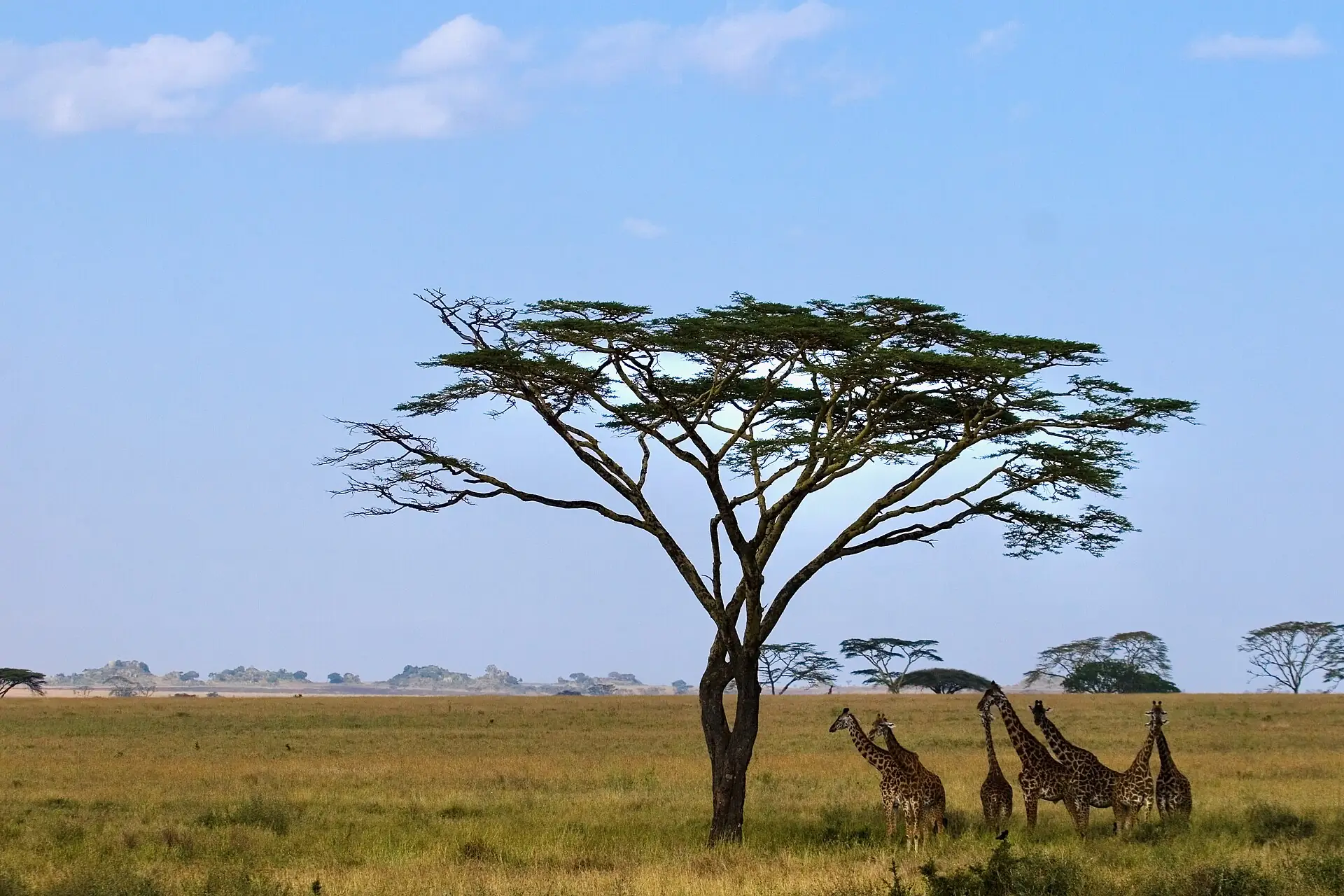
Mkata Floodplain & easy access
The Complete Tanzania Safari Guide
One of Tanzania’s most accessible safari destinations, with elephants, lions, giraffes, zebras and hippos on open grasslands, and a road trip from Dar es Salaam.
START HERE
Mikumi National Park offers opportunities to see elephants, lions, giraffes, zebras, buffalo, hippos and many other animals across open grasslands and woodland. Located in Morogoro Region, it is particularly popular with travellers looking for a safari from Dar es Salaam without taking a domestic flight.
The park is known for the Mkata Floodplain, where open savannah landscapes create rewarding wildlife-viewing opportunities. Visitors can enjoy game drives, birdwatching, photography and selected guided activities in one of southern Tanzania’s important protected areas.
Sightings depend on season, rainfall and animal movements. No park can guarantee a particular species.
KEY FACTS
Figures taken from official sources. Authorities can revise them, so confirm the latest details before you travel.
Official sourcesTANAPA park brochure
LOCATION
In Morogoro Region of southern Tanzania. The main road towards Iringa passes through the wider park area, while designated entrances give access to safari activities.
Roughly 280–300 kilometres by road from Dar es Salaam, depending on your destination within the park and the route taken. One of the most practical parks for travellers based in the city.
Open grasslands and seasonal floodplains, acacia-dotted savannah, miombo woodland, riverine vegetation, waterholes, rocky hills and distant mountain scenery.
Covering about 3,230 square kilometres, the park forms part of a wider ecosystem linking wildlife habitats, river systems, woodlands and protected areas in southern Tanzania.
Arriving by air? Flights may serve an airstrip near Mikumi depending on season, airline and route. For most visitors from Dar es Salaam, road travel is the simplest option.
WHAT MAKES IT SPECIAL
Open plains, large mammals and varied birdlife in a park you can reach by road.
One of Mikumi’s best-known wildlife-viewing areas. Its open grasslands make it easier to scan the landscape, and you may see elephants, buffalo, zebras, wildebeest, giraffes and antelope. Great for photography.
Elephants move through grassland and woodland and visit water sources as conditions change. The park also supports buffalo, giraffes, zebras, wildebeest, eland and other antelope.
Lions may be spotted resting in grass or beneath trees. Leopards are more elusive; African wild dogs have been recorded in the wider ecosystem but should not be expected on a short visit.
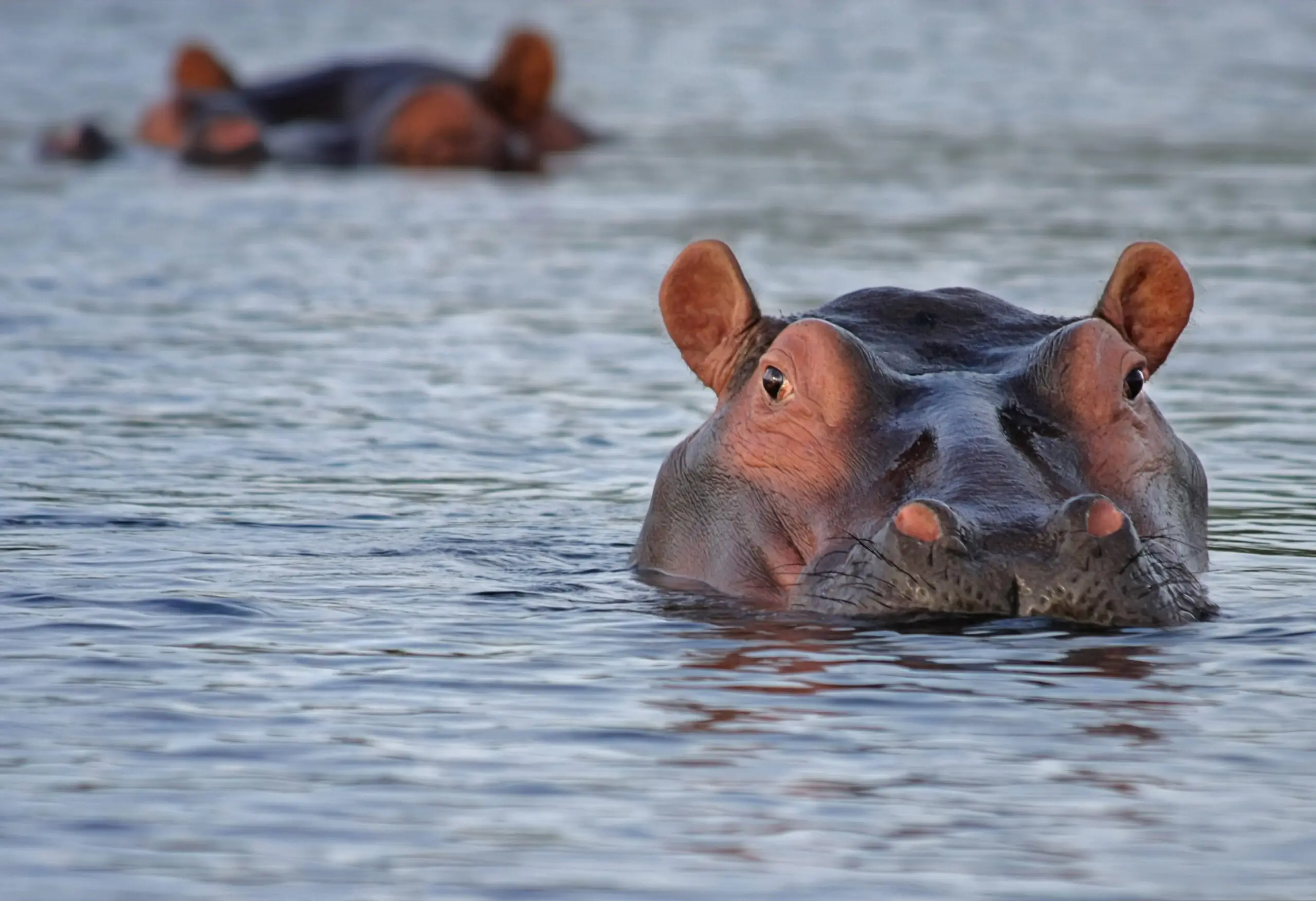
Pools and water bodies hold hippos and crocodiles. Stay in authorised viewing areas and follow your guide’s instructions: both are dangerous even when they appear still.
Depending on habitat and season: greater kudu, sable antelope, roan antelope and Lichtenstein’s hartebeest. Some prefer woodland and are harder to locate.
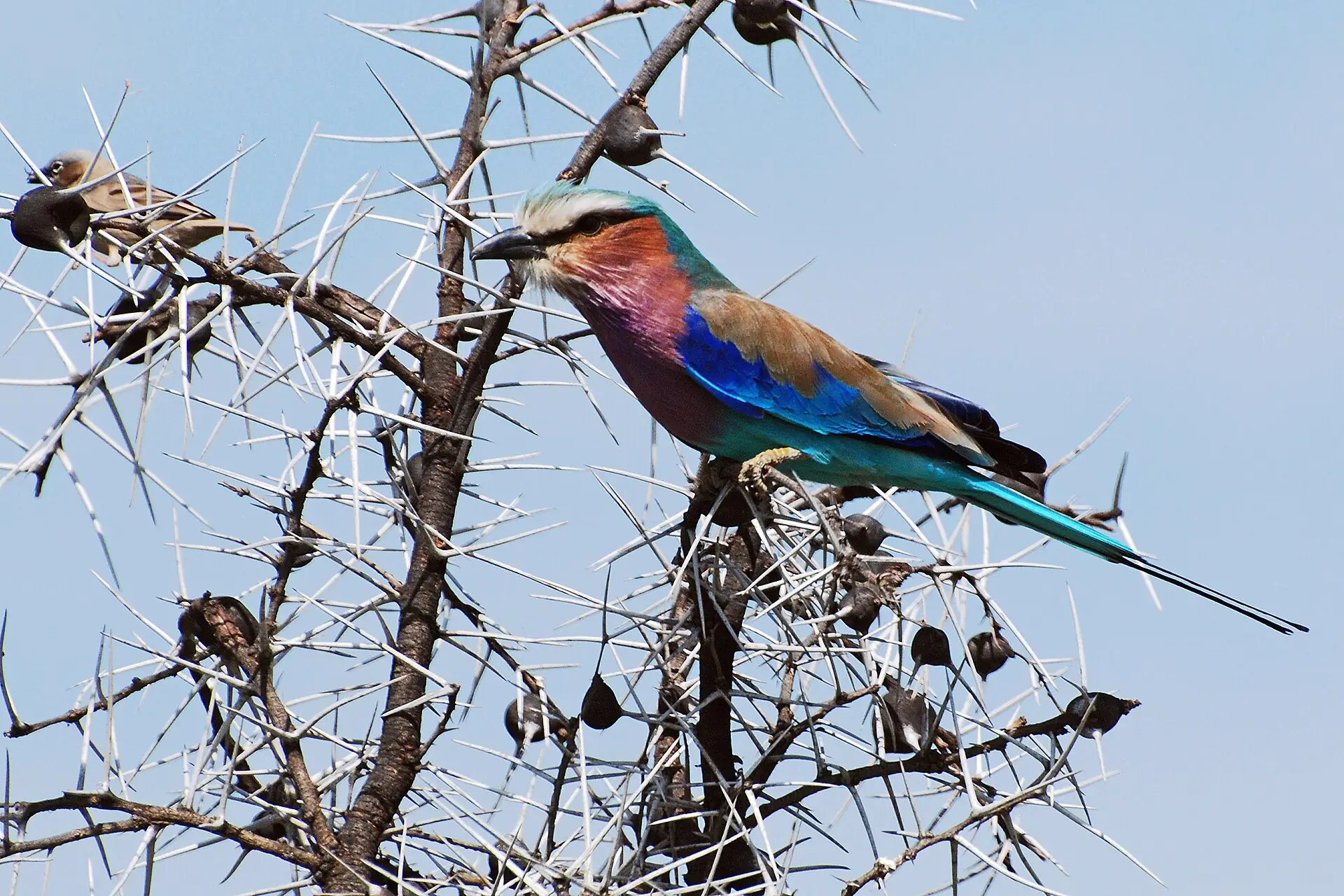
Hundreds of bird species have been recorded: bee-eaters, hornbills, kingfishers, raptors and sunbirds, with migratory species adding variety in the wetter months.
WILDLIFE
The species you encounter depend on the season, location and amount of time spent exploring.
Can you see the Big Five? Mikumi is home to four of the traditional Big Five: elephants, lions, leopards and buffalo. Rhinoceros sightings are not a dependable feature of a typical visit. If seeing all five is a priority, consider a multi-destination itinerary.
BEST TIME TO VISIT
Mikumi can be visited throughout much of the year, but the best time depends on your interests, weather preferences and travel arrangements.
First-timers: For visitors mainly interested in large mammals, June to October is a strong starting point. Birdwatchers and travellers who prefer lush scenery may enjoy other months if seasonal conditions are suitable.
THINGS TO DO
Do not assume every activity is included in a standard package: confirm what is available and whether extra fees apply.
 01
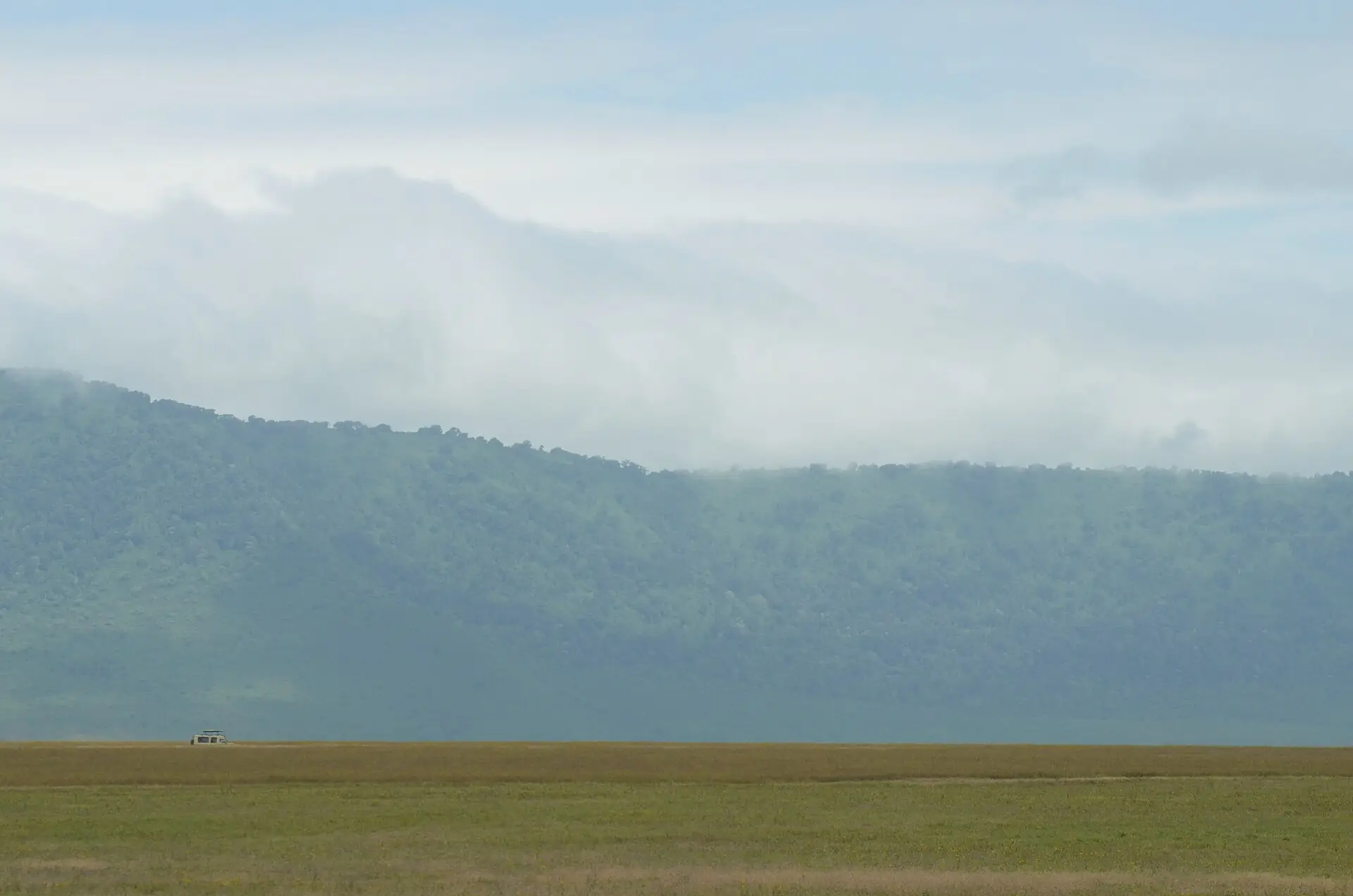
The main activity. Morning drives are cooler and some animals are more active; afternoon drives offer another chance as the heat eases. An overnight stay gives time to explore different areas.
 02
Designated viewing areas add variety and may also attract waterbirds. Use authorised viewing points and follow instructions from your guide or park staff.
 03
Bring binoculars and ask your guide to identify species. The green season can be especially appealing because migratory species may be present.
 04
Open plains and scattered trees make attractive settings. A zoom lens helps you photograph animals from a safe distance; protect equipment from dust and carry spares.
05May be available through authorised arrangements, subject to park regulations and the operator’s facilities. Check suitability for your group.
HOW LONG TO STAY
The right length of stay depends on your starting point, budget and the experience you want.
GETTING THERE
One of Tanzania’s more accessible major safari destinations, especially from Dar es Salaam.
Independent travel? Plan fuel and rest stops carefully. If you book with an operator, confirm the pickup time, expected journey length and whether all transfers are included.
SAFARI COST
The total depends on accommodation, transport, group size, season and activities.
Group or private: A road-based group safari may cost less per person than a private trip, while a luxury lodge or fly-in arrangement generally costs more. Confirm current park fees with Tanzania National Parks and the final price with your provider before booking.
WHERE TO STAY
Options include park-managed facilities, campsites, lodges and privately operated tented camps in and around the park.
COMPARE
All three are in southern Tanzania but suit different kinds of trips. Mikumi is often the most practical for a short break.
Choose Mikumi for convenience and a shorter trip; Ruaha if you have more time and want a larger, more remote wilderness.
With little time Mikumi is more practical; for a boat safari and an extensive river landscape consider Nyerere.
PACK & TRAVEL WELL
Pack for warm weather, strong sunshine and possible dust during the dry season.
FAQ
Quick answers about Mikumi National Park.
Yes. Mikumi is a practical choice for travellers who want a Tanzanian wildlife safari without travelling to the more distant northern parks. Its open plains, large mammals and accessibility from Dar es Salaam make it especially suitable for short breaks and first-time visitors.
Mikumi is known for the Mkata Floodplain, elephants, lions, giraffes, zebras, buffalo, hippos and diverse birdlife. Its accessibility from Dar es Salaam is another major advantage.
June to October is generally favourable for traditional wildlife viewing. The green season can offer attractive scenery and rewarding birdwatching, although rainfall and thicker vegetation can affect visibility and access.
Yes, a day trip from Dar es Salaam can be arranged, but it involves an early start and a long day. An overnight stay usually provides more time and reduces the pressure of travelling back on the same day.
Yes, lions live in Mikumi and sightings are possible during game drives. However, sightings depend on animal movements, habitat and the time spent exploring.
Mikumi has elephants, lions, leopards and buffalo, but rhinoceros sightings are not a dependable part of a typical visit. Travellers who want to see all five should plan a multi-park itinerary.
It can be suitable for families, depending on the child’s age, the accommodation and the length of the journey. Check age policies, vehicle arrangements, meal options and whether the schedule is appropriate for your family.
Yes. The two can be combined in a southern Tanzania trip. Mikumi offers savannah wildlife viewing, while Udzungwa is known for forest hiking, waterfalls and biodiversity. Allow enough time for road transfers and activities in both places.
Neither is universally better. Mikumi is convenient for shorter safaris from Dar es Salaam, while Serengeti is famous for its vast plains and the Great Wildebeest Migration. Your best choice depends on available time, budget and the experience you want.
PLAN YOUR SAFARI
Mikumi National Park is an excellent destination for travellers who want a wildlife safari in Tanzania without a long journey to the northern circuit. Its open floodplains, elephants, lions, giraffes, zebras and birdlife provide plenty of reasons to explore.
For first-time visitors, June to October is generally a strong period for game viewing, and spending at least one night makes the experience more relaxed than a rushed day trip. Before travelling, check what is included in your package and confirm current park fees and accommodation availability.
This guide is general travel-planning information. Park fees, operating arrangements and activity availability can change, so verify current details with the Tanzania National Parks Authority and the Safari Best Tanzania team before travel.
Mikumi National Park is one of Tanzania’s most accessible safari destinations, with open floodplains and large mammals. This page explains how to visit Mikumi National Park, when to go and what to expect.
Check current rules, fees and entry requirements with these government and authority pages.
Continue planning with these Safari Best Tanzania guides.
 Day Trip to Mikumi National Park from Dar es Salaam: Complete Guide
 Can You Visit Mikumi National Park from Zanzibar in One Day?
 Common Mistakes to Avoid When Booking a Mikumi Safari from Zanzibar
 Game Drives in Tanzania: The Complete Guide
 Tanzania Safari Guide for First-Time Visitors: Everything You Need to Know
 How Much Does a Tanzania Safari Cost in 2026? A Complete Price Guide
 Best Time to Visit Tanzania: A Month-by-Month Guide
 Tanzania Safari Packing List: What to Pack for Your Trip
 Tanzania Visa 2026: Requirements, Fees and How to Apply
 Tanzania Travel Insurance 2026: Cost, Requirements and Coverage
AI-generated from this page. Please confirm the details with us.
Need help planning your safari?Unahitaji msaada?
We are here to answer your questions about parks, prices, best time to visit and your itinerary.
Please confirm important details with Safari Best Tanzania or official sources.

Automatic translation by Google Translate. It can contain errors, so confirm important details with us.