A recent national park
Established in 2019 from part of the former Selous Game Reserve, and named after Julius Nyerere, Tanzania’s first president.

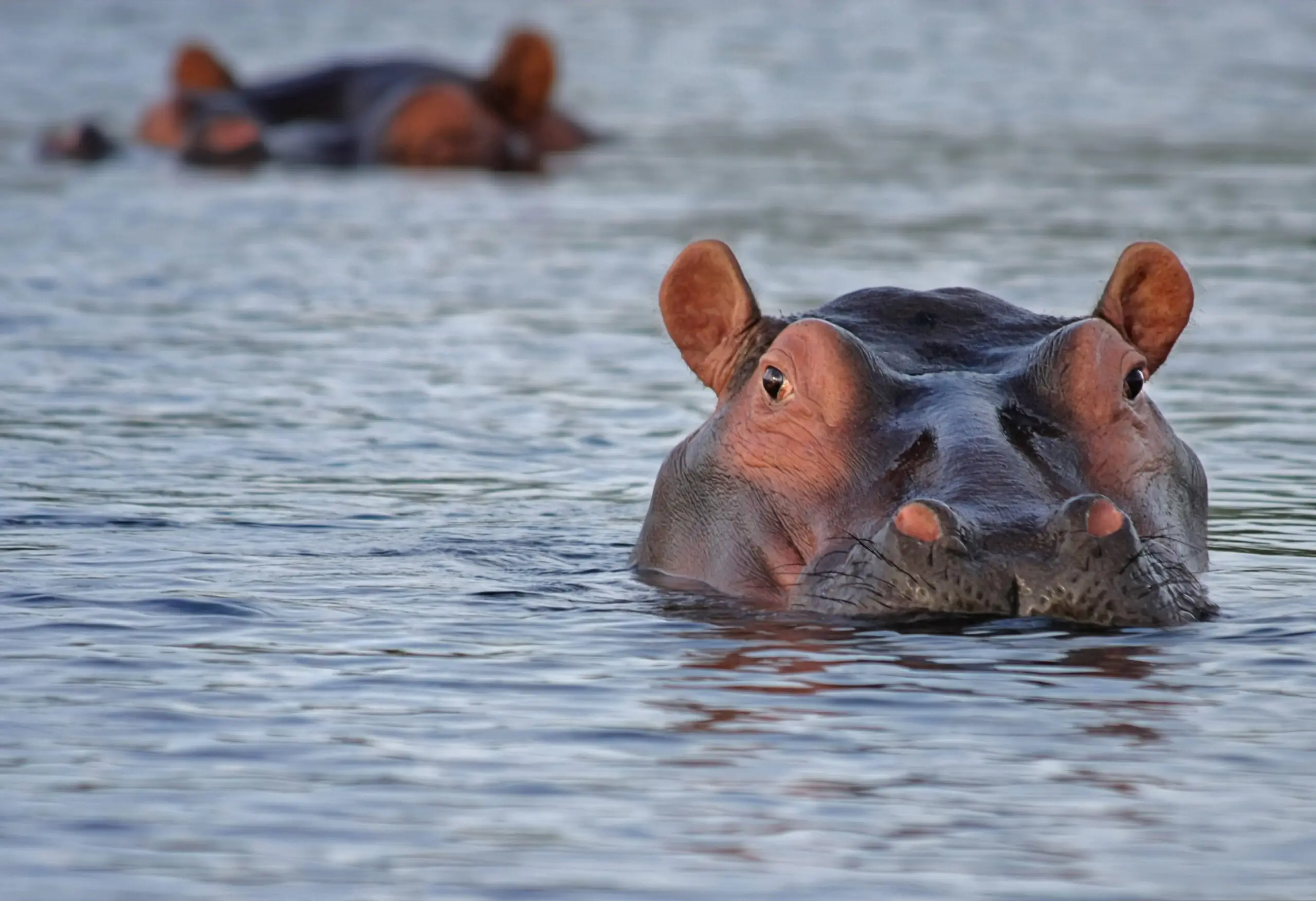
Rufiji River & boat safaris
The Complete Tanzania Safari Guide
One of Tanzania’s most remarkable safari destinations, known for the Rufiji River, boat safaris, walking safaris and elephants, lions, hippos, crocodiles and endangered African wild dogs.
START HERE
Nyerere National Park is one of Tanzania’s most remarkable safari destinations, known for its vast wilderness, the Rufiji River, boat safaris, walking safaris and opportunities to see elephants, lions, hippos, crocodiles and endangered African wild dogs.
Located in southern Tanzania, it offers a different experience from the northern circuit of Serengeti, Ngorongoro and Tarangire. Instead of only traditional game drives, you can explore river channels, lakes, floodplains and woodlands through several types of safari activity. It suits a wildlife holiday from Dar es Salaam, a safari combined with Zanzibar, or a quieter alternative to Tanzania’s busiest parks.
Sightings depend on season, water levels and animal movements. No park can guarantee a particular species.
KEY FACTS
Figures taken from official sources. Authorities can revise them, so confirm the latest details before you travel.
Official sourcesTANAPA park brochure
LOCATION
In southern Tanzania. Unlike the northern parks, often visited as a multi-park road circuit, Nyerere is frequently explored through a fly-in safari or a dedicated trip from the coast.
Established in 2019 from part of the former Selous Game Reserve, and named after Julius Nyerere, Tanzania’s first president.
Characterised by the Rufiji River system, seasonal floodplains, miombo woodlands, grasslands and riverine habitats supporting wildlife and birds.
Particularly attractive to travellers exploring southern Tanzania or planning a safari from Dar es Salaam or Zanzibar.
Not the same as Selous: The wider Selous ecosystem includes areas with different management and tourism arrangements, so check which area a safari package actually visits.
WHAT MAKES IT SPECIAL
The variety of ways visitors can experience its wildlife and landscapes.
A different perspective from a vehicle. Depending on location, season and water levels you may see hippos, crocodiles, waterbirds and elephants near the banks. Routes and access to some lakes change with water levels.
One of Tanzania’s important strongholds for these endangered pack-living carnivores. Sightings are never guaranteed, and spending more than one day gives better chances.
Elephants, buffalo, giraffes, zebras, lions, leopards, hippos, crocodiles and several antelope species. The dry season often improves visibility, though some species may be difficult to find.
Not simply open savannah: riverine forests, woodlands, grasslands, floodplains, lakes and channels, which also create varied photography settings.
Appeals to travellers seeking wilderness away from the busiest northern areas. Visitor numbers vary by season, location and camp, and some areas are busier than others.
WILDLIFE
Wildlife sightings depend on season, location, weather and the time spent exploring the park.
Can you see the Big Five? Nyerere has lions, leopards, elephants and buffalo. Rhinoceros sightings are not a dependable feature of a typical visit, so travellers whose main goal is to see all five should set realistic expectations. Do not expect every animal on a checklist to appear during a single visit.
BEST TIME TO VISIT
The best time depends on whether you prioritise wildlife visibility, green landscapes, birdwatching or boat trips.
First-timers: For most first-time visitors focused on big-game viewing, June to October is a strong starting point. For birdwatching and greener scenery, other months can be attractive if the logistics work.
THINGS TO DO
There is more than one way to explore Nyerere; your activities depend on your stay, accommodation and the season.
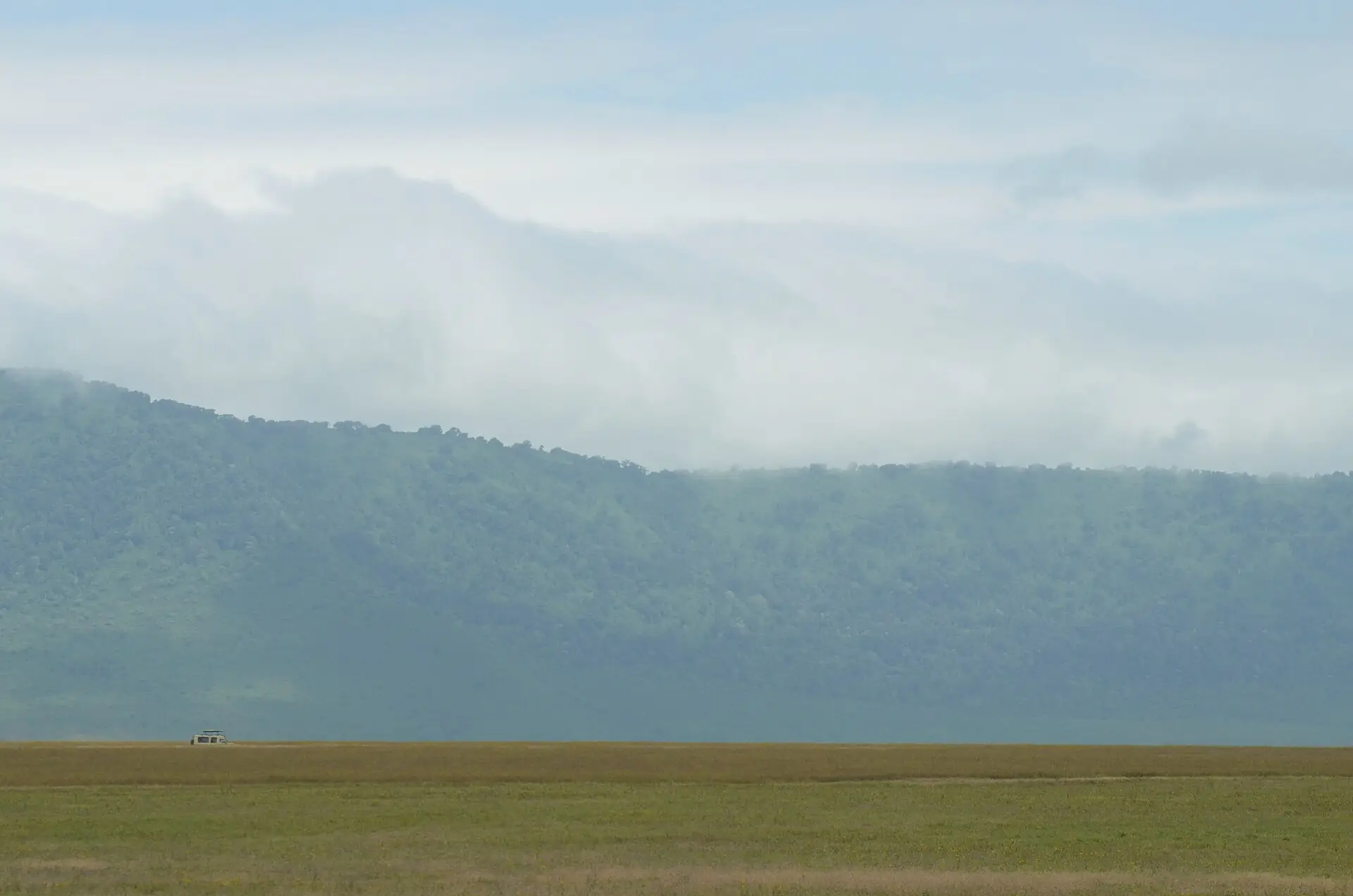 01
A central part of a safari. An experienced guide helps you search for predators, elephants, giraffes, zebras and other wildlife. Early morning and late afternoon drives are often productive.
 02
Observe hippos, crocodiles and birds from the water, and sometimes elephants and other wildlife along the banks. Rewarding for photographers and anyone interested in river scenery.
03Explore tracks, plants, insects and signs of wildlife with authorised guides or rangers. Availability depends on park regulations, the area and the operator.
 04
Look for fish eagles, kingfishers, bee-eaters, herons and other waterbirds. Migratory species add seasonal variety.
05May be available through approved operators in permitted areas for nocturnal animals. Ask whether they are permitted and included.
HOW LONG TO STAY
The ideal length of stay depends on your budget and how many activities you want to experience.
GETTING THERE
There are two main approaches: travel by road or fly to a suitable airstrip.
Safari plus beach: A safari followed by Zanzibar is one of the most appealing ways to experience Tanzania. Compare flight connections, luggage limits, transfer times and accommodation, and avoid too little time between separate bookings, especially before an international flight.
SAFARI COST
The price varies by accommodation, travel season, transport, group size and the activities included.
Compare carefully: Two packages with similar advertised prices may cover very different services. Confirm current fees with Tanzania National Parks and the final cost with your provider before paying.
WHERE TO STAY
Accommodation ranges from simpler camps to high-end safari lodges and tented camps. Your choice affects comfort, cost and how easily you reach activities.
COMPARE
Both parks offer memorable wildlife, but they suit different travel priorities. Some travellers with enough time and budget choose both.
Choose Nyerere for river-based viewing and a southern experience; Serengeti if the Great Wildebeest Migration or the northern circuit is the priority.
PACK & TRAVEL WELL
Pack for warm days, cooler mornings and evenings, dust in dry periods and possible rain depending on the season.
FAQ
Quick answers about Nyerere National Park.
Yes. Nyerere is particularly appealing to travellers interested in diverse wildlife, boat safaris, guided walking activities and the landscapes of southern Tanzania. It is a strong alternative or addition to the northern safari circuit.
The park is especially known for the Rufiji River, boat safaris, large mammals and opportunities to search for endangered African wild dogs.
Nyerere has lions, leopards, elephants and buffalo. Rhinoceros sightings are not a dependable feature of a typical visit, so travellers whose main goal is to see all five should set realistic expectations.
Yes. It can be an excellent first safari destination, especially for travellers who want a mix of game drives and river-based activities. A knowledgeable guide and a well-planned itinerary make a significant difference.
Safaris are organised under park rules and professional guiding arrangements, but wildlife areas carry inherent risks. Follow your guide’s instructions, remain in authorised areas and do not approach animals independently.
Guided walking safaris may be available through authorised arrangements. Confirm the rules, permits, guide arrangements and availability for your selected camp and dates.
No. Nyerere National Park was established from part of the former Selous Game Reserve in 2019. The wider Selous ecosystem includes areas with different management and tourism arrangements, so check which area a safari package actually visits.
June to October is generally favourable for traditional game viewing because vegetation thins and wildlife often gathers around permanent water. The best month for you depends on weather, activities, camp opening dates and the wildlife you hope to see.
PLAN YOUR SAFARI
Nyerere National Park offers a distinctive Tanzania safari shaped by the Rufiji River, diverse habitats and a wide range of wildlife. Boat safaris, game drives and authorised walking activities make it attractive to travellers who want to explore nature in more than one way.
For many first-time visitors, two or three days is a useful starting point, especially when combining game drives with a boat trip. June to October is generally strong for wildlife viewing, though other seasons can reward visitors with greener scenery and excellent birdwatching. Check transport and accommodation details and confirm which activities are included before booking.
This guide is general travel-planning information. Park fees, operating arrangements and activity availability can change, so verify current details with the Tanzania National Parks Authority and the Safari Best Tanzania team before travel.
Nyerere National Park is a southern Tanzania safari destination shaped by the Rufiji River, with boat safaris, game drives and walking safaris. This page explains how to visit Nyerere National Park, when to go and what to expect.
Check current rules, fees and entry requirements with these government and authority pages.
Continue planning with these Safari Best Tanzania guides.
 Can You Visit Nyerere National Park from Zanzibar in One Day?
 How Many Days Do You Need for a Tanzania Safari?
 Game Drives in Tanzania: The Complete Guide
 Tanzania Safari Guide for First-Time Visitors: Everything You Need to KnowHow Much Does a Tanzania Safari Cost in 2026? A Complete Price Guide
 Best Time to Visit Tanzania: A Month-by-Month Guide
 Tanzania Safari Packing List: What to Pack for Your Trip
 Tanzania Visa 2026: Requirements, Fees and How to Apply
 Tanzania Travel Insurance 2026: Cost, Requirements and Coverage
AI-generated from this page. Please confirm the details with us.
Need help planning your safari?Unahitaji msaada?
We are here to answer your questions about parks, prices, best time to visit and your itinerary.
Please confirm important details with Safari Best Tanzania or official sources.

Automatic translation by Google Translate. It can contain errors, so confirm important details with us.