Varied landscapes
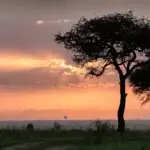
About 552 square kilometres of montane forest, open grassland, crater landscapes, wetlands and alkaline lakes, supporting different wildlife in a single visit.

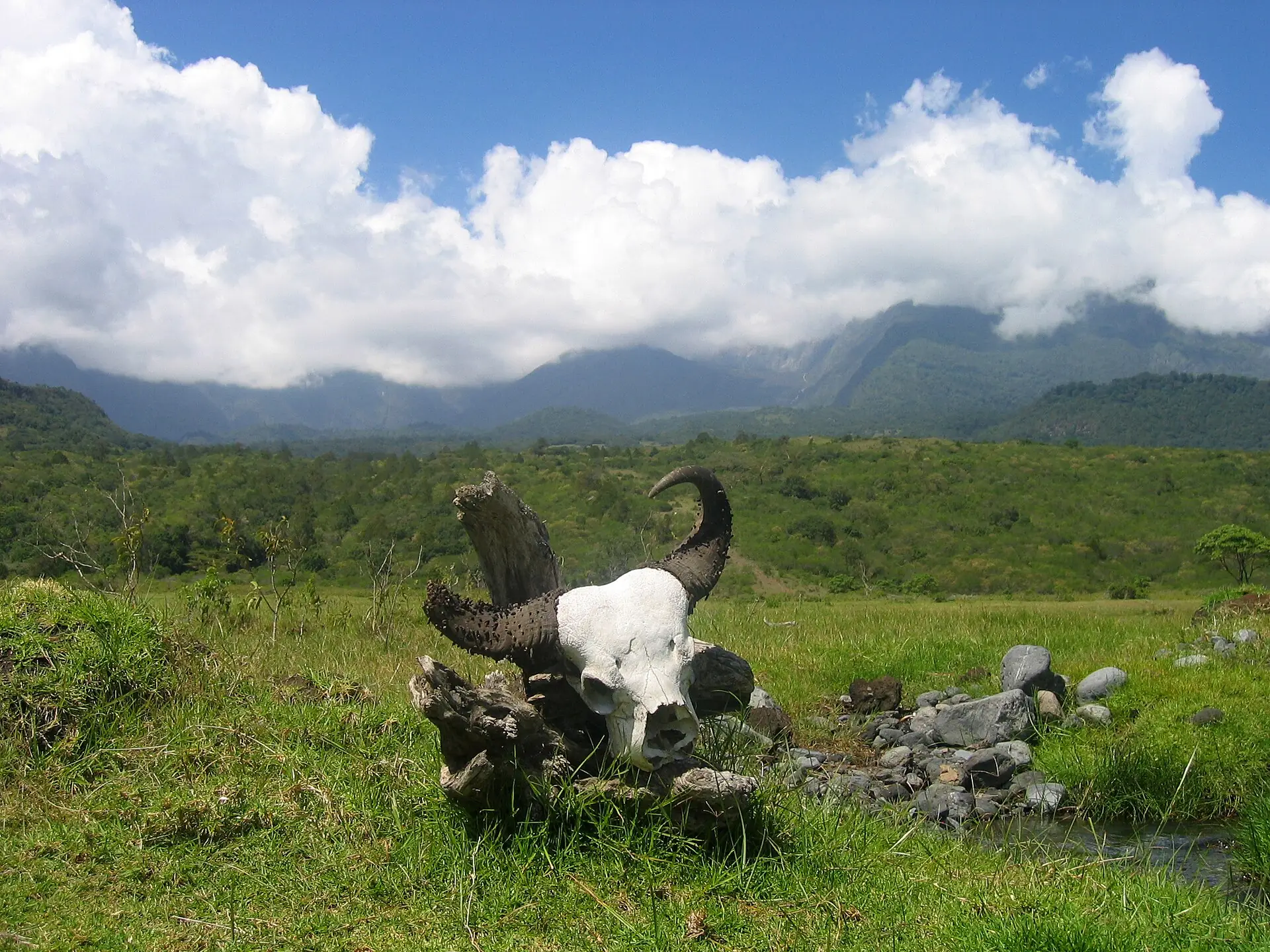
Mount Meru & Momella Lakes
The Complete Tanzania Safari Guide
One of northern Tanzania’s most accessible parks, combining Mount Meru, the Momella Lakes, forest trails, walking safaris and wildlife just outside Arusha city.
START HERE
Arusha National Park is one of the most accessible national parks in northern Tanzania, offering wildlife, volcanic landscapes, mountain scenery, lakes and forest trails. Located close to Arusha city, it suits travellers who want to experience Tanzania’s natural beauty without a long journey into the Serengeti or other distant safari destinations.
Unlike parks known mainly for extensive savannah game drives, it offers guided walking safaris, canoeing on the Momella Lakes, birdwatching and climbing Mount Meru. Its diverse landscapes appeal to photographers, nature enthusiasts, hikers and visitors planning their first northern Tanzania safari.
Sightings depend on season, weather and the areas visited. No park can guarantee a particular species or a clear view of Mount Kilimanjaro.
KEY FACTS
Figures taken from official sources. Authorities can revise them, so confirm the latest details before you travel.
Official sourcesTANAPA Quick Reference Guide
LOCATION
In northern Tanzania, near Arusha city and the slopes of Mount Meru, as part of the northern tourism circuit with Serengeti, Ngorongoro, Tarangire and Lake Manyara.
About 552 square kilometres of montane forest, open grassland, crater landscapes, wetlands and alkaline lakes, supporting different wildlife in a single visit.
The mountain dominates the scenery, and views of Mount Kilimanjaro may be visible in suitable weather conditions.
Convenient for visitors arriving in Arusha, staying around Usa River, or looking for a nature experience before or after a longer safari.
Short on time? Because the park is close to Arusha city, it fits a short visit more easily than distant destinations and makes a gentle introduction to Tanzania’s wildlife and landscapes.
WHY VISIT
Several reasons make this park worth considering, especially for a first northern Tanzania trip.
Forest, grassland, wetlands, lakes and volcanic terrain create varied scenery and different wildlife opportunities during a single visit.
Explore on foot with an authorised guide and the ranger arrangements required by the park, learning about animal tracks, plants and bird calls.
Rising to approximately 4,566 metres, Tanzania’s second-highest mountain offers forested slopes, crater scenery and high-altitude landscapes.
Known for changing colours and birdlife. Depending on conditions, you may see flamingos, pelicans and other waterbirds.
Close to Arusha city, so it suits travellers with limited time or those who want a gentler introduction to Tanzania.
ATTRACTIONS
Access to particular trails or viewpoints can depend on park rules and current conditions, so confirm what is available when arranging your visit.
The park’s defining landmark. Climbing is a multi-day undertaking (usually three to four days) that needs the right permissions, mountain huts, guides and ranger support. It is also a popular acclimatisation climb before Kilimanjaro, though it does not guarantee successful acclimatisation.
A group of lakes known for their scenic setting and varied waterbirds. Flamingo numbers and visibility change with water conditions and season. Canoeing is available on Small Momella Lake by prior arrangement.
A volcanic crater surrounded by forested slopes, with a green floor that contrasts with the open grasslands. Designated viewpoints offer photography and landscape observation.
A forest attraction with a scenic gorge. A guided walk can be rewarding for visitors who want more than a vehicle-based safari. Trail conditions may vary after rain.
“Little Serengeti” is an open grassland where zebras, giraffes, buffaloes, warthogs and waterbucks may be seen. Sightings are never guaranteed.
A distinctive landmark where intertwined fig trees form an arch-like opening, and a popular photography stop during some park drives.
WILDLIFE
The park supports a variety of mammals and birds across its habitats. What you see depends on the season, the route and the time you spend.
Can you see the Big Five? Arusha National Park is not the best choice if seeing all the Big Five is your main goal. Some of these animals are absent, uncommon or hard to observe here. For classic large-mammal sightings, travellers often combine it with Serengeti, Ngorongoro and Tarangire. The park also has a rich bird community, including waterbirds, forest species and birds of prey.
BEST TIME TO VISIT
The park can be visited all year, but the experience changes with rainfall, vegetation and visibility.
Overall: June to October is a strong choice for generally drier conditions, while the greener months may appeal to visitors who value scenery and birdlife. No single month guarantees the best wildlife sightings or clear mountain views.
THINGS TO DO
Always follow your guide’s and ranger’s instructions and the park rules.
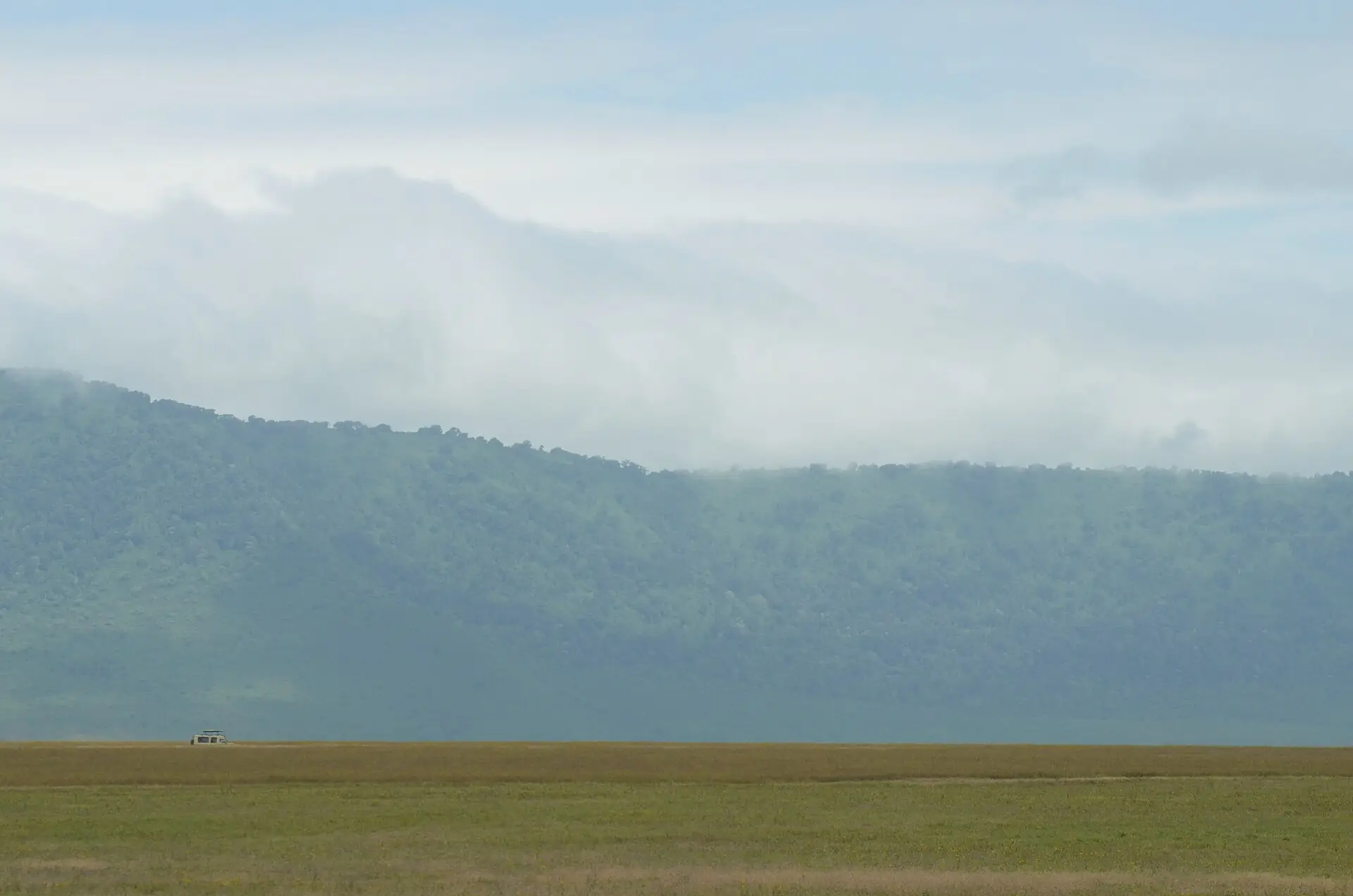 01
A practical way to explore different habitats: open grassland, forested sections, lake viewpoints and crater scenery. Suitable for visitors with limited time.
02With the required guide and ranger arrangements, explore selected areas on foot. Wear comfortable shoes, bring water and follow instructions carefully.
 03
A peaceful alternative to a game drive, good for birdwatchers and photographers. Confirm availability, duration, equipment and safety requirements in advance.
 04
Forest, grassland and lake habitats attract flamingos, waterbirds, forest species and birds of prey. Bring binoculars and consider a guide who can identify species.
 05
A multi-day trek through several vegetation zones that needs physical preparation, suitable equipment and compliance with park regulations. Check the latest requirements.
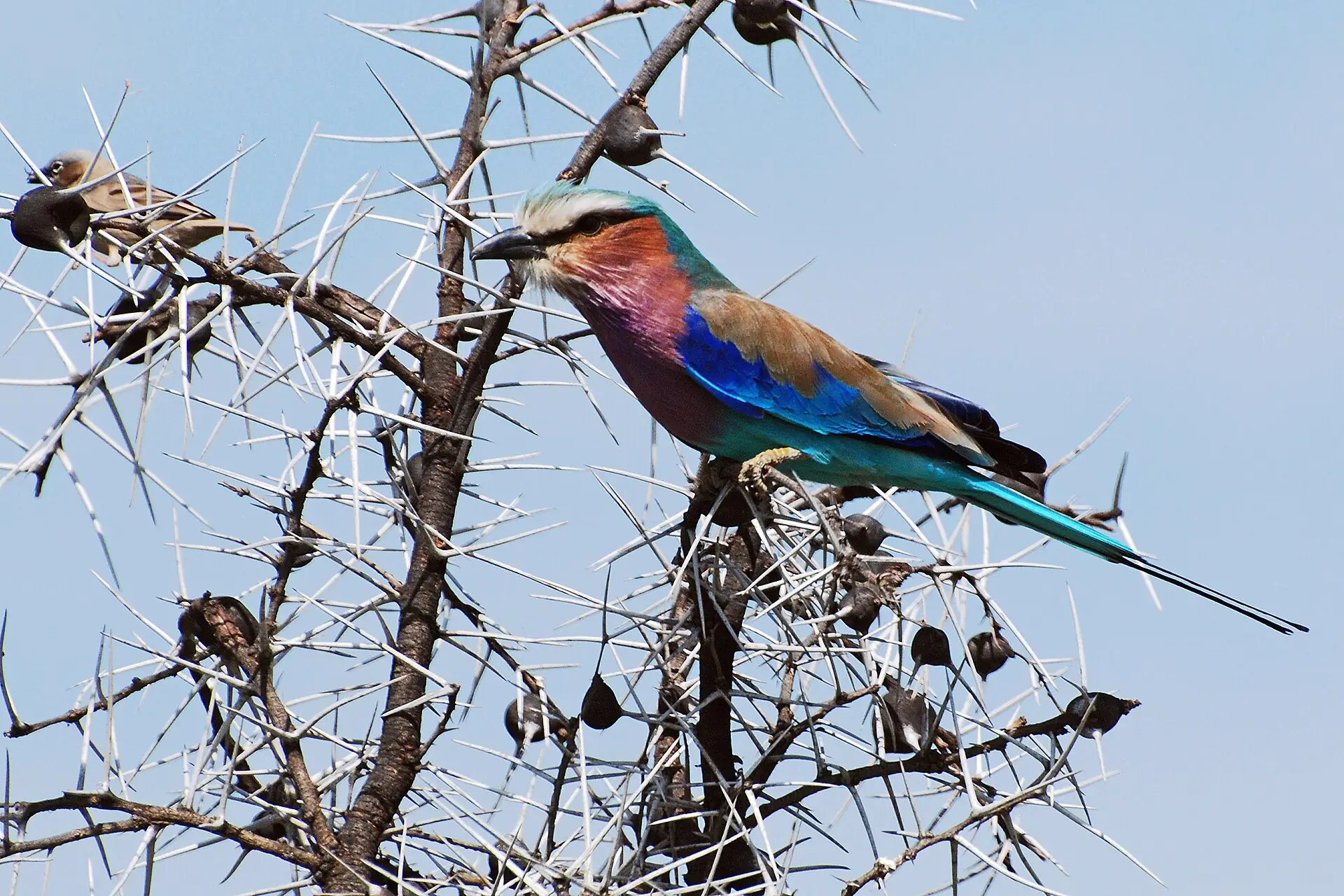 06
Mountain scenery, crater viewpoints, forest, lakes and wildlife make the park rewarding. Early morning and late afternoon light can be attractive; protect equipment if rain is possible.
HOW LONG TO STAY
The ideal length of stay depends on your interests.
Day trip from Arusha? Yes. Its proximity makes it one of the most practical national parks for a day trip from town. Confirm departure time, transport, park fees, activities, meals and expected return time before booking. A day trip will not give the same experience as a multi-day Mount Meru trek.
GETTING THERE
Travel time depends on your starting point, the gate you use, traffic and road conditions.
SAFARI COST
There is no single price that applies to every traveller. The cost depends on the type of visit and what is included.
Checking current fees: Check the latest Tanzania National Parks fee schedule rather than relying on an old quotation. Ask for a written breakdown of inclusions and exclusions, because a low advertised price may not cover every activity, meal, transfer or fee.
WHERE TO STAY
Accommodation options include lodges, tented camps, hotels around Arusha and Usa River, and designated campsites subject to park rules and availability.
COMPARE
Each park offers a different experience, so the best choice depends on your priorities. For many travellers, Arusha works best as a complementary experience within a wider northern Tanzania trip.
Both Arusha and Lake Manyara offer varied habitats and birdlife.
PACK & TRAVEL WELL
For a day visit, light and comfortable is enough; Mount Meru needs a specialised trekking kit.
FAQ
Quick answers about Arusha National Park.
Yes. It is particularly worthwhile for travellers who enjoy scenic landscapes, mountain views, forest wildlife, birdwatching, walking safaris and canoeing. It is also convenient for visitors staying in Arusha.
Yes. A day trip is practical for a game drive and selected attractions. However, climbing Mount Meru requires a separate multi-day plan.
Possible sightings include giraffes, buffaloes, zebras, warthogs, waterbucks, monkeys, baboons and hippos. Leopard sightings are less predictable, and wildlife encounters are never guaranteed.
Mount Kilimanjaro may be visible in suitable weather conditions, but cloud cover can obscure it. Clear views are not guaranteed.
It can be suitable for fit and well-prepared hikers with the required guides, support and itinerary. However, it is a high-altitude climb and should not be treated as an easy walk. Preparation and an honest assessment of fitness are important.
Yes, guided walking activities are available under park rules. Visitors must follow the required guide and ranger arrangements and use authorised routes.
Canoeing may be arranged on Small Momella Lake. Confirm availability, safety arrangements and costs before your visit.
It can be a good option for families interested in wildlife and nature. Suitability depends on children’s ages, park rules and the operator’s requirements, so confirm age restrictions before booking walking activities or canoeing.
June to October is generally favourable for drier conditions, while greener periods can offer attractive scenery and birdwatching. Weather and wildlife sightings vary, so choose according to your preferred activities.
Yes. It can be combined with Tarangire, Lake Manyara, Ngorongoro and Serengeti as part of a northern Tanzania trip. The best combination depends on your time, budget and wildlife priorities.
PLAN YOUR SAFARI
Arusha National Park offers a different perspective on Tanzania’s wildlife and landscapes. Mount Meru, the Momella Lakes, Ngurdoto Crater, forest trails and wildlife make it more than a conventional game drive.
It suits travellers with limited time in northern Tanzania, those who enjoy outdoor activities, and anyone who wants to combine wildlife viewing with walking and mountain scenery. If your main goal is the Great Migration or classic savannah wildlife, combine it with other parks rather than treating it as a substitute.
This guide is general travel-planning information. Park fees, operating arrangements and activity availability can change, so verify current details with the Tanzania National Parks Authority and the Safari Best Tanzania team before travel.
Arusha National Park offers mountain scenery, lakes, forest wildlife and guided walking safaris close to Arusha city. This page explains how to visit Arusha National Park, when to go and what to expect.
Check current rules, fees and entry requirements with these government and authority pages.
Continue planning with these Safari Best Tanzania guides.
 How to Combine Ngorongoro Crater with Tarangire and Serengeti
 Kilimanjaro Trekking 2026: Routes, Costs and the Complete Climbing GuideGame Drives in Tanzania: The Complete Guide
 Tanzania Safari Guide for First-Time Visitors: Everything You Need to Know
 How Much Does a Tanzania Safari Cost in 2026? A Complete Price Guide
 Best Time to Visit Tanzania: A Month-by-Month Guide
 Tanzania Safari Packing List: What to Pack for Your Trip
 Tanzania Visa 2026: Requirements, Fees and How to Apply
 Tanzania Travel Insurance 2026: Cost, Requirements and Coverage
AI-generated from this page. Please confirm the details with us.
Need help planning your safari?Unahitaji msaada?
We are here to answer your questions about parks, prices, best time to visit and your itinerary.
Please confirm important details with Safari Best Tanzania or official sources.

Automatic translation by Google Translate. It can contain errors, so confirm important details with us.